
Pruning
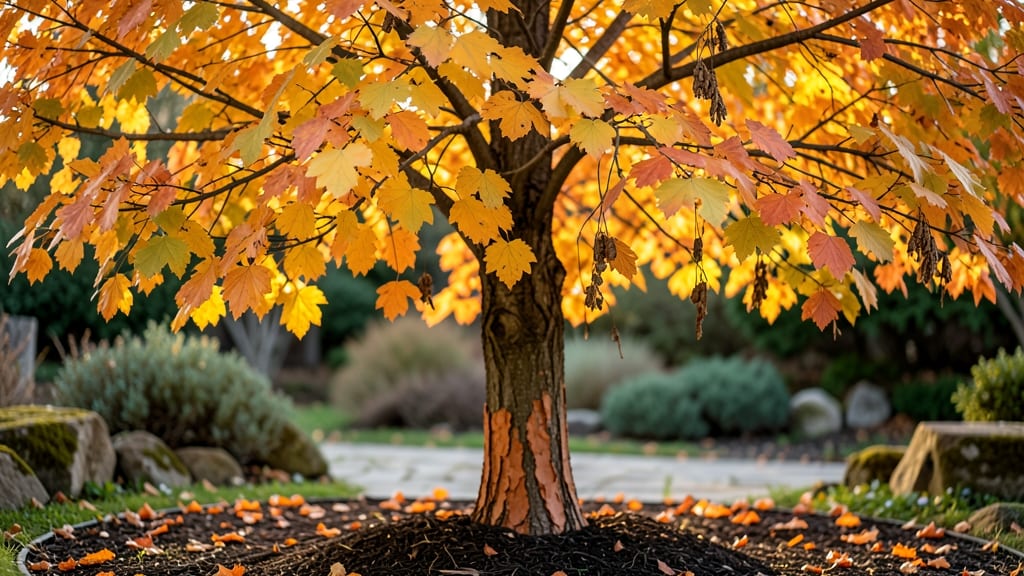
Winter pruning your katsura tree (Cercidiphyllum japonicum) isn't just about shaping—it's about setting the stage for next year's shockingly lush foliage and fragrant blooms. ✂️ I learned the hard way that cutting too late or too aggressively can stress these delicate trees, leaving them vulnerable to winter burn or weak spring growth.
The key is timing: prune in late winter (February to early March) when the tree is dormant but before new growth begins.
Start by removing any dead, diseased, or crossing branches first—these are easy to spot against the bare winter skeleton. Then, thin out the canopy by up to 25% to improve airflow, which prevents fungal issues that thrive in damp winter conditions.
The goal is to open up the tree's structure so sunlight can reach all the way to the inner branches, encouraging even growth when spring arrives.
After pruning, focus on protecting the tree from harsh winter winds and frost. Apply a 3-4 inch layer of mulch around the base (but keep it a few inches away from the trunk) to insulate the roots.
Water deeply before the ground freezes to give the tree moisture reserves for early spring. You'll see the difference next summer in the tree's vibrant green leaves and that signature honey-scented foliage.
For colder climates (Zone 5 and below), consider wrapping the trunk with tree guard or burlap to prevent sunscald. And here's a pro tip: avoid heavy pruning in years with late frosts—wait until you're sure the worst is over.
With these adjustments, your katsura will bounce back stronger than ever, ready to put on its best spring show.
📚 In This Guide
- What you need
- Instructions
- Tips and common mistakes
- Wrapping up and next steps
What you need
- ○ Pruning shears: Bypass pruners (sharp, 6-8" blades) for small branches (¼"–1"). Anvil pruners (for thicker cuts) are optional but handy.
- ● Loppers: Bypass loppers (18-24" handles) for branches 1"–2". Choose ratchet-style for extra leverage.
- ● Pruning saw: Pruning saw (8-10" curved blade) for branches >2". Bow saw or folding saw works too.
- ● Gloves: Heavy-duty gardening gloves (cut-resistant, waterproof) to protect hands from thorns and sap.
- ● Disinfectant: 70% isopropyl alcohol or rubbing alcohol (in a spray bottle) to sterilize tools between cuts.
- ○ Pruning sealant: Tree wound dressing (optional but recommended for cuts >½"). Look for latex-based or asphalt-based products.
- ● Ladder: Extension ladder (20–30 ft, non-slip feet) if branches are high. Step ladder for shorter trees.
- ● Safety gear: Safety goggles (to shield eyes from debris).
- ● Long sleeves/pants (lightweight, breathable fabric).
- ● Closed-toe shoes (steel-toe boots if working near power lines).
- ● Weather check: Prune on a dry, calm day (avoid frost or wind). Ideal temps: 40–60°F (4–15°C).
- ● Tree assessment: Inspect the Katsura for dead/diseased branches, crossing limbs, or water sprouts (vertical shoots).
- ● Cleanup supplies: Heavy-duty trash bags (for debris).
- ● Rake or leaf blower (to clear fallen branches).
- ○ Optional but helpful: String or measuring tape (to mark cuts for symmetry).
- ● Camera/phone (to document the tree’s shape before pruning).
- ● Mulch (2–3" layer of wood chips after pruning to retain moisture).
How to prune a katsura tree for winter resilience
Winter pruning transforms your katsura into a stronger, more vibrant tree for spring.
✂️ Step 1: Time Your Pruning for Optimal Healing
Prune your katsura after the first hard frost but before mid-winter—typically between late December and early February. This timing lets the tree enter dormancy with clean cuts, reducing disease risk and allowing fresh growth to emerge strong in spring. Avoid pruning in extreme cold or during active growth periods.
Watch for the first frost-killed leaves to fall—this signals dormancy. If you prune too early, new growth may sprout before winter’s end and get damaged by cold. If you wait too late, the tree’s energy is already fully allocated for dormancy, making recovery slower.
🌿 Step 2: Remove Dead, Damaged, or Crossing Branches
Start by eliminating dead or diseased branches—they’re easy to spot as they’re brown, brittle, or lack leaves. Use clean, sharp pruners to make 45-degree cuts just outside the branch collar (the swollen area where the branch meets the trunk). This ensures the tree seals the wound properly.
Next, remove crossing or rubbing branches—these create weak points where bark gets damaged, inviting pests and disease. Look for branches growing directly toward each other or overlapping. Cut the smaller branch at its base, or the outer branch if they’re equal in size. This opens the canopy to better airflow and sunlight.
☀️ Step 3: Thin the Canopy for Light and Airflow
Step back and assess the tree’s overall shape. Katsura trees benefit from selective thinning—remove 20-30% of the smallest, interior branches to improve light penetration and airflow. Focus on branches growing inward or downward, as these block sunlight and create dark, humid conditions that encourage fungal growth.
Use your pruners to make clean cuts just above a bud or side branch. Avoid leaving stubs—these slow healing and invite decay. If a branch is thicker than 1.5 inches, use a pruning saw instead. Thin the canopy gradually over 2-3 years if needed; aggressive pruning stresses the tree.
⏰ Step 4: Shape for Balance and Structure
Now, refine the tree’s form by lightly shaping the outer branches. Katsura trees naturally grow with a rounded, vase-like shape, so avoid heavy topping or shearing. Instead, prune to maintain this silhouette by shortening branches that disrupt the balance or grow too aggressively outward.
Make cuts just above an outward-facing bud to encourage new growth in the right direction. Avoid cutting back to a stub or leaving a flat-cut end—both hinder healing. Step back frequently to check the tree’s symmetry. A well-shaped katsura will have a gradual taper from trunk to canopy, with no single branch dominating the structure.
🪴 Step 5: Clean Up and Protect the Tree
After pruning, remove all debris—including small branches, leaves, and clippings—from the base of the tree. This prevents fungal spores and pests from overwintering in the area. Dispose of diseased branches immediately in a sealed bag, not in your compost pile.
Apply a thin layer of mulch (about 2-3 inches deep) around the tree’s drip line, keeping it 6 inches away from the trunk. This insulates the roots and retains moisture. Water the base deeply if winter has been particularly dry, but avoid overwatering—soggy soil in cold weather can suffocate roots.
Tips & tricks for perfect katsura tree winter pruning
Here's what nobody tells you about making your katsura tree winter pruning truly transformative.
Timing is Everything: The window between late December and early February is your sweet spot for pruning. I learned this the hard way after seeing new growth sprout too early in spring—it gets nipped by late frosts. Watch for those first frost-killed leaves to fall completely; that's your signal. If you're in doubt, check with your local cooperative extension office—they track frost dates and can give you precise timing for your region.
Tool Prep Makes All the Difference: Before you even touch the tree, clean and sharpen your pruners and saw. Dull tools crush branches instead of making clean cuts, which stresses the tree. I always wipe down my tools with rubbing alcohol between cuts on different branches—this prevents spreading any potential diseases. For branches thicker than 1.5 inches, a pruning saw with a fine-toothed blade will give you cleaner cuts that heal better.
Visual Cues Over Guessing: When thinning the canopy, step back frequently to assess your work. The goal is to see light through the branches when you look up—this means you're improving airflow. I find it helpful to imagine sunlight filtering through the tree like a dappled forest floor. For shaping outer branches, look for outward-facing buds when making your cuts; these will grow in the direction you want new branches to develop.
Post-Pruning Care is Critical: After you've finished pruning, don't just walk away. The cleanup phase is where many people drop the ball. I've seen too many pruners leave debris piled at the tree's base, creating perfect conditions for fungal growth. Take the time to bag up all clippings—especially diseased ones—and dispose of them properly. That 2-3 inch layer of mulch you apply isn't just decorative; it's insulation for the roots during those cold winter months.
Pro Tips for Katsura Tree Winter
- Here's what nobody tells you about making your katsura tree winter pruning truly transformative.
- Timing is Everything: The window between late December and early February is your sweet spot for pruning.
- Tool Prep Makes All the Difference: Before you even touch the tree, clean and sharpen your pruners and saw.
Frequently asked questions
Do katsura trees need pruning in winter?
Yes! Winter is an ideal time to prune katsura trees () because they’re dormant, making it easier to assess their structure and reduce stress. Focus on removing dead, diseased, or crossing branches—this boosts airflow and prevents pests. Avoid heavy pruning; aim for light shaping to maintain their natural form.
When is the best time to prune a katsura tree in winter?
Prune between late winter (February) and early spring (March) before new growth starts. This timing ensures you don’t accidentally cut off next year’s blooms (katsura trees flower on old wood!). If you must prune later, wait until after the tree’s peak flowering in late spring.
Can I prune a young katsura tree the same way as a mature one?
Not quite! Young katsura trees (under 5 years old) need minimal pruning—just remove dead branches or those rubbing together. Mature trees benefit from structural pruning to open the canopy. For young trees, focus on training their shape early to avoid heavy cuts later.
What should I avoid when pruning a katsura tree in winter? Avoid these mistakes:
- Over-pruning—never remove more than 25% of the canopy at once.
- Topping the tree—this stunts growth and weakens the structure.
- Pruning in frost or ice—wait for dry, calm weather to prevent disease entry.
- Ignoring the tree’s natural form—katsura trees have a graceful, layered look; prune to enhance it!
Are there alternatives if I miss winter pruning?
Don’t worry—you can prune in early spring (before leaves emerge) or summer (after flowering). Summer pruning should be light to avoid stressing the tree. If you skip pruning entirely, the tree may become overgrown, but it won’t die! Just plan for a heavier session next winter.
Wrapping up and next steps
The katsura tree’s winter resilience starts with your strategic pruning—thinning dense branches, removing dead wood, and shaping for airflow and sunlight. 🌿 By following these steps, you’re not just trimming; you’re setting the stage for vibrant blooms and lush foliage in spring.
Ready to give your katsura tree the care it deserves? Grab your tools, mark your calendar for late winter, and start pruning with confidence. Your tree—and your future garden—will thank you!