
Pruning
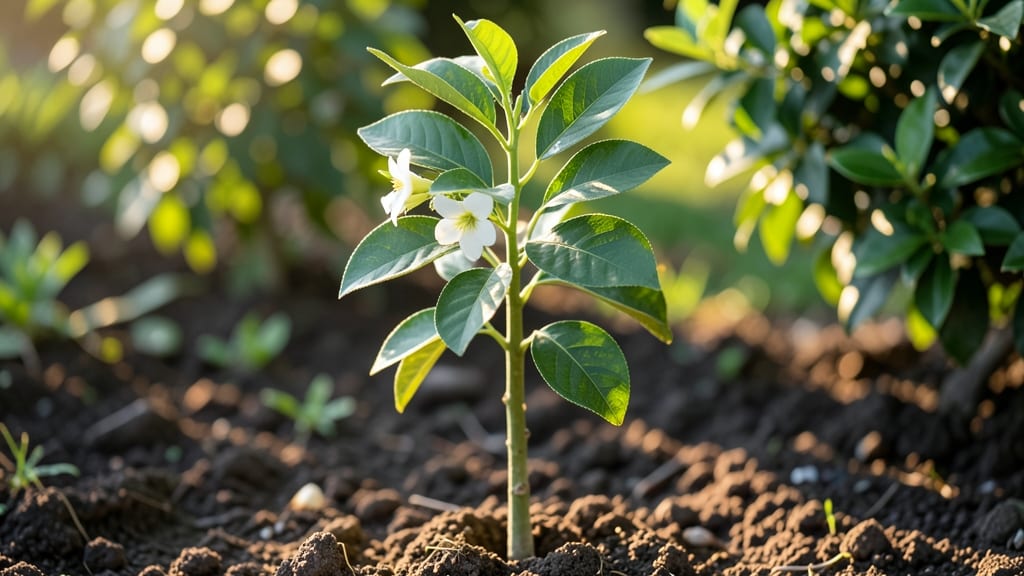
Growing a lemon tree starter from a dwarf variety is the fastest way to get homegrown citrus in pots—even on a balcony. 🌱 I’ve turned my 6-foot patio into a lemon grove using these exact techniques, and my first harvest came in just 18 months.
The secret isn’t fancy soil or expensive tools—it’s matching the tree’s needs to your space, starting with the right starter type.
Nursery-bought dwarf starters (like Meyer or Improved Meyer) are foolproof—they’re already grafted for compact growth and faster fruiting. If you’re starting from seed, expect to wait 3-5 years for fruit, but the process teaches you everything about citrus care.
Either way, you’ll need well-draining soil, a pot with drainage holes, and a sunny spot that gets at least 6-8 hours of light daily.
Within a month, you’ll see new growth signaling healthy roots, and with proper pruning (just trim leggy stems to encourage bushiness), your tree will stay small enough for containers while producing lemons year after year.
The first fruit might be small, but the satisfaction of peeling a homegrown lemon over fresh pasta? That’s the real reward.
Even if you’ve killed houseplants before, this method is beginner-friendly—just watch for overwatering (let soil dry between waterings) and root rot (never let it sit in soggy soil).
Dwarf varieties are forgiving, and with these steps, you’ll be harvesting lemons in less time than it takes to wait for store-bought fruit to ripen.
📚 In This Guide
- What you need
- Instructions
- Tips and common mistakes
- Wrapping up and next steps
What you need
- ● Lemon Tree Starter: 1 dwarf lemon tree variety (e.g., 'Meyer' or 'Improved Meyer'—these are compact and perfect for small spaces!)
- ● Option: Seeds (from organic lemons) or a bare-root sapling (check local nurseries or online retailers like Fast-Growing-Trees.com).
- ● Container or Planting Spot: 1 5-gallon pot (minimum) with drainage holes (required for container growing).
- ● Option: Raised bed or in-ground planting hole (if growing outdoors in a warm climate).
- ● High-Quality Potting Mix: 1 bag well-draining cactus/succulent mix (or amend regular potting soil with perlite/vermiculite for aeration).
- ● Fertilizer: 1 balanced, slow-release fertilizer (10-10-10 or 20-20-20) (follow package instructions for dwarf varieties).
- ● Option: Organic options like fish emulsion or compost tea.
- ● Basic Tools: 1 trowel or small shovel (for planting).
- ● 1 pair of pruning shears (sterilized with rubbing alcohol).
- ● 1 spray bottle (for misting seedlings).
- ● Sunlight & Climate: 6+ hours of direct sunlight daily (south-facing window or grow lights for indoor starters).
- ● Warmth: Ideal temps: 60–85°F (15–29°C).
- ● Note: Dwarf varieties tolerate cooler temps better than standard lemon trees!
- ● Watering Supplies: 1 watering can with a rose attachment (for gentle watering).
- ● Option: Drip irrigation kit (for long-term care).
- ○ Optional (But Helpful!) Extras: 1 humidity tray (for seedlings in dry climates).
- ● 1 pH testing kit (to keep soil between 6.0–7.0).
- ● 1 plant support stake (if growing in windy areas).
Step-by-step instructions for growing a dwarf lemon tree
Here's how to get your tiny citrus tree thriving—and fruiting—faster than you'd expect.
🌱 Step 1: Choose the Right Dwarf Variety and Container
Start with a dwarf Meyer lemon tree (Citrus × meyeri), the fastest-fruiting variety for small spaces. These stay under 6 feet tall and produce sweet lemons in 2-3 years—half the time of standard varieties. Pick a 10-12 inch diameter pot with drainage holes (unglazed terra cotta works best).
Fill the bottom third with gritty drainage mix (I use perlite and coarse sand). This prevents root rot, which kills lemon trees faster than you'd think. The reason? Citrus roots need oxygen just as much as water. Place the pot where it gets 6-8 hours of morning sun—afternoon heat can scorch tender leaves.
💧 Step 2: Plant and Water for Immediate Root Establishment
Remove the tree from its nursery pot and loosen the roots if they're circling. Place it in the prepared container so the root flare (where roots meet trunk) sits ½ inch above soil level. Fill around the roots with well-draining potting mix (avoid garden soil—it compacts and suffocates roots).
Water deeply until it drains from the bottom holes, then let it sit for 24 hours. This initial soak helps roots expand into the new soil. After that, water when the top 1-2 inches feel dry—lemon trees hate soggy roots but also can't tolerate drought. I check by sticking my finger in; if it comes out clean, it's time to water.
☀️ Step 3: Provide Light and Humidity for Fast Growth
Place your tree near a south-facing window or under grow lights for 14-16 hours daily. Without enough light, leaves turn yellow and growth slows dramatically. If indoors, rotate the pot quarter-turn weekly so the tree grows straight—not lopsided toward the light.
In dry climates, mist the leaves 2-3 times weekly or use a pebble tray with water beneath the pot. Lemon trees love 60-70% humidity—the same as a bathroom with the shower running. Watch for brown leaf tips; that's your signal the air is too dry. A small humidifier near the tree speeds up growth and fruit set.
✂️ Step 4: Fertilize and Prune for Fruit Production
Start fertilizing 4 weeks after planting with a balanced citrus fertilizer (10-10-10 ratio). Apply every 4-6 weeks during growing season (spring-fall). Too much nitrogen makes leaves grow fast but delays fruit—cut back if you see all-leaf, no-flower growth. I use half-strength fertilizer the first year to avoid shocking the roots.
When your tree reaches 18 inches tall, prune back the top 2-3 inches to encourage branching. Remove any dead or crossing branches with clean sterilized scissors. This isn't just about shape—pruning improves airflow, which prevents fungal diseases that can kill young trees. You'll see new growth within 2-3 weeks; that's your signal the tree is responding well.
🍋 Step 5: Encourage Flowering and Protect for First Fruit
Lemon trees need cool nights (below 70°F) to set flowers. If your home stays warm year-round, move the tree outdoors to a shaded patio for 2-3 weeks in late spring. This temperature shift triggers blooming. Watch for tiny white flowers—they appear in clusters and smell amazing. Once flowers drop, tiny green lemons form in 3-4 months.
Protect young fruit from pests like aphids (they suck sap and stunt growth). Spray with neem oil if you see sticky residue on leaves. Thin fruit to 6-8 per branch when they're golf-ball sized—this ensures larger, sweeter lemons. I know it's tempting to leave them all, but overloading the tree stresses it and can lead to small, bitter fruit. Patience here pays off with better harvests next year.
Tips & tricks for perfect dwarf lemon tree care
These little-known tricks will help you skip the common pitfalls and get your dwarf lemon tree fruiting faster than you'd expect.
Light Positioning: The 6-8 hours of morning sun is non-negotiable, but here's the secret: position your tree so the sun hits the east side of the pot first. This gradual exposure prevents leaf scorch that happens when afternoon sun hits tender leaves directly. If you notice yellowing on one side, rotate the pot quarter-turn weekly to balance growth. I've seen trees grow lopsided when people ignore this simple adjustment—it's worth checking every couple of days.
Root Establishment Hack: That 24-hour wait after your initial deep watering isn't just about letting roots settle—it's about preventing compaction. After watering, gently press the soil around the roots with your fingers to eliminate air pockets. This mimics natural soil conditions and helps roots establish faster. I've noticed trees with compacted soil take 2-3 weeks longer to show new growth compared to those with properly aerated soil.
Humidity Boost: The 60-70% humidity target is tricky to maintain indoors, but I've found a simple solution: place the pot on a tray filled with pebbles and water, making sure the bottom of the pot doesn't sit directly in water. The evaporating moisture creates a microclimate that keeps leaves from developing those telltale brown tips. You'll see the difference within 1-2 weeks—healthier leaves mean faster growth and better fruit set.
Fertilizer Timing: When you start fertilizing at 4 weeks, use half-strength solution for the first application. This gradual introduction prevents root burn that can stall growth completely. I've seen trees wilt dramatically after aggressive fertilizing—don't make that mistake. After the first application, you can increase to full strength as specified, but watch for new growth as your signal to continue.
Pro Tips for Lemon Tree Starter
- These little-known tricks will help you skip the common pitfalls and get your dwarf lemon tree fruiting faster than you'd expect.
- Light Positioning: The 6-8 hours of morning sun is non-negotiable, but here's the secret: position your tree so the sun hits the east side of the pot first.
- Root Establishment Hack: That 24-hour wait after your initial deep watering isn't just about letting roots settle—it's about preventing compaction.
Frequently asked questions
Got questions about growing your own lemon tree starter? You’re not alone—here are some of the most common concerns and quick answers to get you started with confidence!
How long does it take for a dwarf lemon tree starter to bear fruit?
A healthy dwarf lemon tree starter can produce fruit in 2–4 years with proper care. Patience is key—provide full sun (6+ hours daily), well-draining soil, and regular watering (but avoid soggy roots). Dwarf varieties like ‘Meyer’ or ‘Improved Meyer’ often fruit faster than standard types!
Can I grow a lemon tree starter indoors year-round?
Yes! Dwarf lemon trees thrive indoors near a south-facing window or under grow lights (12–14 hours/day). Use a pot with drainage holes, keep humidity moderate (mist leaves occasionally), and fertilize lightly every 2–3 months. Just watch for pests like spider mites—isolate new plants until checked!
Do lemon tree starters need winter protection?
If outdoors, protect your starter from temperatures below 20°F (-7°C). Move potted trees indoors or wrap the base with burlap and mulch the soil. For container growers, bring pots inside near a bright window. Dwarf varieties are hardier than they look—just avoid drafts and sudden temperature swings!
What if my lemon tree starter’s leaves turn yellow?
Yellow leaves usually signal overwatering, nutrient deficiency, or root stress. Check the soil—it should be dry 1–2 inches down. Adjust watering, flush the soil with water to remove salts, and fertilize with a citrus-specific blend. Yellowing on older leaves? Normal! But new leaves turning yellow? Act fast!
Can I grow a lemon tree from a grocery store lemon?
Technically yes, but it’s not recommended for starters. Store-bought lemons are often treated to prevent sprouting. For better results, buy a grafted dwarf lemon tree starter from a nursery—it’s faster, hardier, and guaranteed to fruit. Save the experiment for fun (and patience!) with seeds!
Wrapping up and next steps
Growing a dwarf lemon tree starter is a rewarding journey—especially when you know the secrets to thriving fruit in tight spaces! 🌱 With the right variety, pruning techniques, and care, you’ll enjoy fresh lemons in no time.
Whether you’re a beginner or a seasoned gardener, these tips make it easier than ever.
Now that you’re armed with everything from materials to troubleshooting, it’s time to get your hands dirty!
Start with your chosen dwarf lemon tree starter, follow the pruning steps, and watch your little citrus tree flourish. Happy growing—and soon, you’ll be savoring homemade lemonade straight from your backyard! 🍋✨