
Trees
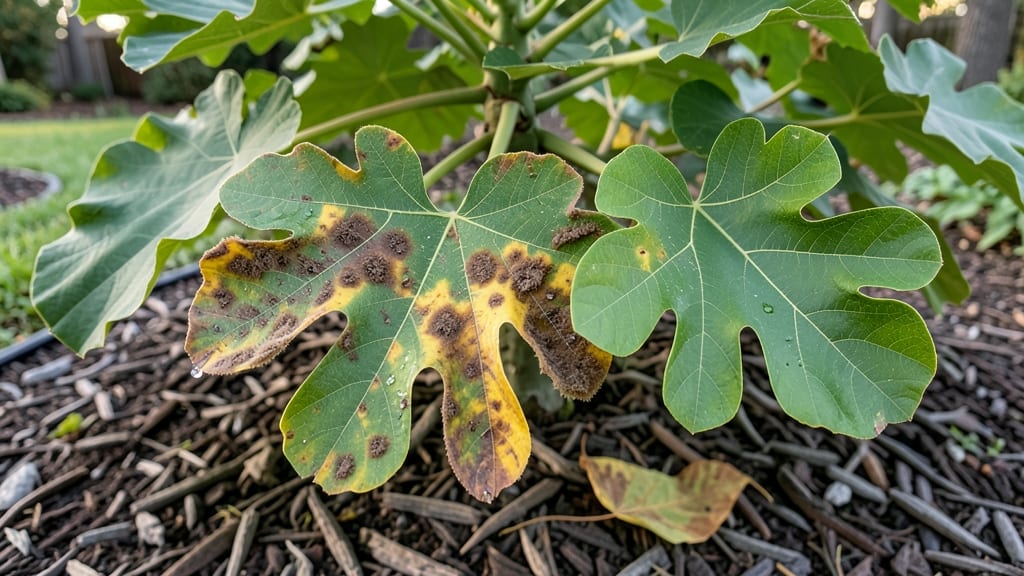
When your fig tree leaves turn yellow with brown spots, it’s usually a fungal blight screaming for help. 🌿 I’ve seen this mess up even the hardiest trees—until I learned the 3 simple steps that stop the spread and bring those leaves back to life. The key?
Acting fast before the spots multiply and the tree weakens. Most people assume it’s overwatering, but fungal blight thrives in damp, crowded leaves. Look for dark brown spots with yellow halos—that’s your first clue.
Spider mites or nutrient deficiencies can mimic this, but fungal spots often appear in clusters after rain or when airflow is poor. A quick check of the undersides of leaves will tell you if it’s fungal or something else.
With the right treatment—copper fungicide, pruning, and better airflow—you’ll see new growth within 2-3 weeks. The best part? These fixes work for both container and in-ground fig trees, and they’re foolproof if you follow the steps exactly.
Let’s diagnose your tree’s exact issue first—because not all brown spots are created equal. Once we pinpoint the problem, we’ll tackle it before it spreads to the fruit.
Root Causes Of Leaf Discoloration
When your fig tree’s leaves start turning yellow with unsightly brown spots, it’s often a sign that something’s gone awry beneath the surface. Understanding the why behind these symptoms is the first step toward saving your tree.
Below, we break down the most common culprits—from fungal infections to environmental stressors—with clear explanations and actionable insights.
Fungal diseases are the #1 reason for fig tree leaves developing yellowing and brown spots. These pathogens thrive in warm, humid conditions and can spread rapidly if left unchecked.
- Brown Spot Disease (Septoria or Cercospora):
This fungal blight targets fig leaves, causing small, circular brown spots with yellow halos. Over time, the spots expand, merge, and trigger premature leaf drop. Septoria figulina and Cercospora spp. are common offenders, especially in wet climates or after overhead watering.
How to spot it: Look for spots with tiny black specks (fungal fruiting bodies) in the center. Leaves may also develop a "shot-hole" appearance as dead tissue falls out.
- Leaf Spot Fungi (Alternaria or Phyllosticta):
These fungi create irregular, dark brown patches that often have a greasy or velvety texture. Unlike Septoria, these spots may not have distinct halos but can still weaken the leaf’s structure, leading to yellowing.
Trigger factors: Poor air circulation, dense foliage, or splashing water during irrigation.
- Root Rot (Phytophthora or Pythium):
While root rot primarily attacks the roots, its symptoms often show up as yellowing leaves with brown, crispy edges. The fungus Phytophthora cinnamomi thrives in waterlogged soil, blocking nutrient uptake and causing systemic decline.
Red flag: If the soil smells sour or the tree’s trunk feels soft at the base, root rot may be the culprit.
Not all leaf issues stem from pathogens—sometimes, your fig tree is simply overwhelmed by its surroundings.
- Overwatering or Poor Drainage:
Fig trees hate soggy roots. When soil stays too wet, oxygen deprivation stresses the tree, leading to yellowing leaves with brown, water-soaked spots. Overwatering also creates the perfect conditions for fungal growth.
Test for it: Stick your finger 2 inches into the soil—if it’s damp after 48 hours, you’re overwatering.
- Underwatering or Drought Stress:
While too much water harms fig trees, too little causes leaves to curl, yellow, and develop brown, crispy edges. Drought stress disrupts the tree’s ability to transport nutrients, leading to spotty discoloration.
Signs of thirst: Dry, brittle leaves that pull away from the stem when gently tugged.
- Extreme Heat or Sunburn:
Fig trees love sunlight, but intense afternoon sun can scorch leaves, causing yellow patches with brown, papery edges. This is common in young trees or those suddenly moved to full sun.
Prevention tip: Acclimate trees gradually to full sun or provide afternoon shade during heatwaves.
- Nutrient Deficiencies (Iron, Magnesium, or Zinc):
Yellowing between leaf veins (interveinal chlorosis) often signals an iron deficiency, while brown spots with yellow borders may indicate magnesium or zinc shortages. Poor soil quality or compacted roots can block nutrient absorption.
Quick fix: Test your soil and amend with chelated iron or Epsom salt (for magnesium) if needed.
While less common than fungi or environmental factors, pests can also trigger leaf discoloration by feeding on sap or injecting toxins.
- Spider Mites:
These tiny arachnids suck plant juices, causing leaves to develop stippled yellow or brown spots. Severe infestations lead to webbing and leaf drop. Hot, dry conditions worsen outbreaks.
How to confirm: Hold a white sheet under the tree and shake branches—mites will scatter like dust.
- Scale Insects:
Scale insects attach to leaves and stems, excreting a sticky honeydew that attracts sooty mold (a black fungal growth). This mold blocks sunlight, causing yellowing and brown spots.
Visual clue: Look for small, shell-like bumps on leaves or stems.
- Aphids:
While aphids rarely cause brown spots, their feeding can distort new growth and lead to yellowing. Heavy infestations may also spread viral diseases, exacerbating leaf issues.
Pro Tip: 💡 Before treating any issue, isolate the affected tree to prevent spread. Collect fallen leaves and dispose of them in a sealed bag—this stops fungal spores and pests from reinfecting your garden.
Quick Fixes for Fading Fig Foliage
If your fig tree’s leaves are turning yellow with brown spots, don’t panic—most issues can be resolved with targeted care. Below are practical solutions tailored to the most common causes, from fungal infections to environmental stress.
Each fix is designed to be easy to follow, so you can restore your tree’s health without guesswork.
Fungal diseases like Cercospora or Botrytis thrive in damp conditions, causing those telltale brown spots. Here’s how to tackle it:
1. Prune Affected Leaves 🔪
- Step 1: Identify and remove all leaves with brown spots. Use clean, sharp pruners to avoid spreading spores.
- Step 2: Dispose of infected leaves in the trash (not compost)—fungi can linger in soil.
- Step 3: Sterilize your tools with rubbing alcohol or a 10% bleach solution to prevent reinfection.
2. Apply Fungicide 🛡️
- Option A (Natural): Mix 1 tbsp baking soda + 1 tsp dish soap + 1 gallon water. Spray leaves thoroughly, focusing on undersides (where spores hide). Repeat every 7–10 days.
- Option B (Chemical): Use a copper-based fungicide (like Copper Soap) for severe cases. Follow label instructions for safety.
- Pro Tip: 💡 Apply fungicide in the early morning so leaves dry quickly—moisture fuels fungal growth.
3. Improve Airflow & Drainage 🌬️
- Thin out crowded branches to let air circulate.
- Avoid overhead watering—use drip irrigation or water at the base.
- Mulch around the base (2–3 inches of organic mulch) to regulate soil moisture.
Yellowing leaves with brown edges often signal a lack of essential nutrients. Here’s how to diagnose and fix it:
📊 Soil Test First
- Grab a soil sample (6 inches deep) and send it to a local extension office for testing. Common deficiencies in fig trees:
- Nitrogen (N): Leaves turn pale yellow (not brown-spotted).
- Potassium (K): Brown leaf edges with weak growth.
- Magnesium (Mg): Yellow patches between leaf veins.
💪 Fertilize Correctly
- For Nitrogen: Use a balanced fertilizer (10-10-10) in early spring.
- For Potassium/Magnesium: Apply a potassium sulfate or Epsom salt (magnesium sulfate) solution (1 tbsp per gallon of water) every 4–6 weeks.
- Avoid over-fertilizing—fig trees prefer lean soil. Too much salt can burn roots!
🌱 Boost Organic Matter
- Mix compost or well-rotted manure into the top 6 inches of soil. This improves nutrient availability and drainage.
Overwatering or poor drainage can stress fig trees, leading to yellowing and spots. Adjust your watering routine:
💧 Check the Soil
- Stick your finger 2 inches into the soil. If it’s damp, wait before watering. Figs prefer:
- Deep but infrequent watering (1–2 times per week, depending on climate).
- Well-draining soil—amend clay soil with perlite or sand.
🌧️ Drainage Solutions
- If your tree sits in soggy soil, create a raised bed or add gravel at the base to improve drainage.
- Ensure the pot (if container-grown) has drainage holes and a saucer underneath.
☀️ Prevent Water Splashes
- Water at the base, not the leaves, to avoid fungal spores splashing onto foliage.
Once your fig tree recovers, keep these tips in mind to avoid a repeat performance:
- 🌡️ Monitor Humidity: Figs hate humidity. Use a fan in greenhouses or prune for better airflow.
- ✨ Mulch Strategically: Use gravel or pine straw instead of thick organic mulch to reduce moisture retention.
- 🌿 Rotate Fungicides: If you use chemical treatments, alternate between copper and sulfur-based fungicides to prevent resistance.
- 🍃 Inspect Regularly: Check leaves every 2 weeks for early signs of stress or disease.
With these fixes, your fig tree should bounce back in 4–6 weeks. The key is acting fast—fungal infections spread quickly, but with the right care, your tree will be thriving (and spot-free!) in no time. 🌿
Frequently asked questions
Why do my fig tree leaves have yellow edges with brown spots?
This is often a sign of nutrient deficiency (like potassium or magnesium) or fungal infection (such as Cercospora leaf spot). Check for tiny black specks in the spots—those confirm fungal activity. For deficiencies, test your soil and amend with Epsom salt (magnesium) or potassium sulfate.
Can I save my fig tree if the brown spots are spreading fast?
Yes, but act immediately! Prune all infected leaves, apply a copper fungicide (or baking soda spray), and improve airflow by thinning branches. Severe cases may need 2-3 weeks of consistent treatment. The key is stopping the spread before it reaches the fruit.
Is it safe to compost leaves with brown spots?
No—never compost infected leaves! Fungal spores can survive composting and reinfect your garden. Instead, bag them in plastic and throw them in the trash. Always sterilize your pruners with rubbing alcohol after cutting infected foliage.
Will my fig tree recover if I only treat the leaves?
Treating just the leaves won't fully fix the problem. You must also address root health and soil conditions. Check for overwatering (soggy soil = root rot risk) and amend drainage with perlite or sand. Healthy roots = stronger recovery for the whole tree.
How often should I spray fungicide on my fig tree?
Start with weekly sprays for 3-4 weeks to break the fungal cycle, then switch to every 2 weeks as prevention. Always spray in the early morning so leaves dry quickly—moisture fuels fungal growth. Rotate between copper and sulfur-based fungicides to prevent resistance.