
Pests and Diseases
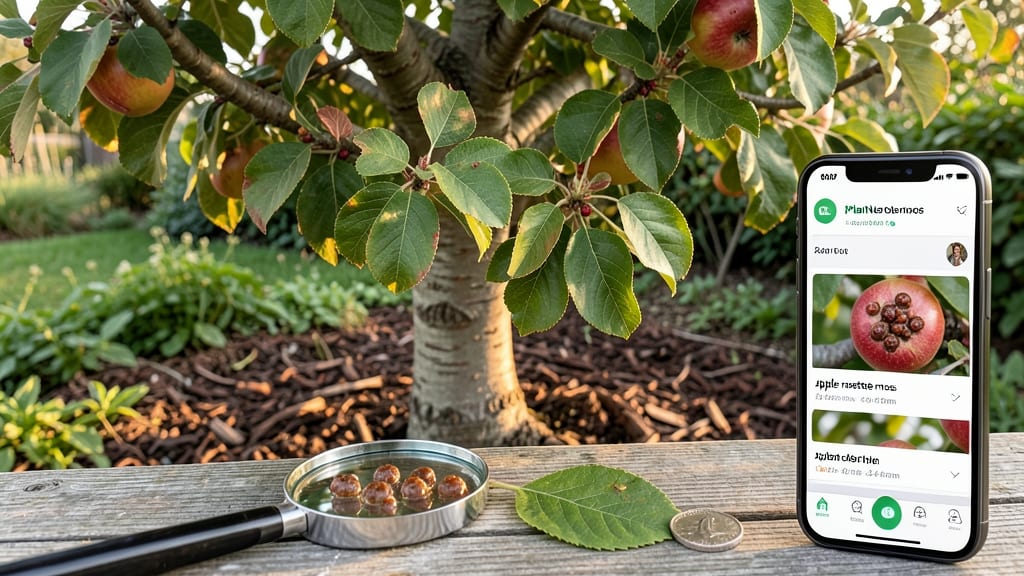
Those red bumps on your tree leaves aren’t just unsightly—they’re a red flag. 🌿 Whether it’s gall wasps, fungal spots, or mites, each culprit leaves a distinct mark that tells you exactly what’s wrong and how to fix it.
I’ve spent years diagnosing these issues, and the difference between a guess and a cure often comes down to knowing what to look for up close.
The worst part? Many gardeners wait too long to act, thinking the bumps will fade on their own. They won’t. Gall wasps create those hard, raised bumps that won’t go away without intervention, while fungal spots spread like a stain if you ignore them.
The good news? Most issues respond well to targeted treatments—once you know what you’re dealing with—and prevention is simpler than you’d think.
By the end of this guide, you’ll spot the difference between a harmless leaf spot and a full-blown infestation. You’ll also learn how to treat each problem organically or chemically, depending on your comfort level, and when to call in an arborist before the damage becomes permanent.
Think of this as your field manual for tree leaf mysteries.
No more guessing games—just clear steps to identify, treat, and prevent those pesky red bumps. Whether you’re dealing with a single branch or an entire tree, the solutions here work for both small-scale gardeners and homeowners with mature landscapes. Let’s get those leaves back to their natural, bump-free glory.
Understanding Leaf Bump Triggers
When you spot tiny red bumps on tree leaves, it’s usually a sign that something’s disrupting the plant’s natural balance. These bumps can appear due to a mix of biological stressors, and understanding the root cause helps you take the right action.
Below, we break down the most common reasons—from microscopic invaders to environmental factors—so you can diagnose the issue accurately.
Fungi are one of the most frequent culprits behind red bumps on leaves. Unlike pests that chew or suck sap, fungi infect plant tissues, often leaving behind raised, crusty, or powdery growths. Here’s how it happens:
- Spores land and germinate: Fungal spores (like those from Cercospora or Puccinia species) settle on leaves, especially in damp conditions. Once moisture triggers germination, the fungus penetrates leaf tissue.
- Red bumps as a defense: Some fungi, such as Gloeosporium, cause anthocyanin production—a red pigment in leaves that acts as a stress signal. This isn’t the fungus itself but the tree’s response to infection.
- Environmental boost: Warm, humid weather (60–80°F) with frequent rain or overhead watering creates the perfect fungal buffet. Poor air circulation in dense foliage also speeds up spread.
💡 Pro Tip: Check the undersides of leaves—fungal spots often start there. If bumps look rust-colored or powdery, it’s likely a fungal issue.
Not all bumps are fungal. Some are the eggs or early-stage larvae of insects like aphids, mites, or scale insects. These pests don’t always leave visible damage until they mature, but their presence can trigger reddening as the tree reacts to their feeding.
- Aphid eggs: Tiny, shiny red or orange ovals (often clustered) on leaf veins or undersides. Aphids pierce cells to drink sap, causing necrotic (dead) red spots around feeding sites.
- Spider mite eggs: Nearly invisible to the naked eye, but heavy infestations cause stippling (tiny red dots) as mites puncture cells. The bumps are actually galls—abnormal growths the tree forms in response.
- Scale insects: These stationary pests secrete a waxy coating over their bodies, appearing as small, raised bumps. Their feeding stress can turn leaves reddish-purple.
🔍 Actionable Insight: Use a magnifying glass to inspect bumps. If they’re sticky (honeydew) or move when prodded, it’s likely pests. Scrape a bump gently—if it’s not a hard shell, it could be fungal.
Galls are abnormal growths caused by parasitic wasps, bacteria, or viruses that hijack plant hormones. While not always red, some galls develop a reddish hue due to increased anthocyanin production—a tree’s way of signaling distress. Common gall-makers include:
- Oak apple galls: Round, woolly bumps (often red-tinged) caused by Biorhiza pallida wasps. The tree’s tissue grows around the wasp larvae as a protective response.
- Bacterial galls: Smooth, raised bumps (sometimes red) triggered by Agrobacterium bacteria, which injects genes to stimulate cell division.
- Nutritional stress galls: Poor soil or over-fertilization can cause physiological galls, where leaves swell and turn reddish due to imbalanced growth hormones.
✨ Key Difference: Galls are usually hard and woody (not soft like fungal spots) and often appear in clusters. If you squeeze a bump and it doesn’t crush easily, it’s likely a gall.
Not all red bumps are biological. Extreme environmental conditions can trigger physiological responses, including:
- Cold damage: Sudden freezes cause chilling injury, where cells rupture and leaves develop red, bumpy patches. Evergreens (like pines) are especially vulnerable.
- Sun scald: Intense afternoon sun on water-stressed leaves leads to reddened, raised necrotic spots. This is common in young trees with thin bark.
- Chemical burn: Over-application of herbicides, de-icers, or even well water with high salts can cause crusty red bumps as the leaf tissue dies.
📊 Quick Test: Check the tree’s overall health. If bumps appear only on sun-exposed sides or after a recent weather shift (heatwave/freeze), environment is likely the culprit.
Next up: Learn how to distinguish between these causes with our step-by-step identification tips.
Fixing Leaf Bumps Naturally
Once you’ve identified the source of those pesky red bumps on tree leaves, it’s time to take action! The right treatment depends on whether fungi, insects, or environmental stress are to blame. Below are practical, step-by-step solutions tailored to each cause—plus tips to keep your trees healthy long-term.
---
If red bumps are actually fungal spots (like anthracnose or rust), act fast to stop the infection.
#### 🔥 Remove Infected Leaves & Debris - 👨🍳 Gather tools: Wear gloves and a mask.
Use pruning shears or a rake to collect fallen leaves. - 🗑️ Dispose properly: Place infected leaves in a sealed plastic bag and toss them in the trash (not compost). - ✂️ Prune affected branches: Cut back any severely damaged limbs, sterilizing tools with 70% rubbing alcohol between cuts.
#### 🌡️ Apply Fungicide (Organic or Chemical) - 💡 Organic options: - Neem oil spray (1 tsp neem oil + 1 tsp mild soap per quart of water).
Spray early morning or evening to avoid burning leaves. - Baking soda solution (1 tbsp baking soda + 1 quart water + a few drops of dish soap). Reapply every 7–10 days in wet conditions. - 🔥 Chemical options (for severe cases): - Copper fungicide (follow label instructions).
Works well for anthracnose and rust. - Propiconazole or myclobutanil (systemic fungicides for stubborn infections).
#### 🌧️ Improve Airflow & Reduce Moisture - 🌿 Thin out dense foliage to allow sunlight and air to circulate. - 💦 Water at the base (not overhead) to keep leaves dry.
Early morning watering is best. - 🪓 Mulch properly: Use 2–4 inches of organic mulch (like wood chips) but keep it 6 inches away from the trunk to prevent rot.
---
If mites, aphids, or scale insects are causing bumps, isolate and eliminate them before they spread.
#### 🔪 Blast Off Pests with Water (For Soft-Bodied Bugs) - 💦 Use a strong hose spray (60 PSI or more) to dislodge aphids, spider mites, and scale. - 🌧️ Best time: Early morning or late evening when pests are least active. - ⏰ Frequency: Repeat every 3–5 days until pests disappear.
#### 🍳 Apply Insecticidal Soap or Oil - 💡 Homemade insecticidal soap: - Mix 2 tbsp castile soap + 1 quart water.
Spray directly on pests (avoid flowers if possible). - ⚠️ Test first: Spray a small leaf area to check for sensitivity. - 🥘 Horticultural oil (for scale & mites): - Apply dormant oil in late winter/early spring or summer oil when pests are active. - ✨ Pro tip: Reapply every 7–14 days for severe infestations.
#### 🐝 Encourage Natural Predators - 🐞 Ladybugs, lacewings, and parasitic wasps eat aphids and mites. Attract them with: - 🌼 Planting companion flowers (like dill, fennel, or marigolds). - 🍯 Avoid broad-spectrum pesticides that harm beneficial insects.
---
If bumps are due to heat, cold, or nutrient issues, tweak your tree’s growing conditions.
#### 💧 Hydrate Properly (But Don’t Overdo It) - 🌧️ Deep watering: Water slowly and deeply (1–2 inches per week) rather than frequent shallow watering. - 🚰 Check soil moisture: Stick your finger 2 inches into the soil—if it’s dry, water again. - 🌿 Mulch heavily: 3–4 inches of mulch retains moisture and regulates temperature.
#### 🌡️ Shield from Extreme Conditions - ☀️ Heat stress? Provide light shade with shade cloth (30–50%) during peak summer. - ❄️ Cold damage? Wrap young trees with burlap in winter and avoid late-season fertilizing.
#### 🍎 Fertilize Smartly (If Needed) - 📊 Test soil first: Use a home soil test kit to check pH and nutrient levels. - 💪 Balanced fertilizer: Apply a slow-release, organic fertilizer (like compost or 10-10-10) in early spring. - ⚠️ Avoid over-fertilizing: Too much nitrogen can weaken trees, making them prone to pests/disease.
---
Stop bumps before they start with these easy maintenance habits:
| Task | When to Do It | How to Do It | |------------------------|-------------------------|------------------------------------------| | Prune for airflow | Early spring | Remove dead/diseased branches 6–12 inches back from the trunk. | | Clean up debris | Fall & spring | Rake up fallen leaves and dispose of them. | | Monitor regularly | Weekly (in growing season) | Check undersides of leaves for early signs of pests/fungi. | | Rotate treatments | Seasonally | Alternate organic and chemical methods to prevent resistance. | | Inspect new plants | Before planting | Quarantine new trees for 2–4 weeks to spot issues early. |
--- 💡 Pro Tip: Keep a tree care journal to track treatments and note when bumps reappear—this helps pinpoint recurring problems faster!
Frequently asked questions
Can red bumps on leaves always be treated at home?
Most mild cases of red bumps caused by fungi, mites, or environmental stress can be treated at home with organic methods. However, if the bumps are hard and woody (like gall wasp galls) or if the tree shows signs of severe decline—such as wilting, leaf drop, or oozing sap—consult a professional arborist. Some bacterial or viral infections may require specialized treatments beyond home remedies.
How do I tell if red bumps are from pests vs. disease?
Pests like mites or aphids often leave sticky residue (honeydew) or tiny moving insects when you inspect closely. Disease-related bumps (fungal or bacterial) usually appear powdery, crusty, or spread in patches. Scrape a bump gently—if it’s soft and flakes off, it’s likely fungal. If it’s hard and doesn’t crush easily, it could be a gall or pest-related growth.
Will pruning help if my tree already has red bumps?
Yes! Pruning removes infected or heavily infested branches, preventing the spread of disease or pests. Focus on removing 6–12 inches back from the trunk on infected limbs, and sterilize your tools with 70% rubbing alcohol between cuts. Thin out dense foliage to improve airflow, which reduces humidity—perfect for fungal issues.
Are red bumps on oak trees always caused by gall wasps?
Not necessarily. While oak apple galls (from gall wasps) are common, oaks can also develop red bumps from fungal infections like anthracnose or nutritional stress. Check for other symptoms: gall wasps create hard, woolly bumps, while fungal spots often appear rust-colored or powdery. Test a small area with neem oil—if it improves, it’s likely fungal.
How long does it take to see improvement after treatment?
For fungal issues, you may see results in 7–14 days with consistent fungicide applications. Pest treatments (like insecticidal soap) can show improvement in 3–5 days, but severe infestations may take 2–4 weeks to fully resolve. Environmental stress (like sun scald) may require weeks to months to heal, depending on the tree’s overall health.