
Featured
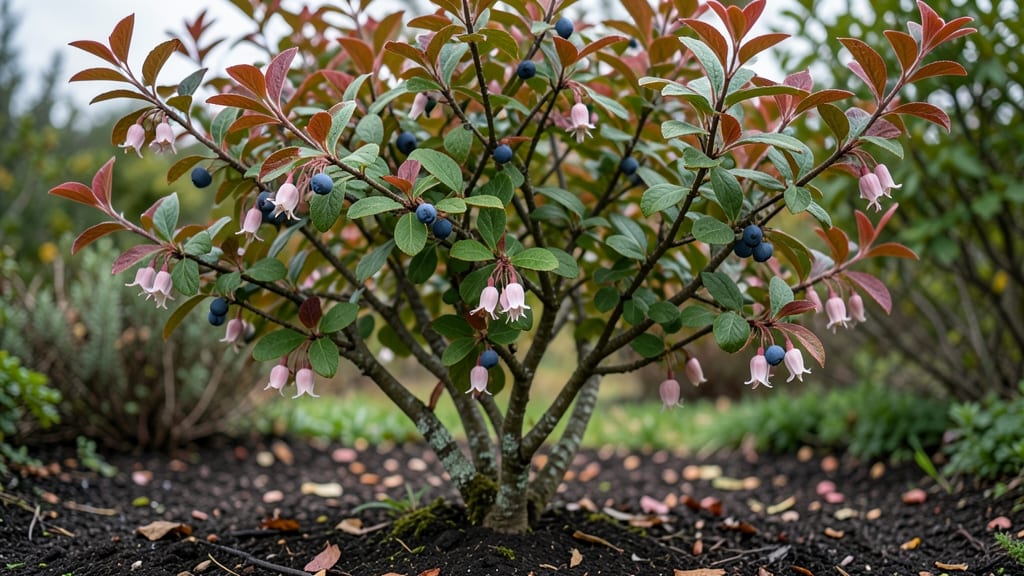
Your blueberry tree leaves turning red isn’t always a problem—sometimes it’s just nature’s way of putting on a fall show. 🍂 I’ve seen my own bushes go from deep green to fiery red in September, and it’s actually a sign of healthy, mature plants.
But when it happens at the wrong time or looks unnatural, it could mean nutrient issues, pests, or even disease like red leaf disease.
The first step is checking the timing: red leaves in fall are normal, but bright red in spring or summer? That’s a red flag. 🌿 I’ve learned to inspect for spider mites, aphids, or fungal spots—those tiny clues make all the difference.
If the leaves feel dry or have strange markings, we’re dealing with stress, not just seasonal color.
Fixing it starts with basic care: a balanced fertilizer in early spring, proper watering (not soggy soil), and pruning out any diseased branches. 🌱 I’ve restored my bushes to vibrant green in just a few weeks by addressing the root cause—whether it’s a simple nutrient boost or a pest intervention.
Don’t panic if yours turns red this season—it might just be a stunning display. But if it’s out of place, we’ll troubleshoot step by step to get those leaves back to their best. Your blueberries will thank you!
Natural Triggers Behind Red Leaves
Blueberry tree leaves turning a vibrant red isn’t just a seasonal spectacle—it’s a fascinating biological response to environmental cues. Understanding these triggers can help you nurture your tree while embracing its stunning transformation. Here’s what’s really going on beneath the surface.
When temperatures dip and daylight shortens, blueberry trees ramp up production of anthocyanins—the pigments responsible for red, purple, and orange hues. These compounds act as a natural sunscreen, protecting leaves from excess light damage during shorter days. Think of them as the tree’s built-in sunglasses!
💡 Pro Tip: Trees like Rabbiteye and Southern Highbush varieties often showcase this effect more dramatically. If your tree’s leaves are already deep green in summer, they’re likely packing extra anthocyanin potential.
Sudden temperature swings—like warm afternoons followed by chilly nights—can accelerate reddening. While mild stress triggers anthocyanin production, extreme cold or heat shocks may cause premature leaf drop. Blueberry trees thrive in USDA Zones 4–9, but their foliage reacts sensitively to deviations.
🌡️ Key Factor: Ideal fall temps for color development hover around 50–65°F (10–18°C). If your area experiences early freezes (<32°F/0°C), leaves may turn red faster but could also crisp or fall sooner.
Sunlight isn’t just fuel for photosynthesis—it’s a catalyst for red pigmentation. Trees in full sun produce more anthocyanins than those in shade. This is why blueberry trees planted in open areas often boast brighter foliage.
⚠️ Watch Out: Too much direct sun after leaves redden can fade the color. If your tree’s leaves are already red but suddenly lose vibrancy, partial afternoon shade might help preserve the display.
Water stress—either from drought or overwatering—can trigger reddening as the tree conserves energy. However, balanced moisture (especially in early fall) supports anthocyanin synthesis. Additionally, phosphorus and potassium deficiencies may mimic stress signals, prompting premature color changes.
🔥 Actionable Fix: Conduct a soil test to check nutrient levels. If phosphorus (P) or potassium (K) are low, apply a balanced fertilizer (10-10-10) in early fall to encourage vibrant foliage.
By tuning into these natural triggers, you can not only explain the reddening process but also optimize your blueberry tree’s care for a show-stopping seasonal display. Next, we’ll explore how to proactively enhance this stunning transformation.
Fix Reddened Blueberry Leaves Naturally
If your blueberry tree’s leaves are turning a vibrant red—whether it’s a seasonal showstopper or a sign of stress—don’t panic! With the right care, you can restore healthy foliage or even enhance that stunning autumnal glow.
Below, we’ll break down the most common causes of reddening leaves and provide practical, step-by-step fixes to bring your tree back to its best. Plus, we’ll share pro tips to prevent future color shifts so you can enjoy lush, green (or intentionally red!) leaves year after year.
If your blueberry tree’s leaves are turning red in fall or early winter, this is likely a natural process. Many blueberry varieties—especially Rabbiteye and Southern Highbush types—develop fiery red or purple hues as temperatures drop and daylight shortens.
This isn’t a problem; it’s a sign of a healthy, stress-free tree!
#### 🔥 How to Embrace (Not Fix) It - 📸 Capture the moment! Snap photos of your tree’s autumn display—red leaves are a spectacular feature in any garden. - ✂️ Light pruning for shape: If branches look messy, trim back any dead or overcrowded stems in late winter or early spring (after the red leaves fall). - 🌱 Mulch for winter prep: Add a 2–3 inch layer of organic mulch (like pine straw or shredded bark) around the base to protect roots from freezing temps. #### 💡 Prevention Tip for Next YearIf you love the red leaves but want them to last longer, choose cold-hardy varieties like ‘Climax’ or ‘Premier.’ These types hold their color well into late fall.
Red or purplish leaves can signal a lack of key nutrients, particularly in young trees or acidic soils. Blueberries thrive in acidic, nutrient-rich soil (pH 4.5–5.5), and deficiencies often show up as red or yellow tinges between veins.
#### 🍳 Step-by-Step Soil & Fertilizer Fix 1. 🔍 Test your soil first: - Grab a soil test kit (available at garden centers) or send a sample to your local Cooperative Extension Service for a full analysis. - Look for low iron (Fe), nitrogen (N), or magnesium (Mg)—these are common culprits. 2. 🌱 Amend the soil (if acidic but lacking nutrients): - Mix in 1–2 inches of peat moss or compost into the top 6 inches of soil around the tree’s drip line. - For quick iron boost, sprinkle iron sulfate or chelated iron granules around the base and water deeply. 3. 👨🍳 Fertilize with blueberry-specific food: - Use a balanced, acidic fertilizer (like 10-10-10 with sulfur) in early spring and mid-summer. - Avoid high-nitrogen fertilizers (like lawn food)—they can burn roots in acidic soil. 4. 💧 Water deeply after fertilizing: - Wet the soil to a depth of 12 inches to help nutrients reach the roots. #### 🌡️ Pro Tip for Fast ResultsIf your tree is newly planted and leaves are red, it may need a slow-release fertilizer like Osmocote Smart-Release Plant Food (specifically for acid-loving plants). Follow package instructions for dosage.
Yellowing or reddening leaves with wilting or mushy stems often mean your blueberry tree is sitting in soggy soil. Blueberries hate wet feet—their roots need consistent moisture but excellent drainage.
#### 💦 How to Drain & Revive Your Tree 1. ⏰ Check the soil moisture: - Stick your finger 2 inches into the soil. If it’s damp or sticky, your tree is overwatered. 2. 🏗️ Improve drainage immediately: - Dig a 6-inch-deep trench around the tree (but not touching the trunk) and fill it with gravel or coarse sand. - If your tree is in a container, ensure it has drainage holes and repot into a larger container with fresh, acidic potting mix. 3. 🚫 Adjust your watering routine: - Water only when the top 1–2 inches of soil are dry. - In summer, deep water 1–2 times per week (early morning is best). - Avoid overhead watering—use a soaker hose or drip irrigation to keep leaves dry. 4. 🌱 Consider raised beds: - If your yard has clay soil, plant future blueberries in raised beds with a mix of peat moss, perlite, and pine fines. #### 🎯 Prevention Tip for Next SeasonMulch with pine needles or wood chips (not fresh grass clippings) to slow moisture loss and keep roots cool. Keep mulch 3–4 inches away from the trunk to prevent rot.
If red leaves appear suddenly, paired with spots, holes, or sticky residue, pests like spider mites, aphids, or scale insects may be sucking sap and causing stress. Fungal diseases (like leaf spot) can also trigger reddening as the tree fights infection.
#### 🐛 Pest & Disease Treatment Plan 1. 🔍 Identify the problem: - Pests? Look for tiny webs (mites), sticky sap (aphids), or white fluffy spots (scale). - Disease? Check for dark spots, yellow halos, or powdery mildew on leaves. 2. 🛡️ Treat pests organically: - 🍎 Neem oil spray: Mix 1 tsp neem oil + 1 tsp mild soap in 1 quart water. Spray under leaves and repeat every 5–7 days for 2 weeks. - 🕷️ Introduce beneficial insects: Ladybugs and lacewings devour aphids and mites—buy them online or attract them with dill or fennel plants. 3. 🌿 Fix fungal issues: - Prune and dispose of infected leaves (don’t compost them!). - Apply copper fungicide (like Copper Soap) every 2 weeks until new growth appears. - ✂️ Thin the canopy to improve air circulation (aim for 1/3 of the tree’s height). 4. 🌱 Strengthen the tree’s defense: - Feed with a balanced organic fertilizer (like fish emulsion) to boost immunity. - 💧 Water at the base (not overhead) to reduce fungal spores in the air. #### 💡 Pro Tip for Long-Term HealthPlant
companion plants like thyme, lavender, or marigolds near your blueberry tree—they repel pests naturally and improve soil health.With these fixes, your blueberry tree should either retain its gorgeous red foliage (if seasonal) or bounce back to vibrant green (if stressed). The key is observation + quick action—so keep an eye on your tree and adjust care as the seasons change. Happy gardening!
Frequently asked questions
Is it normal for blueberry leaves to turn red in spring?
No, red leaves in spring are not normal and usually signal stress. Check for nutrient deficiencies (like nitrogen or magnesium) or pests—aphids or spider mites often cause this early color change. If you see new growth returning to green, it’s likely a temporary issue.
Can I still harvest blueberries if the leaves turn red?
Yes, but only if the reddening is seasonal (fall/winter). If leaves turn red due to stress or disease, the fruit may be affected. Check for pests or nutrient issues first—healthy leaves = healthy berries. Always harvest when berries are fully blue and plump, regardless of leaf color.
How do I tell if red leaves are from stress vs. natural fall color?
Look at the timing and leaf condition. Natural fall reddening happens gradually in cooler months with no wilting. Stress-related red leaves appear suddenly, often with curled edges, spots, or early leaf drop. Check the soil moisture and inspect undersides of leaves for pests.
Will pruning help if my blueberry leaves turn red?
Pruning alone won’t fix red leaves, but it can help. Remove any dead, diseased, or crossing branches in late winter/early spring. Focus on improving air circulation—this reduces fungal issues and helps new growth return to green. Pair pruning with proper fertilization for best results.
Can I use regular lawn fertilizer on my blueberry tree?
No, never use regular lawn fertilizer! Blueberries need acidic soil (pH 4.5-5.5) and specialized fertilizer. Lawn food is too alkaline and can burn roots. Use a blueberry-specific fertilizer (like 10-10-10 with sulfur) instead, applied in early spring and mid-summer.