
Pests and Diseases
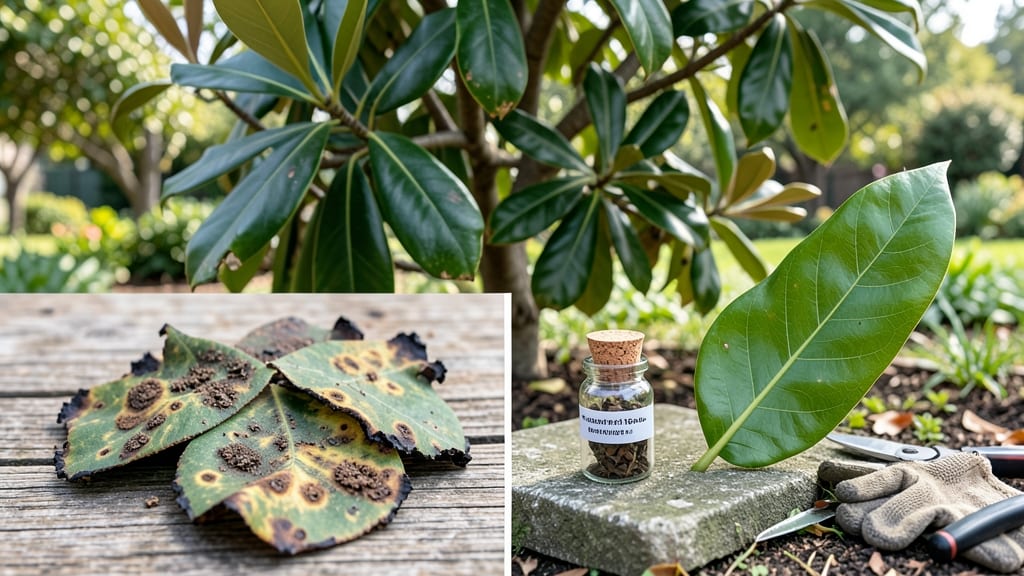
The magnolia tree leaf disease turning your leaves yellow or spotted isn’t just cosmetic—it’s a cry for help. 🌿 I’ve seen anthracnose, powdery mildew, and other fungal infections turn once-glorious magnolias into sad shadows of themselves, but the right steps can bring them back to life.
This guide cuts through the guesswork to show you exactly what’s wrong and how to fix it, so you can save your tree before the damage spreads.
Most leaf diseases start with poor air circulation, overwatering, or stress from heat or drought. You’ll spot the classic signs: dark spots with yellow halos, white powdery coatings, or leaves that curl and drop prematurely. The good news?
These problems respond well to pruning, fungicides, and simple preventive care—no expensive treatments required. I’ll walk you through the exact steps I’ve used to revive my own magnolias, including when to call in a pro.
By the end, you’ll know how to diagnose the issue, treat it effectively, and keep your magnolia thriving for years. The key is acting fast—once the disease takes hold in the soil or deeper branches, recovery gets a lot harder.
Think of this as your magnolia’s emergency manual, packed with practical fixes that actually work.
We’ll also cover climate-specific tweaks—whether you’re battling humidity in the South or dry spells in the West—and when to prune for maximum airflow. Your tree’s future starts here, and the best part? You don’t need a green thumb to pull it off. Let’s get those leaves healthy again.
Root Causes of Leaf Trouble
Magnolia trees are stunning additions to any landscape, but their glossy leaves can quickly turn into a sad, spotted mess if something goes wrong. Understanding why these issues arise is the first step to saving your tree.
Below, we break down the most common culprits—from sneaky pathogens to environmental stressors—so you can diagnose the problem like a pro.
Fungi are the #1 reason for unsightly spots, discoloration, and leaf drop on magnolias. These microscopic troublemakers thrive in damp conditions and can spread rapidly if left unchecked. - **🌱 Magnolia Leaf Spot (Phyllosticta spp.) - How it starts: Spores splash onto leaves from water droplets (rain, overhead irrigation) or windblown debris. Warm, humid weather (70–80°F) is their favorite breeding ground. - What it does: Causes dark, irregular spots with yellow halos, often leading to premature leaf fall. Severe cases can defoliate branches entirely. - Why it’s worse: Overhead watering keeps leaves wet for long periods, giving fungi the perfect environment to multiply. Poor air circulation (think dense foliage or crowded plantings) traps moisture, accelerating spread. - 🍄 Anthracnose (Colletotrichum spp.) - How it starts: This fungus attacks young, tender leaves in spring, exploiting fresh growth. It’s common in wet springs or after heavy rains. - What it does: Produces sunken, velvety brown spots that enlarge and merge, creating a "blighted" appearance. Infected leaves may curl or drop early. - Why it’s worse: Weakened trees (from drought, poor soil, or stress) are more susceptible. The fungus can also overwinter in fallen leaves or buds, ready to strike again next season. Not all leaf problems are caused by diseases—sometimes, tiny pests are the real villains. Their feeding habits can mimic fungal symptoms, leading to misdiagnosis. - 🐛 Scale Insects and Spider Mites - How they start: These sap-suckers cluster on the undersides of leaves, piercing the tissue to feed. Scale insects secrete a sticky "honeydew" that attracts sooty mold (a secondary fungal problem). - What they do: - Scale: Causes yellowing, curled leaves, and stunted growth. Heavy infestations weaken the tree, making it vulnerable to other diseases. - Spider mites: Create stippling (tiny white/yellow dots) on leaves, which turn bronze or gray as damage worsens. Webbing may appear in severe cases. - Why it’s worse: Hot, dry conditions (like summer droughts) stress the tree, making it more attractive to mites. Scale insects thrive in shaded, humid areas where air doesn’t circulate well. - 🐛 Magnolia Leaf Miners (Phyllonorycter spp.) - How they start: Tiny larvae burrow into leaves, creating serpentine tunnels as they feed. You’ll spot pale, blistered trails where the mines form. - What they do: Infested leaves yellow, wither, and drop prematurely. Heavy feeding can stunt new growth. - Why it’s worse: These pests are most active in spring and early summer. Weak or young trees are prime targets, and the damage often goes unnoticed until it’s too late. Sometimes, the problem isn’t a pathogen or pest—but your tree’s surroundings. Magnolias are tough, but they have limits. - 💧 Overwatering or Poor Drainage - How it happens: Magnolias hate "wet feet." Soil that stays soggy for days (or weeks) suffocates roots, starving the tree of oxygen and nutrients. - What it does:** Leaves turn yellow (starting at the edges), wilt, or develop brown, crispy patches. Root rot fungi (Phytophthora or Pythium) may move in, causing further decay. - Why it’s worse: Clay-heavy or compacted soil traps moisture. Overzealous watering (or lack of mulch to regulate soil temperature) makes the problem worse. - ☀️ Sun Scorch and Heat Stress - How it happens: Magnolias prefer dappled shade or morning sun. When exposed to harsh afternoon rays (especially after a cold winter), leaves get sunburned. - What it does: Leaves develop brown, papery patches, often on the edges or between veins. Severe cases cause leaf drop. - Why it’s worse: Sudden temperature swings (like a cold winter followed by hot spring days) shock the tree. Young leaves are most vulnerable. - 🌬️ Nutrient Deficiencies or Soil Issues - How it happens: Magnolias need well-draining, slightly acidic soil (pH 5.0–6.5). Poor soil, compacted roots, or imbalances in nitrogen (N), phosphorus (P), or potassium (K) can throw them off. - What it does: - Yellow leaves? Often a sign of nitrogen deficiency (older leaves first) or iron chlorosis (young leaves stay yellow). - Purple or red tinges? Could indicate phosphorus deficiency or stress. - Stunted growth? Might mean poor root health or compacted soil. - Why it’s worse: Over-fertilizing (especially with synthetic nitrogen) can burn roots. Soil tests are the best way to diagnose hidden issues.Now that you know the why behind those sad, spotted leaves, the next step is identifying the exact problem and fixing it fast. Don’t let your magnolia become a leaf-less shadow—act now!
Fixing Foliage Fails: Step-by-Step Remedies
When your magnolia tree’s leaves start showing signs of distress—whether it’s yellowing, brown spots, or mysterious blemishes—it’s time to take action. The good news? Most leaf diseases are treatable with the right approach.
Below, we’ve mapped out practical solutions tailored to common causes, plus prevention tips to keep your tree thriving. Let’s get your magnolia back to its glorious, lush self! 🌿💚
Fungal diseases like anthracnose or powdery mildew thrive in damp conditions. Here’s how to kick them to the curb: #### 🔥 Step 1: Remove the Problem Areas - Prune infected leaves (wear gloves!) and dispose of them in the trash—do not compost them. - Focus on severely damaged branches first, then trim back to healthy growth. #### 🍳 Step 2: Clean Up the Battleground - Sterilize pruners with rubbing alcohol between cuts to prevent spreading spores. - Rake up fallen leaves around the tree’s base to reduce fungal spores. #### 👨🍳 Step 3: Apply Fungicide - Use a copper-based fungicide or a neem oil solution (1 tbsp neem oil + 1 quart water + a drop of dish soap). - Spray early in the morning or late afternoon to avoid burning leaves. Repeat every 7–10 days until new growth appears. #### ⏰ Step 4: Boost Airflow and Light - Thin out dense branches to improve airflow. - Avoid overhead watering—use drip irrigation or water at the base instead. 💡 Pro Tip: Fungal spores love humidity. Water in the early morning so leaves dry quickly. Sap-sucking pests like scale insects, spider mites, or magnolia scale weaken leaves, making them susceptible to disease. #### 🔪 Step 1: Blast Off the Bugs - Hose them down with a strong stream of water (early morning works best). - For heavy infestations, apply insecticidal soap or horticultural oil (follow label instructions). #### 🌡️ Step 2: Lure and Trap - Sticky traps (yellow or blue) can catch flying pests like whiteflies. - Beneficial insects (ladybugs, lacewings) are natural predators—introduce them if possible. #### 🎯 Step 3: Prevent Future Attacks - Keep the area weed-free—pests hide in weeds. - Apply systemic insecticide (like imidacloprid) early in the season for long-term defense. ✨ Pro Tip: Neem oil works on both pests and fungi—use it as a preventative spray in spring and fall. If the issue is nutrient deficiency, overwatering, or poor soil, fixing the root cause will revive your tree. #### 📊 Step 1: Test Your Soil - Conduct a soil pH test (ideal for magnolias: 5.0–6.0). - Amend soil with compost or sulfur if needed. #### 💪 Step 2: Feed the Right Way - Fertilize in early spring with a balanced, slow-release fertilizer (10-10-10 or similar). - Avoid high-nitrogen fertilizers—they promote leaf growth but weaken disease resistance. #### 🥗 Step 3: Water Wisely - Check soil moisture before watering—stick your finger 2 inches deep. If dry, water deeply. - Mulch around the base (2–3 inches) to retain moisture and regulate temperature. 💡 Pro Tip: Yellowing leaves? Could be iron deficiency—apply chelated iron or use Epsom salt (1 tbsp per gallon of water) as a foliar spray. An ounce of prevention is worth a pound of cure! Follow these year-round strategies to protect your magnolia: - 🌧️ Water at the base (never overhead) to keep leaves dry. - 🌿 Prune in late winter/early spring to remove dead wood and improve airflow. - 🍃 Clean up fallen leaves regularly to reduce fungal spores. - 🔄 Rotate fungicides if you use them often to prevent resistance. - 🌱 Plant resistant varieties (e.g., ‘Little Gem’ or ‘Elizabeth’ magnolias are less prone to disease).With these targeted fixes, your magnolia should bounce back in no time—and with a little extra care, it’ll stay healthy for years. 🌟 Keep an eye on it, and don’t hesitate to act early if you spot new symptoms!
Frequently asked questions
What’s the difference between brown spots and yellowing leaves on my magnolia?
Brown spots with dark edges usually signal fungal infections like anthracnose or leaf spot, while yellowing often means nutrient deficiencies (like nitrogen or iron) or overwatering. Check for other clues: yellow leaves with green veins suggest iron chlorosis, while brown spots that spread quickly point to fungal activity.
Can I save my magnolia if half the leaves are already infected?
Yes, but act fast! Prune out all infected leaves (don’t compost them!) and apply a copper fungicide or neem oil spray immediately. Healthy leaves can recover if the disease hasn’t spread to the branches. Monitor for new spots—if they appear, repeat treatment every 7–10 days until new growth emerges.
Why does my magnolia get diseases every spring, even after treatment?
Fungal spores overwinter in fallen leaves or buds, so spring is their prime attack season. To break the cycle: clean up debris in fall/winter, prune for airflow, and apply preventative fungicide before buds swell. Rotating fungicides also prevents resistance. Think of it like flu shots for your tree!
Is it safe to use homemade remedies like baking soda or milk sprays?
Diluted baking soda (1 tbsp per gallon of water) or milk spray (1 part milk to 9 parts water) can help powdery mildew in mild cases, but they’re not a cure-all. For serious fungal issues, stick to copper fungicides or neem oil. Always test sprays on a small leaf first—some homemade mixes can burn tender foliage.
When should I call a professional arborist instead of DIY?
Consult an expert if: 50%+ of leaves are dead, the disease spreads to branches/trunk, or you’ve tried treatments with no improvement. Also seek help if your tree is young or rare—some magnolias (like saucer magnolias) are more delicate. A pro can diagnose hidden issues like root rot or systemic infections.