
Pruning
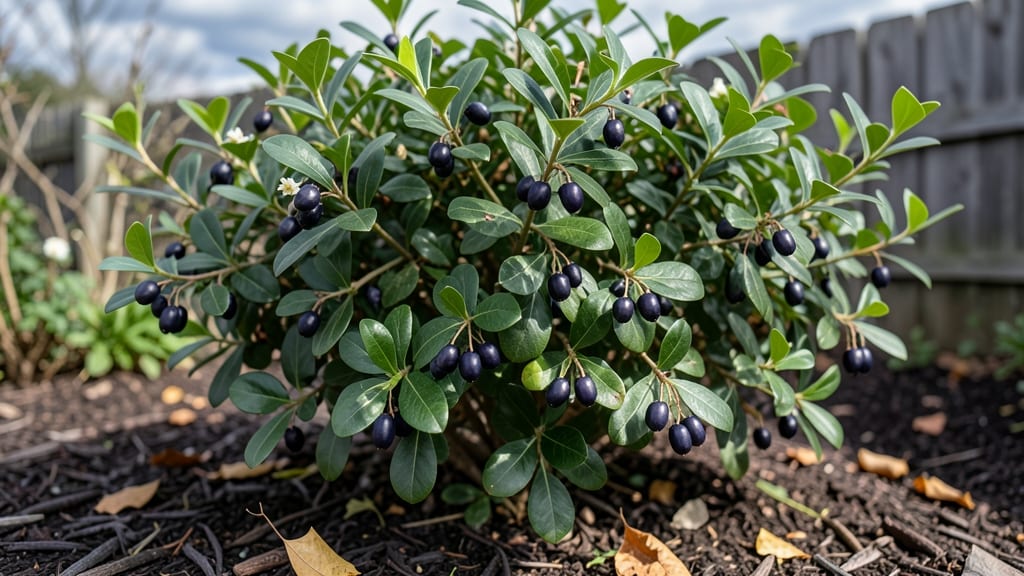
Ligustrum tree berries are poisonous to pets and humans, containing toxic compounds like ligustrin and saponins that trigger severe digestive upset, including vomiting, diarrhea, and weakness. Immediate removal from yards is critical to prevent accidental ingestion.
These glossy black berries may look harmless, but they pack a dangerous punch—especially for curious pets like dogs and cats. 🐾 The ligustrin compounds disrupt cellular function, while saponins irritate the digestive lining, leading to symptoms that can escalate within hours.
Even small amounts can cause drooling, lethargy, or tremors, making swift action essential if exposure occurs. I always recommend pruning ligustrum trees before berries form or installing pet-safe barriers to create a secure outdoor space.
For pet owners, the best defense is prevention: opt for non-toxic alternatives like mock orange or holly varieties that won't harm curious paws. If ingestion happens, never induce vomiting without vet guidance—some cases require activated charcoal or IV fluids. Always keep your emergency vet's number handy during berry season!
💡 In This Article
- Toxic Compounds in Ligustrum Berries and Their Effects
- Safe Removal and Pet-Proofing Ligustrum Trees
Toxic compounds in ligustrum berries and their effects
The ligustrum tree's berries contain a potent cocktail of toxins that trigger physiological reactions in both pets and humans. The primary culprit is ligustrin, a compound that disrupts normal cellular function by interfering with mitochondrial respiration—the process that generates energy in cells.
This leads to widespread fatigue and weakness, as tissues struggle to maintain their energy supply. Saponins, another key toxin, create soapy bubbles when mixed with fluids, which irritate the digestive lining and trigger inflammatory responses.
Dogs and cats are particularly vulnerable due to their smaller body size and higher metabolic rates. A single 5-10 berries can cause symptoms in a 20-pound dog, while cats may react to even smaller amounts because their digestive systems are more sensitive to plant toxins.
Humans typically need to consume 50+ berries before experiencing noticeable effects, but children are at higher risk due to their lower body weight.
The progression of symptoms usually follows a pattern: initial drooling and vomiting within 1-2 hours, followed by diarrhea and abdominal pain, and potentially tremors or seizures in severe cases.
The mechanism behind these reactions involves both direct toxicity and immune system activation. Ligustrin binds to cellular receptors, disrupting normal signaling pathways, while saponins physically damage cell membranes.
In pets, this often manifests as excessive salivation (a classic early warning sign) and lethargy within 30 minutes to 2 hours of ingestion. The berries' glossy appearance makes them particularly tempting to curious animals, but their bitter taste (when chewed) serves as nature's warning system—though many pets ignore this cue.
What makes ligustrum toxicity particularly dangerous is its cumulative effect. While individual berries contain small amounts of toxins, repeated exposure can lead to chronic liver damage. The liver is the primary organ responsible for detoxifying these compounds, but prolonged exposure overwhelms its capacity.
In severe cases, this can progress to hepatic necrosis—the death of liver tissue—which requires immediate veterinary intervention. The berries' hard outer shell also poses a choking hazard for small pets, adding another layer of risk.
Comparing toxicity levels helps put the danger into perspective. For example, a 10-pound cat might experience symptoms from just 3-5 berries, while a 50-pound dog could require 10-15 berries to show signs.
Humans generally have a higher threshold, but children under 10 years old may react similarly to pets due to their developing digestive systems. The key difference lies in body weight and metabolic rate—smaller bodies process toxins more quickly, leading to faster symptom onset.
Understanding these mechanisms helps explain why immediate action is critical. Unlike some plant toxins that cause delayed reactions, ligustrum berries trigger symptoms relatively quickly, giving pet owners a narrow window to intervene.
The bitter taste is often the first clue that something is wrong, but by then, the toxins may already be causing internal damage. This is why prevention—through proper tree maintenance and pet supervision—remains the most effective strategy.
If you suspect your pet has ingested ligustrum berries, time is of the essence. Monitor for symptoms like excessive drooling, vomiting, or lethargy—these are clear indicators that the toxins are taking effect.
Never attempt to induce vomiting without veterinary guidance, as some cases may require activated charcoal or other treatments to bind the toxins before they're absorbed. Always contact your vet or a pet poison hotline immediately, as early intervention can make all the difference. 🚨