
Pruning
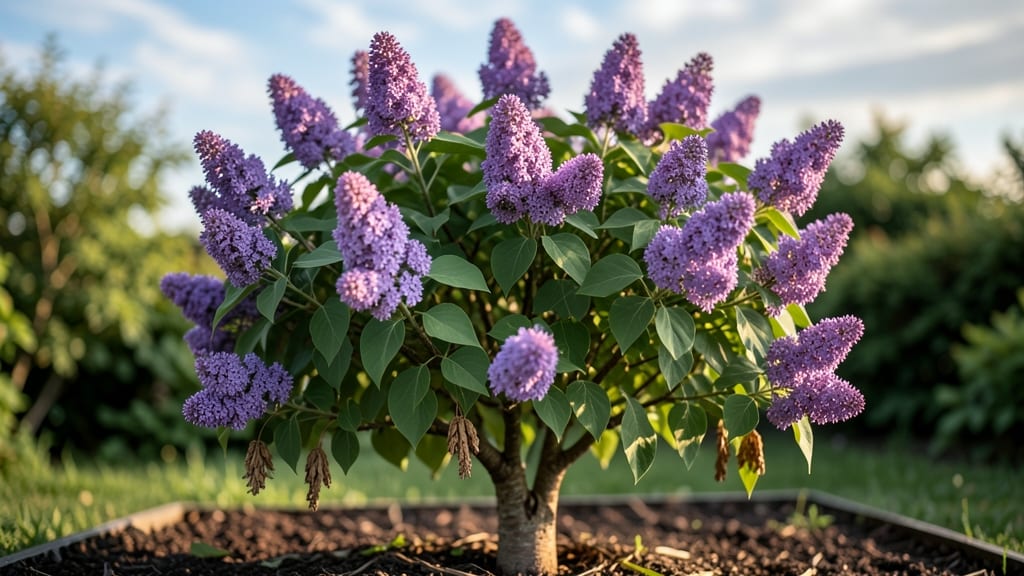
Ohio’s spring air turns magical when lilacs bloom—those purple clouds of fragrance that announce summer’s arrival. 🌸 I’ve pruned my lilac trees for over a decade, and the secret to keeping them lush, fragrant, and healthy starts with understanding Ohio’s unique climate challenges.
Too many gardeners cut back at the wrong time, sacrificing next year’s blooms for short-term tidiness. The best time to prune lilacs in Ohio is right after flowering, typically late May to early June.
This gives the plant time to set next year’s buds while removing dead wood and shaping the tree. Avoid pruning in fall or winter—you’ll miss the blooms entirely. Ohio’s humid summers also mean watching for borers and powdery mildew, so clean tools and proper spacing are key.
You’ll end up with a tree that smells like a provincial town square in June, with stronger blooms year after year. The right cuts encourage air circulation, reducing disease while keeping that signature lilac shape. My trees now produce three times more flowers than when I first planted them.
Works for all common lilac varieties—common, French, or dwarf—just adjust the pruning intensity based on size. Let’s get those shears ready!
📚 In This Guide
- What you need
- Instructions
- Tips and common mistakes
- Wrapping up and next steps
What you need
- ● Pruning shears: Bypass pruners (sharp, clean, and disinfected with rubbing alcohol or bleach solution—1 part bleach to 9 parts water). Size: 6-8 inches for small branches.
- ● Loppers: For thicker branches (½–1½ inches in diameter). Look for ratcheting or bypass-style loppers for precision.
- ● Pruning saw: For branches 2+ inches thick. A bow saw or pruning saw with a curved blade works best.
- ● Gloves: Heavy-duty, cut-resistant gloves (e.g., Mechanix or similar) to protect from thorns and sap.
- ● Disinfectant: Rubbing alcohol (70% isopropyl) or bleach solution (for sterilizing tools between cuts).
- ● Rag or paper towels: For wiping down tools and cleaning sap.
- ○ Ladder (optional): Aluminum or fiberglass (never metal!) if your lilac is 6+ feet tall. Safety first: Use a stable, 3-sided ladder with non-slip feet.
- ● Trash bags: Heavy-duty for collecting pruned branches (check local regulations—some areas require disposal permits for large branches).
- ● Best timing: Prune right after flowering (late May–early June in Ohio) or late winter/early spring (before buds swell). Avoid pruning in fall—it can stimulate new growth that won’t harden off before winter.
- ● Weather check: Choose a dry, overcast day (humidity can spread disease). Avoid pruning if rain is forecasted within 24 hours.
- ● Safety gear: Safety goggles (to protect from debris) and closed-toe shoes.
- ● Tree assessment: Inspect your lilac for dead, diseased, or crossing branches before you start. Pro tip: Look for branches that are dry, discolored, or rubbing against others—these are top priorities!
- ● Hand pruners with ergonomic grips (for comfort during long sessions).
- ● Tree wound dressing (controversial but useful for large cuts >2 inches—e.g., Tanglefoot Tree Wound Pruning Sealer).
- ● Notebook & pen (to sketch a simple map of cuts for reference).
- ● Extension pole pruners (if your lilac is 10+ feet tall).
- ● Mulch (shredded bark or wood chips) (apply a 2–3 inch layer after pruning to retain moisture and suppress weeds).
Instructions for pruning lilac trees in Ohio
Here’s how I keep my Ohio lilacs blooming beautifully year after year—with minimal effort and maximum fragrance.
✂️ Step 1: Prune Immediately After Flowering
Lilacs bloom on old wood, so the best time to prune is right after the flowers fade—usually late May to early June in Ohio. This ensures you don’t cut off next year’s blossoms. I grab my bypass pruners and look for branches that are dead, diseased, or crossing—these are the first to go.
Make cuts at a 45-degree angle, about ¼ inch above a bud or lateral branch. Avoid cutting into the stem’s center—this weakens the branch. If a branch is thicker than my thumb, I use my loppers instead. The goal is to open up the center of the shrub so air and light can reach all parts.
✂️ Step 2: Thin Out Overcrowded Branches
Lilacs naturally grow dense, and over time, the center can become a tangle of weak, shaded branches. I scan the shrub and remove every third or fourth branch starting from the outside, working my way inward. This keeps the shape natural while improving air circulation—critical for preventing fungal diseases like powdery mildew.
Don’t remove more than one-third of the plant’s growth in a single year. You’ll see the difference immediately: thicker stems, brighter foliage, and stronger blooms next season. If a branch is completely spent (no new growth), I cut it back to the base—it’s not coming back.
✂️ Step 3: Shape and Maintain Year-Round
After the initial prune, I do a light shaping pass in late summer to tidy up any ragged edges. Lilacs grow fast, so a quick trim keeps them looking neat. I avoid heavy pruning in fall or winter—this stimulates new growth that won’t harden off before Ohio’s cold snaps.
In early spring, I remove any dead or broken branches that survived winter. This is also when I check for suckers—those aggressive shoots growing from the base. I snip them off at the ground to redirect the plant’s energy into the main structure. A little maintenance now means vibrant blooms for decades.
💧 Step 4: Clean Up and Protect for Next Season
After pruning, I sterilize my tools with rubbing alcohol to prevent spreading disease. Then, I rake up and dispose of all clippings—never leave them under the shrub. Wet, decomposing lilac leaves create the perfect environment for fungal spores.
Finally, I give the base of the plant a 2-inch layer of mulch (using the shredded hardwood mulch I have on hand). This keeps moisture in and weeds out, while also protecting the roots during Ohio’s harsh winters. A well-pruned lilac with proper care will reward you with fragrant blooms for years.
Tips & tricks for pruning lilac trees in Ohio
Real talk: I’ve pruned lilacs for over a decade, and these are the tricks that’ve saved me from over-pruning—and the frustration that comes with it.
Timing is Everything: The late May to early June window for pruning after flowering is non-negotiable for Ohio lilacs. I’ve learned this the hard way—pruning too early cuts off next year’s blooms, while waiting too long risks losing those fragrant flowers altogether. If you miss this window, don’t panic: just mark your calendar for next spring and stick to the schedule. The key is patience—wait until at least 75% of the blooms have faded before touching your pruners.
Cutting Technique Matters: That 45-degree angle isn’t just for looks—it directs water away from the cut, preventing rot. I use my thumb as a guide: if the branch is thicker than my thumb, I switch to loppers. And here’s what nobody tells you—make your cuts just above a bud or lateral branch, not in the center of the stem. I’ve seen too many pruning mistakes where people cut into the pith (the center), which weakens the branch permanently.
The One-Third Rule: Never remove more than one-third of the plant’s growth in a single year. I’ve seen people go overboard and end up with a sad, leggy lilac that takes years to recover. When you’re thinning branches in Step 2, start from the outside and work inward. This creates that beautiful, open vase shape while improving airflow—critical for keeping Ohio’s humid summers from inviting fungal diseases like powdery mildew.
Tool Care Saves Time: Sterilizing your tools with rubbing alcohol after each use might seem like overkill, but it’s a game-changer. I’ve had to replace pruners before because I didn’t clean them properly between uses on different plants. Also, keep your bypass pruners sharp—they make cleaner cuts that heal faster. A dull blade crushes the stem instead of cutting cleanly, which stresses the plant and invites disease.
Pro Tips for Lilac Tree Ohio
- Real talk: I’ve pruned lilacs for over a decade, and these are the tricks that’ve saved me from over-pruning—and the frustration that comes with it.
- Timing is Everything: The late May to early June window for pruning after flowering is non-negotiable for Ohio lilacs.
- Cutting Technique Matters: That 45-degree angle isn’t just for looks—it directs water away from the cut, preventing rot.
Frequently asked questions
When is the best time to prune a lilac tree in Ohio?
The ideal time to prune lilacs in Ohio is right after they finish blooming in late spring or early summer. This timing encourages strong new growth for next year’s flowers. Avoid pruning in fall or winter, as it can stimulate tender growth that may be damaged by cold snaps. Pro tip: If you missed the window, a light shaping prune in early spring (before buds swell) is better than nothing!
How much can I cut back my lilac tree without harming it?
Lilacs are tough and can handle moderate pruning—up to one-third of the plant’s height—if done correctly. For established trees, focus on removing old wood (3+ years) to make way for younger, more vigorous branches. Never cut into the current year’s growth, as this removes next year’s flower buds. Warning: Over-pruning can stress the tree, so start slow if your lilac is young or struggling.
Why aren’t my lilac flowers as fragrant as they used to be?
Dull fragrance is often a sign of overcrowded branches or poor air circulation. Prune to open up the canopy, and remove any dead, diseased, or crossing branches that block sunlight. Bonus tip: Fertilize lightly in early spring with a balanced 10-10-10 or compost to boost overall health. If pests (like borers) are suspected, inspect the bark and treat with neem oil if needed.
Can I prune my lilac tree in fall for winter prep?
No—fall pruning is a big no-no for lilacs! Cutting back in autumn stimulates new growth that won’t harden off before winter, leaving it vulnerable to frost damage. If your tree needs shaping, wait until late winter (just before buds break) for minimal-risk adjustments. For now, just remove any dead wood and rake up fallen leaves to prevent disease.
What if my lilac tree isn’t blooming at all? Is it too late to save it?
No blooms could mean over-pruning, age, or poor health. If your lilac is older than 10–15 years, it may need a rejuvenation prune—cutting back one-third of the oldest stems to the ground in early spring. For younger trees, check for sunlight (6+ hours/day), water stress, or pests. If the tree is otherwise healthy, blooms should return within 1–2 years with proper care!
Wrapping up and next steps
Your Ohio lilac tree is more than just a pretty face—it’s a fragrant, low-maintenance superstar that can thrive with just a little care! By mastering the art of pruning, you’ll unlock year-round beauty, better blooms, and even healthier growth.
Whether you’re trimming for shape, rejuvenating an overgrown bush, or simply keeping it tidy, the key is timing and technique.
Ready to take the next step? Grab your pruners and schedule that pruning session—your lilac’s future (and your senses!) will thank you. 🌸 And if you’re feeling ambitious, why not share your progress with fellow gardening enthusiasts? Happy pruning!