
Container Gardens
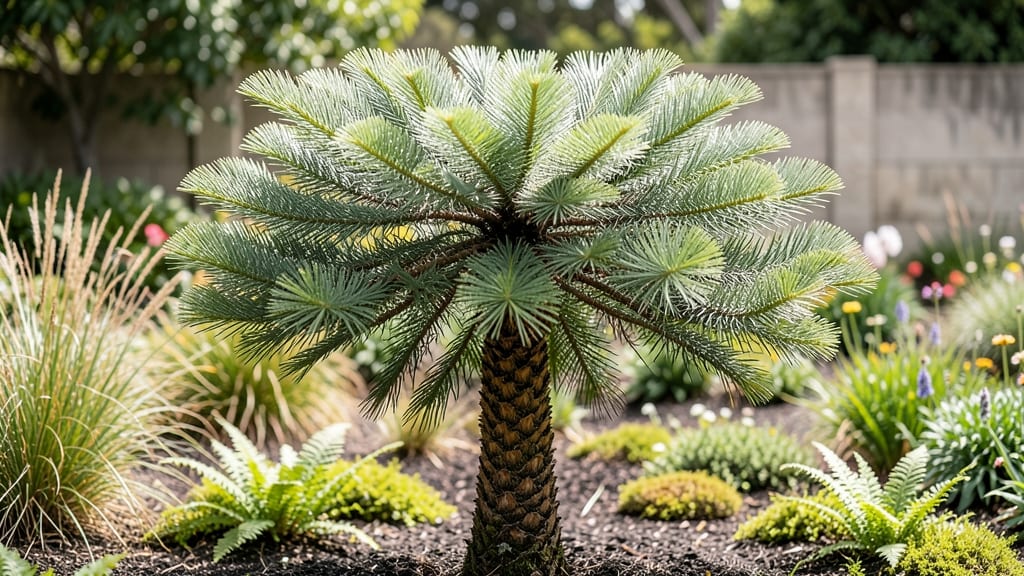
Growing a live pine tree in a pot turns your balcony into a miniature forest. 🌲 I've kept dwarf pines thriving for years by mimicking their natural mountain habitat—just with the right soil, water, and sunlight balance.
The key isn't complicated: it's about understanding what these slow-growing trees actually need to stay healthy indoors or out.
Start with a well-draining mix of potting soil, perlite, and sand (or cactus mix) to prevent soggy roots—the #1 killer of potted pines. Most dwarf varieties like 'Mugo' or 'Pugio' stay happy in 5-10 gallon containers, while larger pines need deeper pots with drainage holes.
Water only when the top inch feels dry, and always use room-temperature water to avoid shocking the roots.
Place your potted pine where it gets morning sun and afternoon shade—too much direct sun scorches the needles, while too little causes sparse growth.
With proper care, you'll see fresh green needles year-round, and the tree will grow just 3-6 inches annually, making it perfect for small spaces that need evergreen beauty without the yard.
Seasonal checks are simple: fertilize lightly in spring with slow-release pine fertilizer, prune only to shape (never to "thin"), and watch for pests like spider mites. The payoff? A fragrant, textured centerpiece that stays lush even when other plants fade. Here's how to keep yours thriving for decades.
📚 In This Guide
- What you need
- Instructions
- Tips and common mistakes
- Wrapping up and next steps
What you need
- ● Pine tree sapling: Choose a young, healthy Pinus species (e.g., Pinus mugo or Pinus thunbergii) with a root ball or bare root. Size: 1–3 feet tall, depending on desired maturity.
- ● Container: A pot with drainage holes (minimum 12–18 inches in diameter for dwarf varieties; larger for standard pines). Materials: Terracotta, ceramic, or plastic.
- ● Well-draining potting mix: 70% inorganic material (perlite, pumice, or coarse sand) + 30% organic matter (peat moss or coconut coir). Avoid garden soil—it compacts and retains too much moisture!
- ● Drainage layer: 2–3 inches of gravel, expanded clay pebbles, or broken pottery shards at the pot’s base.
- ● Watering can or hose with a gentle spray nozzle: Pines dislike soggy roots.
- ● Pruning shears: Sharp, clean pair for shaping and trimming (sterilize with rubbing alcohol between cuts).
- ● Fertilizer: Slow-release, acid-loving plant fertilizer (e.g., 10-10-10 or pine-specific formula). Apply sparingly—once in early spring and again in mid-summer.
- ● Mulch: Pine bark or wood chips to retain moisture and regulate soil temperature.
- ● Pine tree food: Liquid iron or chelated iron supplement to prevent yellowing needles (common in containers).
- ● Pot feet or saucer: To protect surfaces and catch excess water.
- ● Grow lights: If indoors, a full-spectrum LED grow light (12–14 hours/day) to compensate for low light.
- ● Insecticide (neem oil or horticultural oil): For pest prevention (e.g., spider mites or aphids).
Step-by-step instructions for growing a live pine tree in a pot
Here's how to keep your pine tree thriving in containers for years—no green thumb required.
🪴 Step 1: Choose the Right Pot and Drainage
Select a container that's at least 12 inches deep and 18 inches wide for the first 3-5 years, since pine roots spread widely. I always opt for pots with drainage holes—pines hate soggy roots. If your chosen pot lacks holes, drill 3-4 ½-inch holes in the bottom and cover them with landscape fabric to prevent soil from washing out.
Line the pot's bottom with 2-3 inches of gravel or broken pottery shards to create a reservoir for excess water. This prevents root rot while keeping moisture available. I use unglazed terra cotta because it breathes better than plastic, but any container with proper drainage works. The pot should be 2-3 inches wider than the root ball of your pine tree to allow room for growth.
🌱 Step 2: Prepare the Soil Mix for Potted Pines
Pines need well-draining, acidic soil with a pH between 4.5 and 6.0. I blend 60% pine bark fines, 30% peat moss, and 10% perlite or coarse sand to create the perfect mix. This combination prevents compaction while holding enough moisture without suffocating roots.
Fill the pot ⅓ full with your mix, then tap the sides gently to settle the soil. Avoid compacting it—pine roots need air pockets to thrive. If you're repotting an existing pine, gently loosen the root ball before placing it in the pot. This encourages outward growth rather than circling roots that can strangle the tree.
☀️ Step 3: Plant and Position for Optimal Growth
Place your pine tree in the pot and backfill with the remaining soil mix, pressing lightly around the edges to remove air pockets. Leave a 1-inch gap between the soil surface and the pot's rim—this prevents overflow during watering. Water thoroughly until water runs out the drainage holes, then let the tree drain completely.
Position your potted pine in full sun for at least 6 hours daily. A south- or west-facing spot works best, but east-facing windows also work if you supplement with a grow light during winter. Watch for needles turning yellow or brown—this signals too much sun or wind. If you notice this, move the tree to a slightly shaded spot for a few hours each day.
💧 Step 4: Water and Fertilize for Long-Term Health
Water your pine tree when the top 2 inches of soil feel dry to the touch. I use a moisture meter to check—pines prefer slightly dry conditions over soggy soil. During the first year, water deeply once a week, but adjust based on your climate. In hot, dry weather, you may need to water every 4-5 days, while cooler months might extend this to every 10 days.
Fertilize in early spring with a slow-release, acidic fertilizer designed for evergreens. I use a 14-14-14 blend at half strength to avoid burning the roots. Avoid fertilizing in fall or winter—pines go dormant and don't need extra nutrients. Yellowing needles in spring often mean it's time to fertilize, but brown needles usually indicate overwatering or poor drainage.
✂️ Step 5: Prune and Maintain Year-Round
Prune your pine tree in late winter or early spring to shape it and remove dead branches. Use clean, sharp pruners to make cuts just above a healthy bud or branch collar. Never remove more than 25% of the tree's foliage at once—this stresses the tree. I focus on removing brown or damaged needles and any branches growing inward or crossing others.
Check for pests like spider mites or aphids every few weeks, especially in dry weather. Wipe needles with a damp cloth to remove dust, which can clog stomata and reduce growth. In late fall, apply a 2-inch layer of pine bark mulch around the base to insulate roots and retain moisture. This simple step keeps your pine tree looking lush and healthy through winter.
Tips & tricks for perfect potted pine tree care
Here's what I've learned after keeping potted pines thrive for years—avoid these common mistakes and watch your tree flourish.
Pot Size Matters: That 12-inch deep pot isn't just a suggestion—it's essential for the first 3-5 years. Pine roots spread horizontally, not downward, so wider is always better than deeper. If you're tempted to use a smaller pot to save space, resist! Crowded roots lead to stunted growth and poor health. I've seen pines in undersized pots develop twisted roots that strangle themselves over time.
Soil Mix Secrets: The 60-30-10 blend of pine bark fines, peat moss, and perlite isn't just arbitrary—it's science. The pine bark creates air pockets, peat moss holds moisture, and perlite prevents compaction. Pro tip: If you can't find peat moss, substitute with coconut coir. And always test your soil pH—pines won't thrive if it's above 6.0. I keep a small pH test kit handy and adjust with sulfur if needed.
Sunlight Strategy: Those 6 hours of daily sun are non-negotiable, but here's what nobody tells you: morning sun is gentler than afternoon sun. If you notice yellowing needles, it's often from too much intense afternoon sunlight. Try moving your pot to a spot where it gets morning sun and afternoon shade. In winter, supplement with a simple grow light for 4-5 hours daily—it makes all the difference during short days.
Watering Wisdom: The "top 2 inches dry" rule works, but here's how to implement it perfectly: use a chopstick or wooden skewer to check soil moisture. Push it in—if it comes out clean, it's time to water. If it's damp, wait another day. I've ruined pines by overwatering, and the key symptom is brown needles that don't fall off (unlike yellowing from sunlight). Always water until it runs out the drainage holes—this ensures the roots get properly hydrated.
Pro Tips for Live Pine Tree In A Pot
- Here's what I've learned after keeping potted pines thrive for years—avoid these common mistakes and watch your tree flourish.
- Pot Size Matters: That 12-inch deep pot isn't just a suggestion—it's essential for the first 3-5 years.
- Soil Mix Secrets: The 60-30-10 blend of pine bark fines, peat moss, and perlite isn't just arbitrary—it's science.
Frequently asked questions
Got questions about keeping a live pine tree thriving in a pot?
You’re not alone! Here are answers to the most common concerns—from placement to pests—so you can enjoy your evergreen beauty all year round.
What’s the best temperature range for a potted pine tree?
Pine trees love cool but not freezing conditions—ideal temps are 50–75°F (10–24°C). Avoid extreme heat (above 85°F/29°C) or cold drafts (below 40°F/4°C), which can stress the tree. If indoors, place it near a window with indirect light or use a grow light in winter. Pro tip: A thermometer near the pot helps monitor conditions!
How often should I water my potted pine tree?
Water when the top 1–2 inches of soil feel dry (about once a week in summer, every 10–14 days in winter). Overwatering is the #1 killer—pines hate soggy roots! Use a pot with drainage holes and a well-draining soil mix (like 50% pine bark, 30% peat moss, 20% perlite). Test the soil: Stick your finger in—if it’s dry, it’s time!
What pests should I watch for, and how do I treat them?
Common pests include spider mites, aphids, and bark beetles. Signs: Yellow needles, sawdust-like frass, or tiny webs. Treat early with neem oil (mix 1 tbsp per quart of water) or insecticidal soap. For severe infestations, prune affected branches and isolate the tree. Prevent pests: Keep the area clean and avoid over-fertilizing!
Can I keep a potted pine tree indoors long-term?
Yes, but it needs bright, indirect light (like an east or north-facing window) and fresh air (open windows or a fan). Growth may slow indoors, so rotate the pot monthly for even light exposure. If needles turn brown, it’s likely low humidity—try a pebble tray with water or a humidifier. Outdoor option: Move it to a shaded patio in summer!
What’s the best alternative if my pine tree isn’t thriving?
If your pine struggles with light, space, or care, try these low-maintenance evergreen alternatives for pots:
- Dwarf Alberta Spruce – Cold-hardy and compact.
- Japanese Garden Juniper – Drought-tolerant and slow-growing.
- Boxwood – Thrives in shade and can be pruned into shapes.
- Dwarf Blue Atlas Cedar – Hardy and aromatic!
Need a quick fix? Opt for a pre-bonsaied pine or a Norfolk Island pine (a tropical alternative that’s easier indoors).
Wrapping up and next steps
Bringing a live pine tree in a pot into your space is a fantastic way to enjoy nature’s beauty year-round—without the hassle of outdoor maintenance! 🌲 Whether you’re a seasoned gardener or a beginner, these evergreens thrive with the right care, adding freshness and charm to patios, balconies, or cozy corners.
With proper sunlight, drainage, and occasional TLC, your pine tree will reward you with lush, fragrant foliage for seasons to come.
Ready to green up your space? Start by picking the perfect pine variety for your climate and container, then follow the steps above to plant and nurture it. Your next step? Grab a pot, choose your tree, and get growing—you’ve got this! 🌟