
Pruning
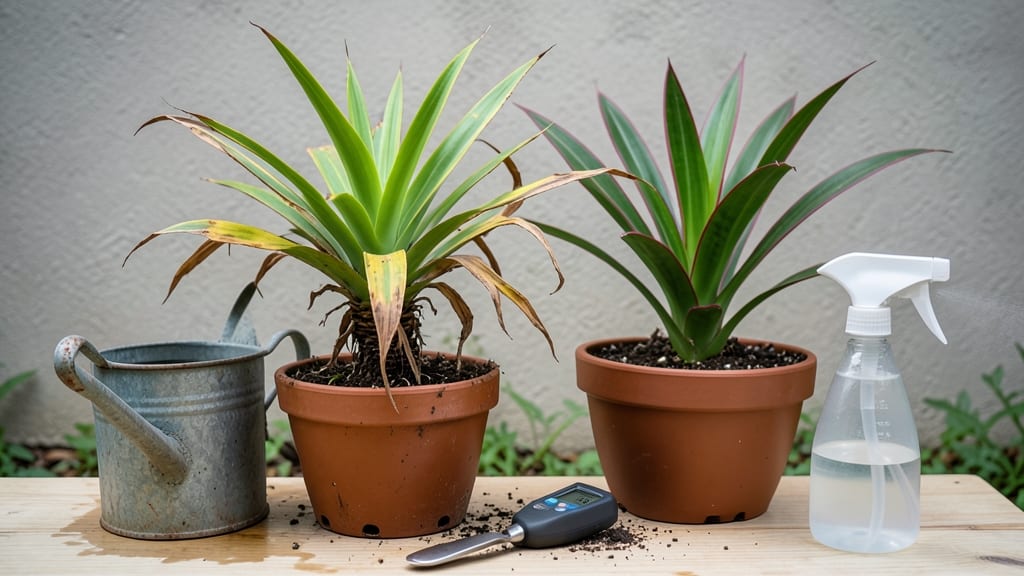
Your Madagascar dragon tree might be dying, but the good news is it’s often fixable. 🌱 The three most common killers—overwatering, pests, and light issues—have simple solutions that can bring it back to life.
I’ve nursed back more than my fair share of these plants, and the key is acting fast before the damage spreads.
Start by checking the soil: if it’s soggy or smells musty, you’re overwatering. Let the top 2-3 inches dry out completely before watering again. Yellowing leaves often mean too much water, while crispy brown tips usually signal dry air or under-watering.
Pests like spider mites or mealybugs hide on the undersides of leaves—wipe them off with soapy water if you spot them.
Light is the game-changer. These plants thrive in bright, indirect light but can tolerate low light—just not for long. If the leaves are pale or stretching, move it closer to a window.
A sudden change in light can also shock the plant, so adjust gradually. With these fixes, you’ll see new growth within a few weeks, and those signature red-edged leaves will return.
Once you’ve addressed the immediate issues, focus on prevention: water less in winter, dust the leaves regularly, and avoid drafts. The dragon tree is a resilient survivor—give it the right care, and it’ll reward you with years of striking, low-maintenance beauty. Let’s get it thriving again!
📚 In This Guide
- What you need
- Instructions
- Tips and common mistakes
- Wrapping up and next steps
What you need
- ● Pruning shears or sharp bypass pruners – Sterilized (70% isopropyl alcohol or bleach solution) to prevent disease transfer. Size: Small to medium (4–6 inches), with sharp, stainless-steel blades.
- ● Rubbing alcohol (70% or higher) or hydrogen peroxide (3%) – For sterilizing tools between cuts.
- ○ Disposable gloves – Optional but recommended to protect hands from sap and bacteria.
- ● Small container or bucket – For collecting pruned cuttings (if propagating). Size: 1–2 gallons, with water.
- ○ Rooting hormone (optional but helpful) – For cuttings. Choose a gel or powder labeled for succulents/dracaenas.
- ● Well-draining potting mix – If repotting. Mix 1 part cactus/succulent soil with 1 part perlite or pumice for aeration.
- ● New pot (if repotting) – Size: 1–2 inches larger in diameter than the current pot, with drainage holes.
- ● Identify dead/dying branches – Look for brown, mushy, or hollow stems (no green center when cut open = dead).
- ● Water the plant 1–2 days prior – Ensures soil is slightly moist (not soggy) for easier cutting and less stress.
- ● Clear a workspace – Lay down newspaper or a tarp for easy cleanup.
- ● Check light conditions – Ensure your Dragon Tree is in bright, indirect light (direct sun can stress it post-pruning).
How to revive a dying Madagascar dragon tree
Here’s how I’ve nursed back multiple struggling dragon trees—focus on these three key fixes first.
🌱 Step 1: Check and Adjust Watering Habits
Madagascar dragon trees (Dracaena marginata) hate soggy roots but also can’t tolerate bone-dry soil. Stick your finger 1-2 inches deep—if it feels dry, water thoroughly until moisture runs from the drainage hole. If it’s still damp, wait 3-5 more days before checking again.
Overwatering is the #1 killer, so I always use a pot with drainage holes. If yours doesn’t, repot immediately—root rot spreads fast and turns leaves yellow before killing the plant. After watering, empty the saucer to prevent the roots from sitting in standing water.
✂️ Step 2: Prune Damaged Leaves and Encourage New Growth
Snip off any brown, crispy, or blackened leaves at the base with clean, sharp pruners. Healthy leaves should be firm and deep green—if yours look mushy or have dark spots, that’s a sign of overwatering. Remove only the dead parts; never cut into healthy tissue.
For severely stressed plants, trim 1/3 of the oldest leaves to redirect energy to new growth. You’ll see fresh leaves emerging from the top within 4-6 weeks if the roots are still healthy. Avoid fertilizing during this time—your plant needs to recover first.
☀️ Step 3: Optimize Light and Humidity Conditions
Dragon trees thrive in bright, indirect light—a spot near an east or west window is ideal. If leaves are stretching toward the light (called "etiolation"), move it closer to the window or supplement with a grow light for 12-14 hours daily. Too little light causes weak growth, while direct afternoon sun scalds leaves.
Boost humidity by grouping plants together or placing the pot on a tray of pebbles and water (ensure the pot isn’t sitting in water). Mist leaves 2-3 times weekly in dry climates, but avoid wetting the soil—fungus thrives in damp foliage. Brown leaf tips? That’s a humidity warning sign.
🌿 Step 4: Repot if Roots Are Circling or Soil Is Depleted
Gently remove the plant from its pot and inspect the roots. If you see tightly packed, circling roots or soil that’s compacted and dry, it’s time to repot. Choose a container 2 inches wider than the current one—bigger isn’t better, as excess soil stays damp too long.
Use fresh, well-draining potting mix (a blend of peat, perlite, and orchid bark works well). After repotting, water lightly and place the plant in medium light for a week to reduce stress. New roots should appear within 6-8 weeks if the plant’s core is still healthy.
Tips & tricks for reviving a struggling Madagascar dragon tree
Real talk: I've had to nurse back more than a few sad-looking dragon trees, and these are the tricks that actually work. The difference between a plant that recovers and one that doesn't often comes down to these small but critical details.
Soil Test First: Before you water again, do this quick test: Stick your finger 1-2 inches deep into the soil. If it feels damp, wait—don't water! I learned this the hard way after losing a plant to root rot. The 3-5 day waiting period is harder than you think, but it's what keeps your dragon tree alive. For extra peace of mind, use a moisture meter if you're really struggling with the "wait and see" approach.
Pruning Precision: When you're trimming those brown leaves in Step 2, be surgical about it. Cut cleanly at the base where the leaf meets the stem—don't leave any stubs. I used to make the mistake of cutting too close to healthy tissue, which stresses the plant. For severely damaged plants, focus on removing only the oldest third of leaves. This might seem drastic, but it's what gives your dragon tree the energy to grow new, vibrant leaves within those 4-6 weeks.
Lighting Strategy: That 12-14 hours of grow light recommendation isn't just about duration—it's about consistency. If your plant is stretching toward the light (etiolation), move it closer to the window or adjust the grow light position. I place mine about 6 inches away from the light source. For best results, position the light so it covers the entire plant evenly. And remember, morning light is gentler than afternoon sun—if you're using natural light, east-facing windows are your friend.
Repotting Rescue: If you're repotting because of circling roots, here's what nobody tells you: The new pot should be just 2 inches wider, not dramatically bigger. I've seen people double the pot size, thinking "bigger is better," but that just creates more soil that stays damp too long. After repotting, give your plant a week in medium light to recover before moving it back to its bright spot. This recovery period is when new roots actually start forming—those 6-8 weeks might feel long, but trust the process.
Pro Tips for Madagascar Dragon Tree Dying
- Real talk: I've had to nurse back more than a few sad-looking dragon trees, and these are the tricks that actually work.
- Soil Test First: Before you water again, do this quick test: Stick your finger 1-2 inches deep into the soil.
- Pruning Precision: When you're trimming those brown leaves in Step 2, be surgical about it.
Frequently asked questions
Got questions about saving your struggling Dracaena marginata (Madagascar Dragon Tree)?
You’re not alone—these spiky beauties can be finicky, but with the right care, they bounce back! Here are the most common concerns and quick fixes to get your dragon tree thriving again.
Why is my Madagascar Dragon Tree dropping leaves so fast?
Rapid leaf drop usually signals underwatering or overwatering. Check the soil—if it’s bone-dry or soggy, adjust your watering schedule. Dragon Trees prefer well-draining soil and water only when the top 2-3 inches are dry. Yellowing leaves = overwatering; crispy brown edges = underwatering. Prune dead leaves to redirect energy to new growth!
How often should I water a dying Madagascar Dragon Tree?
Watering depends on your climate, but a general rule is every 2-3 weeks in spring/summer and every 4-6 weeks in winter. Stick your finger 2 inches into the soil—if it’s dry, water thoroughly until it drains from the bottom. Never let it sit in standing water, as root rot is a silent killer. A well-draining pot with holes is a game-changer!
Can I prune a Madagascar Dragon Tree to save it?
Pruning is your best friend when reviving a struggling dragon tree. Cut back dead, yellow, or brown fronds at the base with clean, sharp shears. You can also propagate these cuttings in water or soil to grow new plants. For overgrown or leggy trees, trim just above a leaf node to encourage bushier growth. Focus on the 3 critical cuts mentioned in our guide!
Is my Madagascar Dragon Tree dying because of temperature or light?
Dragon Trees thrive in bright, indirect light (like near a window but not in direct sun). If leaves are bleached or scorched, move it away from harsh sunlight. On the flip side, low light causes sparse growth and weak stems. Keep temps between 65–80°F (18–27°C)—avoid drafts, AC vents, or cold windows. Yellow leaves near the bottom? It’s often natural aging, but if new leaves are also weak, adjust light or humidity!
What can I do if my Madagascar Dragon Tree has brown tips?
Brown tips are usually a sign of low humidity or fluoride in tap water. Try these fixes:
- Mist leaves 2–3 times a week or place a humidity tray nearby.
- Use filtered or distilled water to avoid chemical buildup.
- Trim the brown tips with sterilized scissors to prevent spread.
- Wipe leaves with a damp cloth to remove dust (they breathe through pores!).
With these tweaks, your dragon tree should perk up in 4–6 weeks!
Can I revive a Madagascar Dragon Tree with only stems?
Yes! If your dragon tree is completely leafless but has healthy stems, you can propagate it:
- Cut a 4–6 inch stem just below a leaf node.
- Place it in water or moist perlite (keep it humid!).
- Wait 2–4 weeks for roots to form, then transplant to soil.
New leaves should sprout in 3–6 months. Pro tip: Use a rooting hormone to speed up growth!
Wrapping up and next steps
Your Madagascar Dragon Tree may be fighting back, but with the right care—especially those critical cuts—it can thrive again! Remember, proper pruning, watering, and light adjustments are your best tools. 🌿 Don’t wait for signs of distress to act; preventative care keeps your plant healthy and vibrant.
Ready to give your dragon tree a second chance? Start by assessing its needs today—trim those brown tips, adjust its home, and watch it flourish! 🌱