
Trees
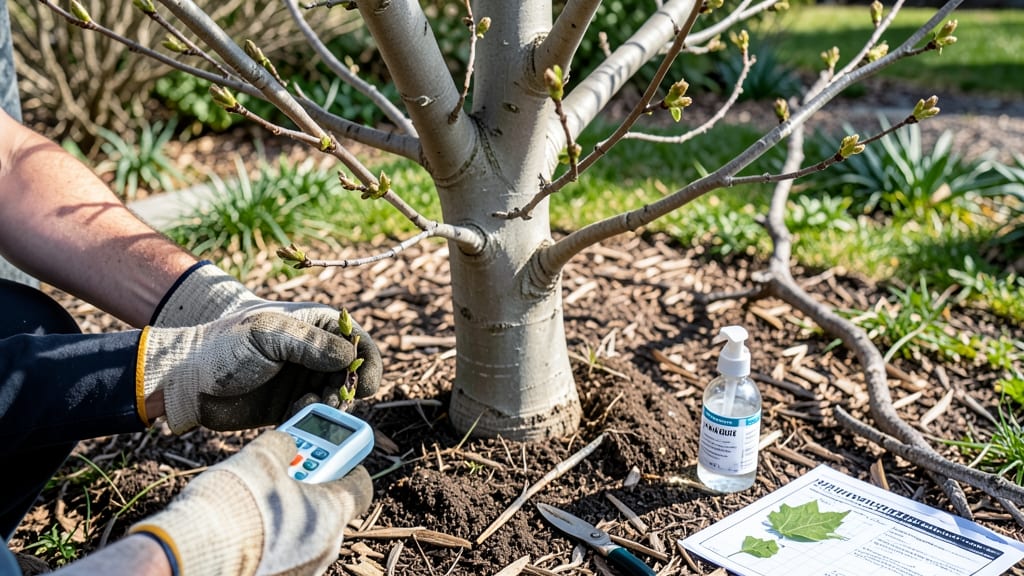
Your maple tree not growing leaves in spring? That bare-branched look might mean root stress or winter damage—but don't panic. 🌱 I've helped revive maples with simple checks that reveal hidden problems before they become permanent. The key is understanding what's really going on below the soil line.
Most leaf-less maples suffer from one of three issues: root damage from last winter's freeze-thaw cycles, fungal infections hiding in the bark, or pests like borers feeding unseen. The good news? You can spot these with just your hands and a sharp eye—no fancy tools needed.
We'll start by checking the bark for cracks or oozing sap, then move to the soil for moisture clues.
By the end of this, you'll know exactly what's holding your tree back and how to fix it—whether it's a deep watering, targeted pruning, or a simple soil boost.
Maple trees are tougher than they look, and with the right care, you'll see those signature leaves unfurling by mid-May. Let's get those roots working again.
This works for sugar maples, red maples, and silver maples alike, whether your tree is young or established. The secret is acting fast—spring is the best time to turn things around before summer heat sets in. Ready to diagnose?
Root Causes Of Bare Branches
When your maple tree refuses to sprout leaves in spring, the problem often traces back to underlying stress or damage. Understanding these causes is the first step to reviving your tree’s health.
Below, we break down the most common reasons—each with clear explanations and actionable insights to help you diagnose and address the issue.
Maple trees rely on dormant buds to kickstart leaf growth in spring. If a late frost hits after these buds swell but before leaves unfurl, the delicate tissue can freeze and die. This is especially common in red maples and silver maples, which are more frost-sensitive.
🔍 How to spot it:
- Bud clusters appear brown, mushy, or shriveled instead of plump and green.
- Leaves may emerge stunted or deformed if buds partially survive.
- New growth is delayed by 2–4 weeks compared to healthy trees.
💡 What to do:
- Protect buds with frost cloth if late frosts are forecasted in your zone (USDA Zones 5–7 are high-risk).
- Apply a thin layer of mulch (2–3 inches) around the base to insulate roots and regulate soil temperature.
- If damage is severe, prune dead branches in late winter to encourage new growth from healthy buds.
Maple trees are deep-rooted and demand well-draining, slightly acidic soil (pH 6.0–7.5). When roots struggle—whether from compacted soil, poor drainage, or nutrient deficiencies—they can’t efficiently transport water and nutrients to the buds. This starves the tree, halting leaf production.
📊 Common soil-related triggers:
Issue
Signs in the Tree
Solution
Compacted Soil
Slow growth, yellowing leaves (chlorosis), roots growing near the surface.
Loosen soil with a deep aeration tool or plant cover crops (like clover) to improve structure.
Waterlogged Roots
Leaves wilt even when soil is wet; roots appear gray and mushy.
Amend soil with compost or sand to improve drainage. Consider raising the tree’s root zone with gravel.
Nitrogen Deficiency
Pale yellow leaves (older leaves first), weak stems, stunted buds.
Apply a slow-release nitrogen fertilizer (like 10-10-10) in early spring, or use composted manure.
💡 Pro Tip: Test your soil with a home kit (or send a sample to a local extension office) to pinpoint exact deficiencies. Maple trees also benefit from micronutrients like zinc and iron—look for a chelated fertilizer if chlorosis persists.
Invasive pests and pathogens can consume or infect the buds and roots before leaves emerge, leaving your maple tree looking like a skeleton in spring. Common culprits include:
- Aphids & Scale Insects: Suck sap from buds, causing them to desiccate and drop.
- Japanese Beetles: Chew on new leaf tissue, preventing full expansion.
- Root-Rotting Fungi (e.g., Armillaria): Decay roots, cutting off water/nutrient flow.
- Verticillium or Phytophthora Wilt: Clog xylem vessels, leading to brown, crinkled leaves or no leaves at all.
🔍 How to identify:
- Check buds for sticky residue (honeydew) or black sooty mold (aphid sign).
- Look for chewed edges on emerging leaves (beetles).
- Dig near the trunk—mushy, discolored roots or fungal growth at the base indicate rot.
🛡️ Treatment options:
- For insects: Spray buds with neem oil or insecticidal soap in early spring. Introduce ladybugs or parasitic wasps for natural control.
- For fungal diseases: Apply a copper fungicide (like Copper Sulfate) or phosphite-based treatment (e.g., Subdue) to the soil and trunk.
- For severe root rot: Remove infected roots and treat with beneficial fungi (e.g., Mycorrhizal inoculants). In extreme cases, root grafting or tree replacement may be needed.
Even without pests or disease, physical damage or environmental shocks can halt leaf production. Maple trees are resilient but can be topped out by:
- Heavy pruning in late winter: Removing too many branches overwhelms the tree’s energy reserves, delaying spring growth.
- Construction or soil disturbance: Damaging roots with excavation, pavement, or heavy foot traffic disrupts nutrient uptake.
- Extreme drought or flooding: Stress from waterlogged or parched soil forces the tree into survival mode, prioritizing root repair over leaf growth.
- Animal damage (e.g., deer rubbing, beavers girdling): Physical injury to the trunk or roots can sever vascular tissue, blocking sap flow.
🚨 Red flags:
- Bark strips or scars on the trunk.
- Soil around the base is uneven or cracked.
- Leaves appear wilted or scorched despite adequate water.
🛠️ Recovery steps:
- If pruning was the issue, avoid heavy cuts in late winter—stick to summer pruning for maples.
- For root damage, mulch heavily (4–6 inches) and water deeply to encourage regrowth.
- Protect the trunk with tree guards or fencing to deter
Reviving Your Maple Tree’s Growth
When your maple tree refuses to sprout leaves in spring, panic isn’t the answer—action is! The good news? Most issues are fixable with the right approach. Below, we’ve mapped out practical solutions tailored to the most common causes, from nutrient deficiencies to environmental stress.
Follow these steps to nurse your tree back to health and prevent future setbacks.
If your tree lacks essential nutrients, it may struggle to produce leaves. Here’s how to correct the imbalance:
🔥 Add Organic Fertilizer
Maple trees thrive with a balanced diet. Use a slow-release, organic fertilizer (like compost or a 10-10-10 NPK blend) in early spring.
Spread it evenly around the root zone, avoiding direct contact with the trunk. - Pro Tip: 💡 Mix in worm castings or aged manure for a nutrient boost without burning roots.
🍳 Soil Test First Before fertilizing, test your soil’s pH and nutrient levels.
Maple trees prefer slightly acidic to neutral soil (pH 6.0–7.5). - How to Test: Purchase a DIY soil kit or send a sample to a local extension office. - Adjust pH: If too alkaline, add sulfur; if too acidic, use lime.
🥗 Target-Specific Deficiencies
- Iron (Yellow Leaves): Apply chelated iron or sprinkle iron sulfate around the base.
- Nitrogen (Pale Leaves): Use blood meal or fish emulsion for a quick green-up.
Harsh weather or poor growing conditions can stall leaf growth. Take these steps to create a healthier environment:
🌞 Improve Sunlight Exposure
Maple trees need full sun (6+ hours/day). If shaded by buildings or taller trees:
- Prune nearby obstructions carefully to avoid damaging branches.
- Thin out dense foliage to allow light penetration.
💧 Adjust Watering Habits
Overwatering or drought stress can shock roots. Maple trees prefer deep, infrequent watering.
- Check Soil Moisture: Stick your finger 2–3 inches deep—water if dry.
- Mulch Properly: Apply 3–4 inches of mulch (wood chips or bark) to retain moisture and regulate temperature.
❄️ Protect from Late Frosts
Frost damage can delay bud break. If spring frosts are forecasted:
- Cover young trees with frost cloth.
- Avoid pruning in late winter—wait until after buds swell.
Pests like aphids or diseases like Verticillium wilt can drain a tree’s energy. Act fast to restore health:
🐜 Identify the Culprit
- Aphids/Scale: Look for sticky residue (honeydew) or tiny insects on buds.
- Fungal Issues: Check for black streaks (wilt) or powdery mildew on stems.
- Boring Insects: Tap branches—hollow sounds may indicate larvae inside.
🚫 Remove Infestations
- Aphids: Spray with neem oil or soapy water (1 tsp dish soap per gallon).
- Fungal Diseases: Apply copper fungicide or baking soda spray (1 tbsp baking soda + 1 quart water + a drop of soap).
- Severe Cases: Consult an arborist for systemic treatments like systemic fungicides.
🌿 Prune Damaged Areas
- Remove dead/diseased branches with sterilized pruners (wipe with rubbing alcohol).
- Seal cuts with pruning sealant to prevent infections.
Once your tree recovers, keep it thriving with these proactive steps:
- 🌱 Mulch Annually: Refresh mulch in early spring to lock in nutrients.
- 💧 Deep Water Monthly: Encourage deep root growth during dry spells.
- 🌿 Monitor for Stress: Watch for yellowing leaves, wilting, or unusual spots—early action saves trees!
- 🎯 Avoid Over-Pruning: Remove no more than 25% of foliage at once to prevent shock.
Final Note: Patience is key—some maples take 1–2 seasons to fully recover. If your tree shows no improvement after a year, consult a certified arborist to rule out deeper issues like root rot or girdling roots.
With the right care, your maple tree will bounce back—and next spring, it’ll burst with vibrant green leaves! 🌿✨
Frequently asked questions
Why do some maple branches stay bare while others leaf out?
This often signals partial root damage or uneven nutrient distribution. The branches with leaves are likely connected to healthier root sections. Check for girdling roots (roots circling the trunk) or compaction on one side—these can starve specific branches. Try deep watering on the bare side or aerating compacted soil to balance growth.
Can I force a maple tree to leaf out with fertilizer?
Not directly—fertilizer won't make buds sprout if they're already damaged. However, a balanced organic fertilizer (like 10-10-10) can help revitalize healthy roots so next year's buds develop properly. Focus first on watering and soil health—these are the real growth triggers.
How long should I wait before deciding my maple tree is dead?
Give it until mid-June—some maples leaf out late. If branches remain bare by then, scratch a small section of bark: if it's green under the bark, the tree's still alive. For older trees, one bad year doesn't mean death, but three consecutive years of no leaves usually confirms decline.
Will pruning help if my maple isn't leafing out?
Only if you remove dead or diseased branches—never prune in hopes of forcing new growth. Cutting healthy branches actually weakens the tree further. Focus on removing 100% dead wood (no green underneath) and sealing cuts with pruning paint to prevent infections.
Could my maple tree be suffering from verticillium wilt?
Possibly—look for yellowing leaves that wilt suddenly (even with water) and black streaks in the bark when you cut a branch. Verticillium spreads through soil and has no cure. If confirmed, remove the tree immediately to prevent spread to other plants. Test with a soil sample or consult an arborist.