
Trees
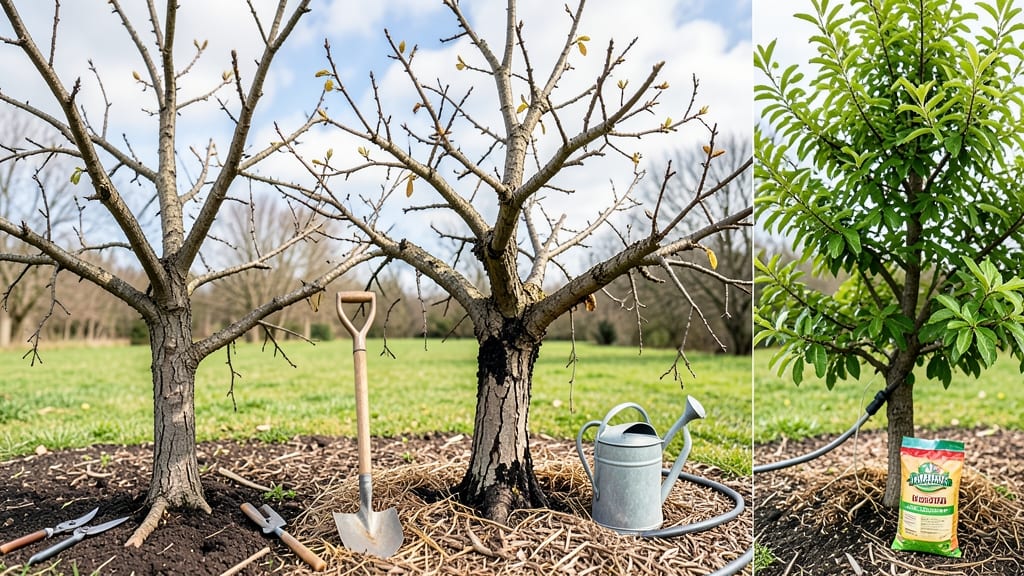
You can bring a dead tree back to life if it's not completely dead—look for signs like green buds, flexible branches, or new growth under the bark. Remove dead limbs, water thoroughly, and add mulch while avoiding excessive fertilizer, as roots may still be alive but dormant or stressed.
Many trees appear dead when they're actually in a dormant state due to seasonal changes or environmental stress. 🌱 The key is distinguishing between true death and temporary dormancy—flexible branches, moist bark, or even tiny buds under the surface can signal hope.
I've seen oak trees revive after years of drought once proper care was restored, proving that roots often hold onto life even when the canopy looks lifeless. Start with basic checks like the scratch test (peeling back bark to reveal green layers) before taking drastic measures.
Once you confirm viability, act quickly but methodically. Pruning dead branches clears the way for new growth, while consistent watering—about 1-2 inches per week—replenishes moisture without overwhelming the system. Organic mulch helps regulate soil temperature and retain moisture, creating ideal conditions for recovery.
The most common mistake? Over-fertilizing, which can stress already weakened roots. Instead, focus on gradual soil improvement and patience—some trees take 1-2 growing seasons to show visible signs of revival.
💡 In This Article
- How to Identify a Dying vs. Truly Dead Tree
- Step-by-Step Tree Revival Guide for Gardeners
How to identify a dying vs. truly dead tree
The first step in reviving a tree is determining whether it's dormant, stressed, or truly dead. Start with the bark scratch test: peel back a small section of bark to reveal the cambium layer.
If you see green tissue underneath, the tree is alive—this indicates active photosynthesis. 🌿 In contrast, brown or black tissue means the tree is dead. For example, a maple tree with green cambium might just need water, while a completely blackened trunk signals irreversible damage.
Branch flexibility is another key indicator. Bend a small branch—if it snaps easily, it's dead. If it bends slightly and returns to its original shape, the tree still has moisture and may recover. Additionally, check for new growth under the bark or at the base of the trunk.
Tiny buds or shoots suggest the tree is fighting to survive. Environmental factors like drought or pests can mimic death, so consider recent weather patterns or signs of infestation (e.g., holes in bark or sawdust-like frass).
Seasonal dormancy often tricks people into thinking a tree is dead. Deciduous trees naturally shed leaves in winter, but their roots remain active if temperatures stay above freezing. Evergreens, however, should retain some green needles—if they're brown and brittle, the tree may be struggling.
For instance, a pine tree with 80% brown needles in late winter might just need water, while one with 100% brown needles in spring is likely dead. 🌲
Root health is harder to assess but critical. Dig a shallow hole (6-12 inches deep) near the base to check for white or light-colored roots—these indicate life. Dark, mushy roots signal rot.
If roots are present but the canopy is bare, the tree might be suffering from translocation failure, where nutrients can't move from roots to leaves. This often happens after severe drought or disease.
Finally, consider the tree's history. A young tree that suddenly wilts may be salvageable, while an old oak with hollow trunks and fungal growth at the base is likely beyond revival. The key is patience—some trees take months to show signs of recovery, especially after extreme stress.
If you're unsure, consult an arborist for a professional assessment using tools like a resistograph (which measures wood density) or a sonic tomograph (which detects internal rot).