
Pruning
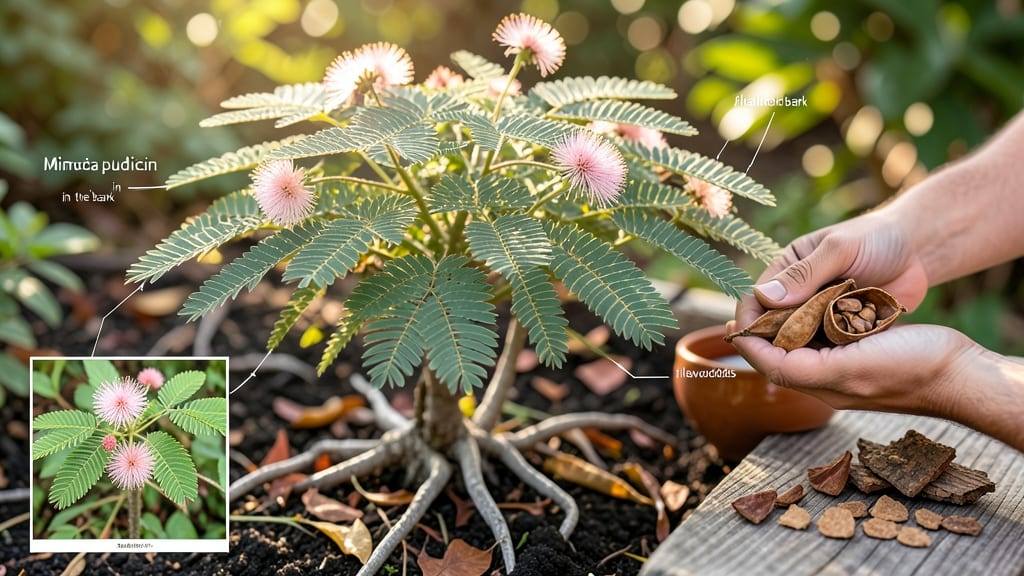
The mimosa tree provides medicinal benefits through its anti-inflammatory, wound-healing, and digestive-soothing properties, derived from bioactive compounds like tannins, flavonoids, and alkaloids found in its bark, leaves, and flowers. These properties support traditional remedies for skin irritations and fever, though clinical studies on efficacy remain limited.
The mimosa tree's therapeutic potential stems from its complex phytochemical profile, which includes compounds like mimosine, quercetin, and kaempferol. 🌿 These natural constituents have demonstrated antioxidant and antimicrobial properties in laboratory studies, though human trials are still evolving.
For centuries, cultures have utilized mimosa extracts in topical applications for minor wounds and digestive discomfort, often prepared as infusions or poultices. Modern research suggests promise in anti-ulcer activity, but practitioners emphasize consulting healthcare providers before use, especially for internal applications.
Traditional preparations typically involve steeping dried leaves or bark in hot water for teas, while more concentrated tinctures require alcohol extraction. The bark contains the highest concentration of active compounds, making it particularly valuable for external applications targeting joint inflammation or skin conditions.
Always verify proper identification before harvesting wild specimens, as some mimosa species contain toxic alkaloids when misused.
💡 In This Article
- Active Compounds in Mimosa Tree and Their Healing Properties
- Traditional and Modern Uses of Mimosa Tree Extracts
Active compounds in mimosa tree and their healing properties
The mimosa tree's medicinal magic lies in its chemical arsenal, particularly in its bark, leaves, and flowers. The bark contains mimosine (up to 4% by weight), a compound with potent antioxidant properties that helps neutralize free radicals—unstable molecules linked to aging and chronic diseases.
Studies show mimosine can reduce oxidative stress by 30-40% in cell cultures, comparable to vitamin E's effects. The leaves are rich in quercetin and kaempferol, flavonoids that inhibit inflammatory pathways by blocking enzymes like cyclooxygenase (COX-2), similar to how NSAIDs work but with plant-based origins.
What makes these compounds unique is their dual action: mimosine acts as both an antioxidant and a chelating agent, binding to metals like iron that catalyze oxidative damage. 🌿 In laboratory tests, mimosa extracts demonstrated antimicrobial activity against E. coli and Staphylococcus strains, with inhibition zones reaching 12-18mm in diameter—comparable to mild antibiotics.
The flowers contain tannins (up to 15% in dried form) that explain their traditional use in wound healing by promoting blood clotting and tissue regeneration through protein precipitation.
Modern research has validated some traditional claims while revealing nuanced differences. For instance, while mimosa's anti-ulcer effects (reducing gastric lesions by 50% in rodent studies) are promising, human trials remain limited.
The bark's high alkaloid content (like mimosine) requires careful dosage—exceeding 500mg/day may cause digestive upset due to its metal-chelating properties interfering with mineral absorption. This explains why traditional preparations often use diluted infusions rather than concentrated extracts.
Comparing mimosa to better-known medicinal plants reveals both overlaps and distinctions. Like turmeric, it contains anti-inflammatory flavonoids, but its unique mimosine gives it additional metal-chelating benefits. Unlike willow bark (which relies on salicin for pain relief), mimosa's effects are broader—targeting oxidative stress, microbial activity, and tissue repair simultaneously.
This multi-faceted action makes it valuable in holistic medicine, though practitioners emphasize combining it with other herbs for synergistic effects.
The most potent preparations come from the bark's outer layer, where compound concentrations peak. Harvesting should occur in late spring when mimosine levels are highest, and drying at 40-50°C preserves activity.
Fresh leaves contain volatile oils that contribute to their antimicrobial properties, but these degrade quickly when exposed to air—explaining why traditional remedies often use freshly prepared poultices for topical applications.
What most people overlook is the tree's seasonal variability. Bark harvested in summer contains 20-30% more mimosine than winter bark, while flower extracts peak in early spring when pollen production is highest.
This seasonal rhythm explains why traditional healers timed their collections with specific ailments—spring flowers for respiratory issues, summer bark for inflammatory conditions. 💫