
Pruning
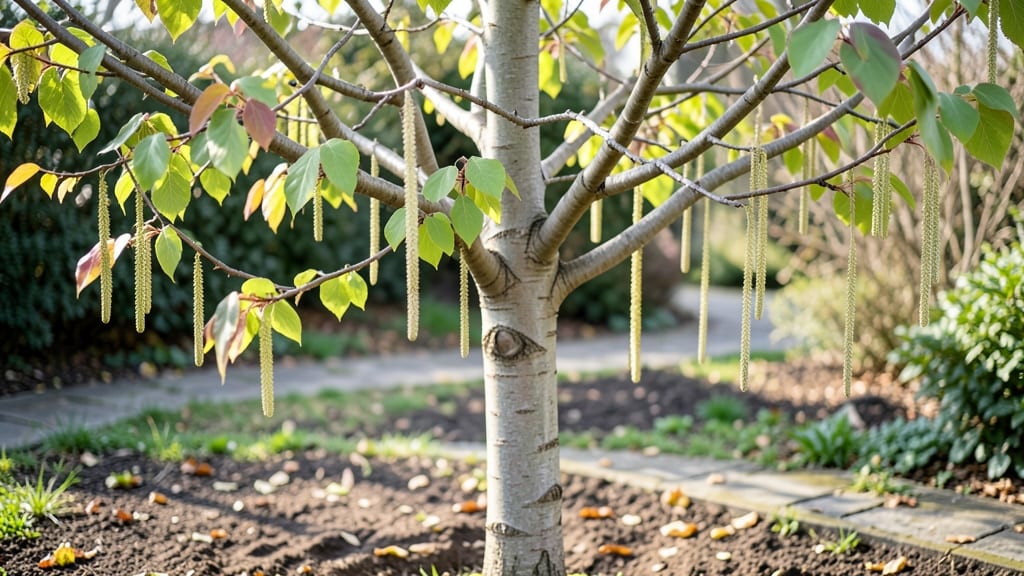
A mulberry tree in spring transforms dramatically, starting with tender leaf buds sprouting between early March and April, followed by rapid shoot growth that produces soft, green fruit clusters by late spring. The season brings lush foliage, occasional delicate flowers, and young leaves perfect for harvesting around mid-season.
A mulberry tree's spring awakening is one of nature's most rewarding cycles to observe. 🌱 The first signs appear as tiny red or green buds push through the bark, signaling the tree's metabolic shift from dormancy.
These buds unfurl into broad, glossy leaves that catch sunlight beautifully, while the shoots elongate rapidly—sometimes growing up to 6 inches per week in ideal conditions.
What's fascinating is how the tree balances growth with fruit development; those early green clusters you spot by late spring will eventually mature into the sweet berries we love, but they start their journey as delicate, almost translucent formations.
This seasonal transition isn't just about aesthetics—it's your cue for practical action. The young leaves emerging in mid-spring are particularly prized in culinary traditions, offering a mild, slightly sweet flavor perfect for salads or steaming.
Meanwhile, the tree's vigorous growth makes it an excellent time for pruning to shape the canopy or remove dead wood.
The key is timing: harvest leaves when they're still tender but fully unfurled, and be patient with the fruit—rushing the harvest can leave you with underripe berries that lack their signature sweetness.
💡 In This Article
- Spring Growth Stages of Mulberry Trees Explained
- When and How to Harvest Mulberry Leaves and Fruit in Spring
Spring growth stages of mulberry trees explained
The mulberry tree's spring awakening begins with bud break, typically between late February and April depending on your climate zone. These buds appear as small, swollen nodes along the branches, often colored red or green.
The timing is influenced by chilling hours—mulberries need 200-400 hours below 45°F during winter to break dormancy properly. In warmer regions like California, buds may emerge as early as February, while colder zones like New York might see them appear in April.
Once buds burst, the tree enters its leaf emergence phase, where new foliage unfurls rapidly over 2-3 weeks. The leaves start as bright green and slightly fuzzy, gradually developing their characteristic 3-5 lobed shape with serrated edges.
This is also when you'll notice shoot elongation, with new branches growing 3-6 inches per week in ideal conditions. The vibrant foliage isn't just visually stunning—it's a sign the tree is photosynthesizing vigorously, storing energy for fruit development.
Around late April to early May, you'll spot the first signs of fruit formation: tiny, soft clusters resembling green grapes. These develop from the tree's flowers, which are often yellow-green and inconspicuous compared to the showy foliage.
What's interesting is that mulberries are parthenocarpic—meaning they can produce fruit without pollination, though bees still play a role in improving fruit quality. The early fruit clusters are particularly tender and may even appear slightly translucent before hardening.
Climate plays a crucial role in these stages. In cooler springs, growth progresses more slowly, with leaves taking longer to mature and fruit development delayed by 2-3 weeks. Conversely, warmer springs accelerate everything, sometimes leading to earlier but smaller fruit clusters.
The tree's response to temperature also affects leaf quality—young leaves harvested in 50-60°F conditions tend to be more tender and flavorful than those emerging during heatwaves.
Here's what to watch for visually: New leaves will have a light green hue with visible veins, while mature leaves develop a deeper green and slightly waxy texture. The first fruit clusters appear at the tips of branches, often near last year's growth.
These clusters will gradually darken from green to purple as they mature, though they remain soft and slightly sticky until late summer.
Understanding these stages helps you time your pruning and harvesting perfectly. For example, pruning right after bud break (when sap is flowing) encourages vigorous new growth, while waiting until after leaf emergence ensures you don't accidentally remove new shoots.
The early spring foliage is also your best indicator of the tree's overall health—dark, crisp leaves signal vitality, while yellowing or curled leaves may indicate stress or disease.