
Pruning
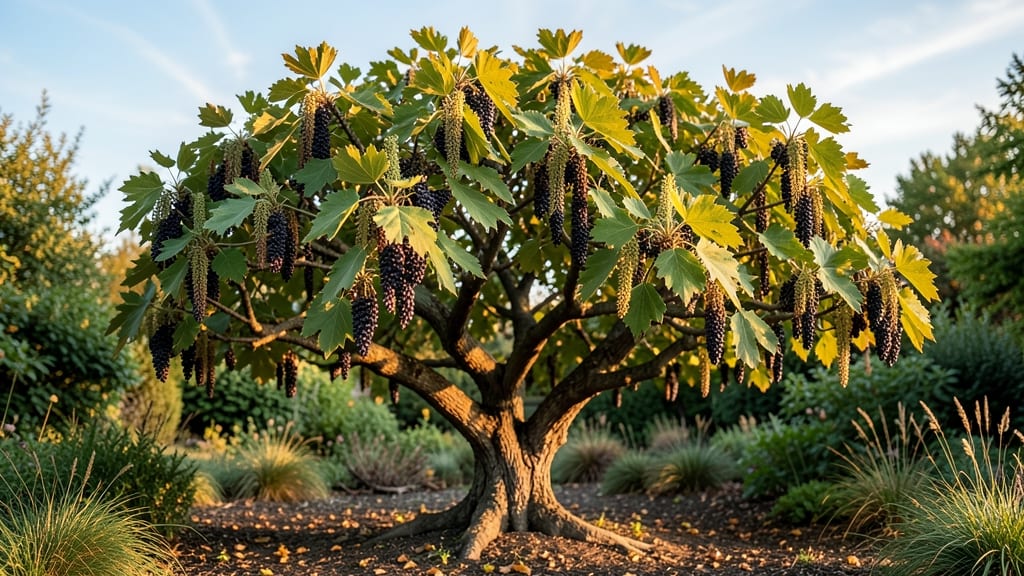
A mature mulberry tree 🌳 can reach heights of 20 to 60 feet, towering over your yard and becoming the centerpiece of your landscape—but only if you plan for its growth from day one.
If you're planning to grow a mulberry tree, knowing its mature height isn’t just about aesthetics—it determines sunlight needs, pruning strategies, and even whether it’ll fit in your yard.
But here’s the catch: different mulberry varieties grow at wildly different rates, and pruning at the wrong time can stunt growth or invite pests.
Some varieties, like the Black Mulberry, can shoot up 10 feet in a single year if given the right conditions, while others stay smaller and more manageable. The key is understanding how your specific type grows and when to prune for optimal health and fruit production.
In this guide, I’ll break down everything you need to know—from variety-specific growth rates to the best pruning techniques—so you can keep your mulberry tree thriving without it taking over your backyard.

Mulberry tree mature height by variety: growth rates & space requirements
Choosing the right mulberry variety is critical—especially when space is limited. Black Mulberry trees can tower up to 60 feet, while dwarf varieties stay under 15 feet.
This height difference directly impacts your yard layout, pruning needs, and even fruit yield. Let’s break down the specifics so you can pick the perfect fit for your garden.
Mulberry trees thrive in full sun (6+ hours daily) and well-drained soil. Their growth rate varies by variety, with standard types shooting up 3-5 feet per year in ideal conditions. For small gardens, semi-dwarf varieties offer a middle ground, reaching 15-25 feet while still producing abundant fruit.
Here’s how the most popular varieties compare in terms of mature height, growth speed, and ideal spacing:
| Variety | Mature Height | Annual Growth | Ideal Spacing | Best For |
|---|---|---|---|---|
| Black Mulberry | 20-60 ft | 3-5 ft/year | 30+ ft from structures | Large yards, fruit production |
| White Mulberry | 15-30 ft | 2-4 ft/year | 20-25 ft from structures | Medium yards, shade |
| Red Mulberry | 15-25 ft | 2-3 ft/year | 15-20 ft from structures | Small yards, ornamental |
| Dwarf Varieties (e.g., 'Illinois Everbearing') | 10-15 ft | 1-2 ft/year | 10-12 ft from structures | Containers, small spaces |
The Black Mulberry is the fastest grower, making it ideal for large properties where you want quick shade and fruit. However, its aggressive growth means you’ll need to plan for regular pruning to control height and shape.
If your space is tight, a dwarf variety like 'Illinois Everbearing' stays compact while still producing sweet berries.
Spacing is non-negotiable for mulberry trees. Plant standard varieties at least 30 feet from buildings or power lines to avoid root damage and shading issues. For dwarf types, 10-12 feet of clearance is sufficient, making them perfect for urban gardens or patios with large containers.
One common mistake is assuming all mulberry trees grow at the same rate. Red Mulberry, for example, matures slower than Black Mulberry but produces fruit earlier in its lifecycle. This means you’ll get berries sooner with less upfront height, which is a game-changer for small gardens.
For full sun exposure, position your tree where it gets morning sunlight and afternoon shade if you’re in a hot climate. Mulberries hate soggy roots, so amend heavy clay soil with compost or sand to improve drainage.
A 5-inch layer of mulch around the base also helps retain moisture and regulate soil temperature.
If you’re growing mulberries for fruit production, prioritize varieties like Illinois Everbearing or 'Nonpareil' White Mulberry. These yield consistently even in dwarf forms. Just remember: the smaller the tree, the more frequent the pruning to maintain shape and encourage fruiting branches.
Pro tip: Test your soil’s pH level before planting—mulberries prefer slightly acidic to neutral soil (pH 6.0-7.0). If your soil is alkaline, amend it with sulfur or peat moss to create optimal growing conditions. This small step can double your tree’s growth rate in the first few years.
Whether you’re dreaming of a towering Black Mulberry or a manageable dwarf variety, understanding these height and spacing guidelines will save you headaches down the road. Start with the right variety, give it room to grow, and you’ll enjoy shade, fruit, and beauty for decades.
When and how to prune a mature mulberry tree for optimal health
Pruning your mature mulberry tree isn’t just about controlling its height—it’s essential for fruit production and tree health. The right timing and technique can boost berry yields by up to 30% while preventing disease.
But prune at the wrong time, and you risk inviting pests or stunting growth. Let’s break down the best practices for a thriving tree.
Most gardeners make one of two mistakes: pruning too late in winter or too early in spring. Both can stress the tree and leave it vulnerable to bacterial infections. The key is to time your cuts just right—when the tree is actively growing but before pests wake up.
For mature mulberry trees, this means late winter dormancy or early spring, ideally in February or March.
⚠️ Critical Pruning Mistakes to Avoid
- Pruning in late summer: Encourages new growth that won’t harden before frost, leading to dieback.
- Over-pruning: Removing more than 25% of foliage weakens the tree and reduces next year’s fruit.
- Leaving stubs: Cuts should be made just outside the branch collar—never leaving 2"+ remnants.
Warning: Disease risk spikes when tools aren’t sterilized between cuts. Use a 10% bleach solution or rubbing alcohol.
Start by gathering your tools: a sharp pruning saw for thick branches, bypass pruners for smaller limbs, and gloves to protect against thorns. Remove any dead or diseased branches first—they’re entry points for powdery mildew and root rot.
Next, thin out crossing branches to improve airflow, which reduces humidity and fungal growth.
To control height, focus on removing suckers at the base and water sprouts along the trunk. These compete with fruit-bearing branches for nutrients. For a dwarf variety, limit pruning to 10-15% of the canopy annually, while standard varieties can handle up to 20%.
Always cut at a 45-degree angle just outside the branch collar to prevent water pooling.
After pruning, apply a copper fungicide to cuts larger than ½ inch to prevent bacterial canker. Mulch the base with 3-4 inches of organic matter (like wood chips) to retain moisture and suppress weeds.
Water deeply but avoid soaking the trunk to reduce rot risk. Monitor the tree for aphid infestations, which thrive on new growth—spray with neem oil if needed.
Timing your pruning right ensures your mulberry tree stays productive and pest-free for decades. For maximum fruit yield, repeat the process every 2-3 years, always prioritizing airflow and sunlight penetration.
With the right approach, your tree will reward you with juicy berries and lush foliage year after year. 🌿