
How To
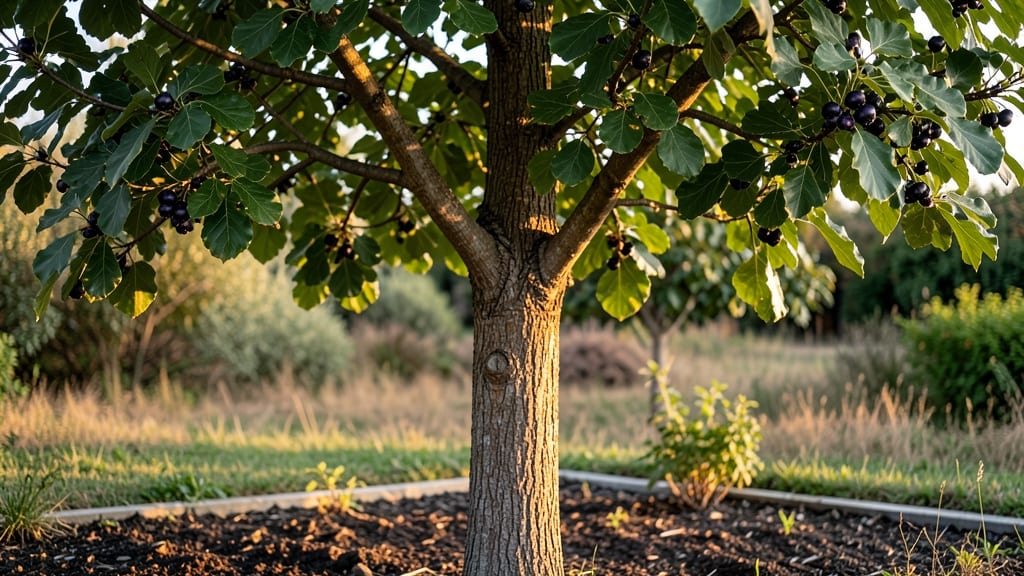
A mulberry tree grows how tall does a mulberry tree grow anywhere from 15 to 60 feet at maturity, depending on the variety you choose—some varieties even stay compact enough for small yards.
If you're dreaming of a towering shade tree or a compact fruit-bearing wonder, mulberry trees offer both extremes—but their height depends entirely on the variety you choose.
For gardeners in USDA Zone 6a, this means you can plant a fast-growing standard mulberry that reaches 50 feet or a dwarf variety that tops out at 10 feet—both thriving in spring-planted soil.
Below, I break down the exact height ranges of the fastest-growing varieties, how to control their size with pruning, and which dwarf types are perfect for small gardens.

Mulberry tree height by fastest-growing varieties: exact growth ranges
If you're planning to grow mulberries, the variety you choose determines whether you'll end up with a 60-foot giant or a 10-foot compact tree. Fast-growing mulberries can reach maturity in just 3-5 years, but their final height varies dramatically.
Let's break down the fastest-growing types and their exact growth ranges so you can pick the perfect fit for your space.
The Illinois Everbearing mulberry is one of the fastest growers, reaching 15-25 feet in just 5 years with ideal care. Meanwhile, the Texas Everbearing variety matures slightly slower but still hits 20-30 feet by year 7.
Both are excellent choices if you want a rapidly growing fruit tree without waiting decades for shade.
For those with limited space, dwarf varieties like the Illinois Everbearing Compact stay between 8-12 feet tall, making them perfect for small yards or containers. These compact types grow at about half the rate of standard varieties but still produce abundant fruit.
The trade-off? You'll sacrifice some shade potential but gain easier maintenance.
Here’s how the fastest-growing mulberry varieties compare in terms of height, growth rate, and maturity timeline:
The Black Mulberry is the tallest variety, often reaching 60 feet in ideal conditions, but it grows more slowly—expect 2-3 feet per year. This makes it a long-term investment for shade and privacy, but it’s not ideal for small spaces.
The Red Mulberry, while slightly shorter, is prized for its vibrant foliage and wildlife benefits, making it a favorite for native gardens.
If you're growing mulberries in containers or small spaces, focus on dwarf varieties like the Illinois Everbearing Compact. These stay under 12 feet and grow at a manageable 1-2 feet per year.
To maximize their potential, use large pots with drainage and prune regularly to encourage bushier growth. Just remember: even compact mulberries need full sun and regular watering to thrive.
For the fastest results, plant your mulberry in well-draining soil with full sun exposure. Mulberries grow best in USDA zones 5-9, and their growth rate accelerates in warmer climates. In cooler regions, expect slightly slower growth but still impressive height gains over time.
With the right variety and care, you could have a fruit-bearing mulberry tree in as little as 3 years!
Pro tip: If you're unsure which variety to choose, consider your primary goal. Want fast shade? Go for Illinois Everbearing. Prefer compact fruit production?
The Texas Everbearing or dwarf types are your best bet. And if you love wildlife-friendly trees, the Red Mulberry is a standout choice.
🌱
How to control mulberry tree height: pruning tips for compact growth
Mulberry trees can grow taller than a two-story house if left unchecked, but with the right pruning techniques, you can shape them into manageable sizes. The key is understanding when and how to prune to encourage compact growth without sacrificing fruit production.
Whether you're dealing with a young sapling or a mature tree, these steps will help you maintain your desired height.
Pruning mulberry trees isn't just about cutting back branches—it's about strategic shaping to promote bushier growth and stronger structure. Start by identifying the central leader (the main vertical stem) and any suckers (shoots growing from the base).
Removing these at the right time will redirect the tree's energy toward a more compact form, while still allowing it to bear fruit.
Timing is everything when it comes to pruning mulberry trees. The best time to prune is late winter or early spring, just before new growth begins. Avoid pruning in fall or summer, as this can stimulate new growth that won't harden off before winter, making it more susceptible to frost damage. For minor adjustments, you can also prune in early summer after the tree has finished fruiting.
- Step 1: Gather Your Tools
- Sharp bypass pruners for small branches
- Loppers for medium-sized branches (1-2 inches thick)
- Pruning saw for larger branches (over 2 inches)
- Disinfectant (rubbing alcohol or bleach solution) to sterilize tools
- Gloves and safety goggles for protection
- Step 2: Remove Dead or Diseased Wood
- Inspect the tree for dead, broken, or diseased branches
- Cut these back to the main trunk or healthy growth
- Dispose of infected branches off-site to prevent spread
- Step 3: Thin the Canopy
- Focus on removing crossing or rubbing branches
- Cut back branches that are growing inward to improve airflow
- Aim to create an open, vase-like shape for sunlight penetration
- Step 4: Control Height by Pruning the Leader
- If reducing height, cut the central leader back by 1/3 to 1/2
- For compact growth, select 2-3 strong side branches to become new leaders
- Avoid cutting back more than 25% of the tree's foliage in one season
- Step 5: Encourage Bushier Growth
- Prune just above a bud or side branch to promote branching
- Remove suckers at the base to focus energy on the main structure
- Fertilize lightly after pruning to support new growth
- Step 6: Clean Up and Monitor
- Rake up and dispose of pruning debris to reduce pests/diseases
- Monitor the tree for new growth patterns over the next few weeks
- Repeat pruning in early summer for minor adjustments
When pruning mulberry trees, always use clean, sharp tools to make smooth cuts that heal quickly. Avoid topping (cutting back to a stub), as this can lead to weak, brittle growth and reduce fruit production.
Instead, focus on selective pruning to shape the tree naturally while maintaining its health and productivity.
For young mulberry trees, pruning is all about establishing a strong structure early. In the first few years, prioritize removing competing leaders and thinning out crowded branches. This sets the foundation for a compact, well-shaped tree as it matures.
If you're growing mulberries in a small garden or container, regular pruning is essential to keep them manageable.
Remember, mulberry trees respond well to pruning, but patience is key. It may take a few seasons to see significant height reduction, especially with larger varieties. However, with consistent care, you can enjoy a manageable-sized tree that still produces an abundance of delicious berries—without dominating your backyard. 🌳✂️🍇