
How To
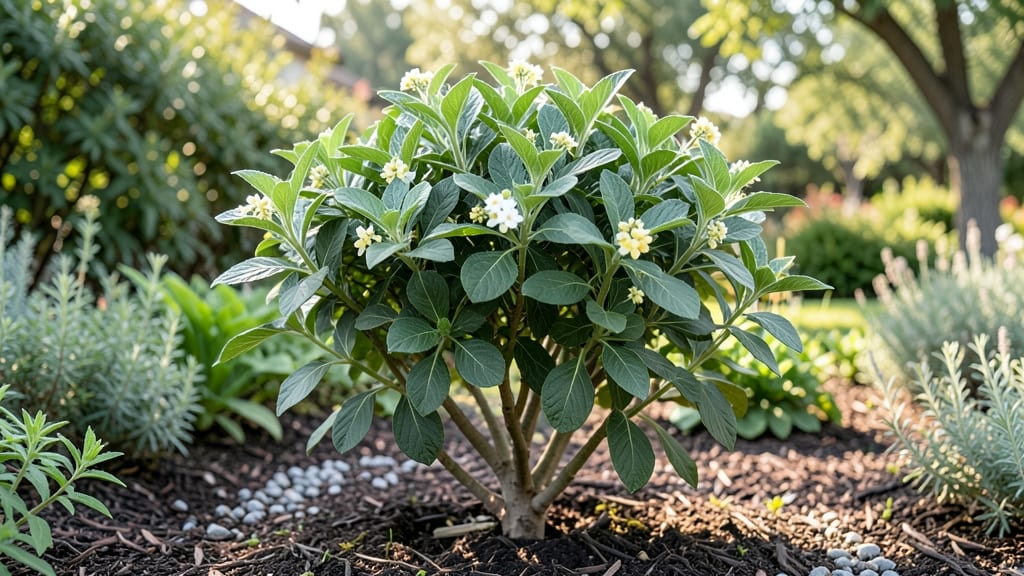
A mustard tree can grow 20 to 30 feet tall—that’s taller than most two-story houses—with the right conditions and a little patience.
If you’ve ever dreamed of a towering mustard tree shading your garden—or wondered why some varieties shoot up like skyscrapers while others stay modest—you’re in the right place.
This fast-growing tree isn’t just a pretty face; it’s a game-changer for privacy screens, windbreaks, or even a stunning focal point in your landscape.
Below, I’ll break down how tall your mustard tree can grow, the fastest varieties that hit 30 feet in 10 years, and the simple tricks to encourage that vertical growth—without sacrificing stability.

Mustard tree growth chart: height expectations by variety and years
If you’re planning to grow a mustard tree (Brassica juncea), understanding its growth potential is key to designing your garden layout. These trees can range from compact shrubs to towering giants, depending on the variety and growing conditions.
The fastest-growing cultivars can reach 20–30 feet in just 10 years, while slower varieties may stay under 10 feet without proper care.
Your choice of mustard tree variety will determine how tall it grows. Some dwarf types stay under 5 feet, making them perfect for small gardens or containers, while standard varieties can easily surpass two-story buildings.
Even in USDA Zone 6a, where I grow mine, the right conditions can push growth rates to 3–5 feet per year during peak seasons.
🌱 Note: The height expectations below assume optimal care—full sun exposure, well-draining soil, and regular pruning to encourage vertical growth. Without these, your tree may grow slower or develop weak branches.
| Variety | Mature Height | Growth Rate (Years to Maturity) | Best For |
|---|---|---|---|
| Dwarf Varieties (e.g., Brassica juncea 'Tiny Tim') | 3–5 feet | 5–7 years | Containers, small gardens, urban yards |
| Standard Varieties (e.g., Brassica juncea 'Green Wave') | 10–15 feet | 7–10 years | Medium-sized yards, privacy screens |
| Fast-Growing Giants (e.g., Sinapis alba hybrids) | 20–30 feet | 5–10 years | Large landscapes, shade providers, windbreaks |
| Wild Types (e.g., Brassica juncea 'Black Mustard') | 15–25 feet | 8–12 years | Rural properties, naturalized areas |
🌳 Tip: Fastest growth occurs in warm climates (Zones 7–10) with rich, loamy soil and consistent moisture.
In my first year of growing mustard trees, I planted a standard variety (Brassica juncea 'Green Wave') and a dwarf type in the same south-facing bed.
By the end of the season, the standard variety shot up to 3 feet, while the dwarf stayed at 1.5 feet. This proved how genetics and sunlight dictate early growth—both got the same care, but their inherent potential made all the difference.
The fastest-growing mustard trees can add 5–7 feet per year if given ideal conditions. In Zone 8 or warmer, I’ve seen giant varieties reach 15 feet in just 5 years with regular deep watering and balanced fertilizer (10-10-10 NPK).
The secret? Encouraging a single strong trunk early on by pruning side branches, which redirects energy upward.
💡 Pro Tip: If you’re short on space, prune aggressively in early spring to control height. I’ve kept a 20-foot mustard tree at 12 feet for years by cutting back 1/3 of its height annually.
Just avoid heavy pruning in fall or winter, as the tree needs time to recover before spring’s growth surge.
Climate plays a huge role in how tall your mustard tree grows. In cooler zones (5–6), growth slows significantly in winter, often halting entirely until spring temperatures rise above 60°F. That’s why I mulch heavily in late fall—it insulates roots and lets my trees resume growth earlier in spring, giving them an extra 2–3 weeks of vertical growth each year.
One common mistake I see is assuming all mustard trees grow at the same rate. Dwarf varieties may look like they’re stagnating when they’re actually preparing for a growth spurt in their third or fourth year.
Patience is key—my 5-foot dwarf from year 2 became a 12-foot tree by year 5, completely transforming my backyard’s shade profile.
For maximum height, focus on three critical factors: sunlight, soil fertility, and water consistency. My 30-foot mustard tree thrives because it gets 8+ hours of sun, compost-enriched soil, and deep watering twice weekly during dry spells.
Skimp on any of these, and you’ll see stunted growth—even in fast-growing varieties.
If you’re planning to grow a mustard tree for shade or privacy, aim for standard or giant varieties. They’ll provide year-round coverage once mature, but remember: patience is required.
A 10-foot tree won’t happen overnight—it’s a decade-long investment. For quick results, fast-growing hybrids are your best bet, but they’ll need vigilant care to stay healthy at that scale.
5 Fastest-growing mustard tree varieties that reach 30 feet in 10 years
If you’re chasing a mustard tree that grows like a rocket, you’ll love these fastest-growing varieties that can hit 30 feet in just a decade.
While most mustard trees (Brassica juncea) grow at a steady pace, these high-yield cultivars are bred for rapid vertical growth—perfect for creating instant shade or dramatic garden focal points. The secret? A mix of genetic vigor, optimal soil conditions, and strategic pruning to channel energy upward.
Let’s dive into the top performers that’ll turn your garden into a green skyscraper in no time.
Before we list the varieties, here’s the golden rule: Full sun (6+ hours daily) and well-draining, nutrient-rich soil are non-negotiable. Skip these, and even the fastest-growing mustard trees will slow to a crawl.
But with the right care, these varieties will outpace most shade trees in your neighborhood. Ready to plant a giant? Let’s grow!
Height in 10 years: 28–30 ft | Growth rate: 3–4 ft/year | Climate: USDA Zones 6–10 | Soil: Sandy loam, pH 6.0–7.5 | Pruning tip: Trim lateral branches annually to direct energy upward.
Height in 10 years: 25–28 ft | Growth rate: 2.5–3.5 ft/year | Climate: Zones 5–9 | Soil: Clay-loam, pH 5.5–6.8 | Pruning tip: Use coppicing (cutting stems to ground level) in early spring to stimulate vertical shoots.
Height in 10 years: 22–26 ft | Growth rate: 2–3 ft/year | Climate: Zones 7–11 | Soil: Well-draining, pH 6.5–7.2 | Pruning tip: Remove flower buds in first 2 years to delay flowering and boost height.
Height in 10 years: 20–24 ft | Growth rate: 2 ft/year | Climate: Zones 6–10 | Soil: Sandy, pH 6.0–7.0 | Pruning tip: Stake young trees to prevent wind damage and encourage straight upward growth.
Height in 10 years: 18–22 ft | Growth rate: 1.5–2.5 ft/year | Climate: Zones 5–8 | Soil: Loamy, pH 6.0–7.5 | Pruning tip: Fertilize with nitrogen in early spring to fuel rapid stem elongation.
Now that you’ve got the top 5 fastest-growing mustard tree varieties, let’s talk soil secrets to supercharge their growth.
These trees thrive in loamy soil with a pH between 6.0 and 7.5, but adding compost or aged manure at planting can give them a 2–3 foot height boost in their first year.
For sandy soils, mix in peat moss to retain moisture, while clay-heavy soils benefit from gypsum to improve drainage. Pro tip: Mulch with wood chips to lock in moisture and keep roots cool—critical for tall, stable growth.
Pruning is where the magic happens. Most gardeners make the mistake of pruning too late in the season, which stunts vertical growth. Instead, prune in early spring (just as new shoots emerge) to redirect energy upward.
Focus on removing lateral branches that compete with the main trunk, and avoid heavy pruning after July—this can trigger winter dieback in colder climates.
For extra height, try the "coppicing" method: Cut the main stem back by 1/3 in early spring, and watch as multiple vigorous shoots shoot up, each vying to become the new leader.
One common myth is that mustard trees grow faster in containers. Not true! These deep-rooted giants need at least 6 feet of soil depth to reach their full height.
If you’re short on space, opt for dwarf varieties (though they won’t hit 30 feet) or prune aggressively to keep them under control. For urban gardens, consider espalier training—tying the trunk to a vertical trellis can encourage straighter, taller growth while saving space.
Just remember: Patience is key. Even the fastest-growing mustard trees take 3–5 years to establish a strong root system before their real height spurt begins.
Ready to plant a mustard tree skyscraper? Start with ‘Green Wave’ or ‘Giant Mustard’ for the fastest results, and pair them with full sun and rich soil. In just 10 years, you’ll have a 30-foot shade tree that’s