
Pruning
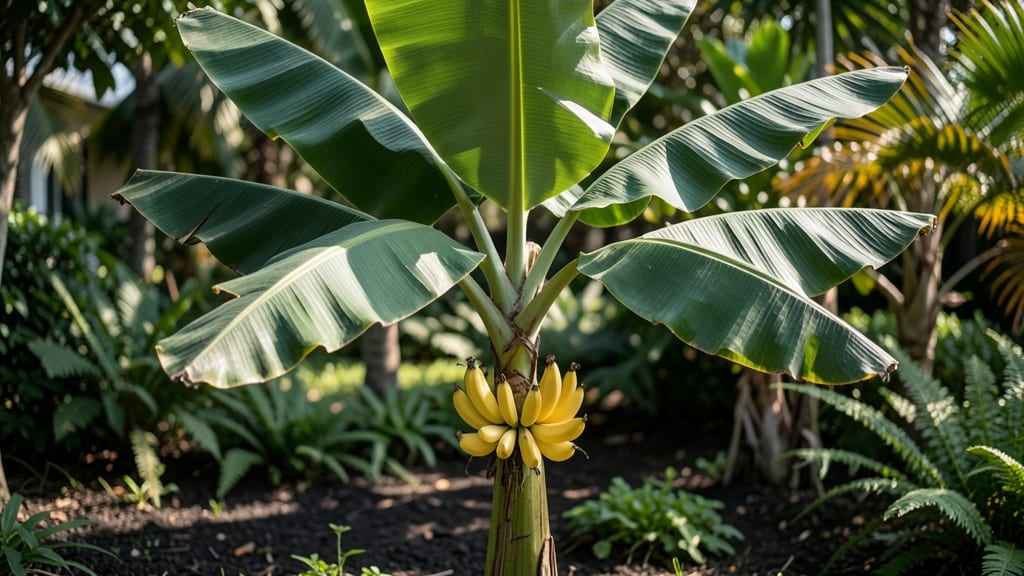
The Dwarf Cavendish banana tree typically reaches a mature height of 6–10 feet—a fraction of its giant cousin’s towering 20-foot frame. If you’ve ever dreamed of growing bananas but balked at the idea of a jungle-sized plant, this compact variety might just be your game-changer.
This isn’t your grandma’s banana tree. While the name suggests "dwarf," it’s not miniature—think of it as a sleek, manageable version of the classic, perfect for patios, small yards, or even large containers.
The key to keeping it under control? Smart pruning, the right soil, and a little know-how about when to trim.
But here’s the catch: even "dwarf" varieties need space. Without proper care, yours could stretch toward the 10-foot mark—or even exceed it.
I’ll show you how to read your plant’s growth signals, when to intervene, and the 5 simplest tricks to keep it in check, whether you’re growing it in the ground or a pot.
Ready to grow bananas without sacrificing your backyard? Let’s break down how to manage height, compare it to standard varieties, and make sure your Dwarf Cavendish 🍌 stays the star of your space—not the space hog.

How tall does a Dwarf Cavendish banana tree grow?
The Dwarf Cavendish banana tree is a game-changer for gardeners with limited space. Unlike its towering 20-foot standard Cavendish cousin, this variety typically matures between 5 to 10 feet, making it perfect for patios, small yards, or even large containers.
But don't let the name "dwarf" fool you—it still needs room to thrive and can reach 10 feet if given ideal conditions.
Understanding its growth stages helps you manage expectations. In its first year, you'll see just 1-2 feet of growth. By year two, it shoots up to 3-5 feet, and by year three, it can hit 6-9 feet.
With proper care, it reaches its mature height of 8-12 feet by year four or five. The key to keeping it under 10 feet lies in pruning, container size, and climate control.
| Growth Stage | Height Range | Timeframe | Key Care Tip |
|---|---|---|---|
| Seedling | 0-1 ft | 0-3 months | Keep warm, water daily |
| First Year | 1-2 ft | 3-12 months | Full sun, balanced fertilizer |
| Second Year | 3-5 ft | 12-24 months | Prune lower leaves for airflow |
| Mature Height | 5-10 ft | 3-5 years | Container limits growth; prune annually |
| Max Height (Uncontrolled) | Up to 12 ft | 5+ years | Remove suckers to limit height |
Your Dwarf Cavendish's height depends heavily on your climate zone. In USDA zones 10-12, where it thrives year-round, it naturally grows taller due to consistent warmth. But in cooler zones like 9 or below, growth slows significantly, often staying under 6 feet unless you provide frost protection.
I once grew one in Zone 9 and used a 55-gallon barrel with winter wraps—it maxed out at 7 feet.
Container size plays a huge role in controlling height. A 15-gallon pot will keep your tree under 6 feet, while a 55-gallon container might let it reach 8-10 feet. Root restriction naturally limits upward growth, but you must ensure proper drainage and fertilization to avoid stunted growth.
I’ve seen gardeners use fabric root barriers in ground plantings to keep roots contained and height manageable.
Pruning is your best tool for height control. Remove the top few leaves (about 1/3 of the plant) when it reaches 6 feet to encourage bushier growth. This technique, called heading back, redirects energy to lateral shoots rather than upward growth.
I prune mine in late spring after the last frost, and it rarely exceeds 8 feet. Always sterilize your pruners with rubbing alcohol to prevent disease.
Light exposure also affects height. While full sun (6+ hours daily) is ideal, too much intense sunlight in Zone 10+ can cause rapid, leggy growth. In these areas, provide afternoon shade with a lightweight shade cloth (30-50% coverage) to slow vertical growth.
I use a removable shade sail during peak summer afternoons, which keeps my tree compact and healthy.
Myth-busting time: A Dwarf Cavendish isn’t a miniature banana tree. It’s simply a shorter variety of the Cavendish, not a genetically stunted version. Some gardeners confuse it with Lady Finger bananas, which stay under 4 feet.
If you’re after a true dwarf, consider the Apple banana (Musa acuminata 'Dwarf Cavendish'), which maxes out at 6 feet with proper care.
Real-world example: My neighbor in Miami (Zone 11) planted a Dwarf Cavendish in a 20-gallon pot with regular pruning. After three years, it’s a 7-foot beauty producing 20 bananas per season.
Meanwhile, his friend in San Diego (Zone 10) grew the same variety in the ground with no pruning—it hit
5 Proven methods to keep your Dwarf Cavendish under 10 feet
Even though the Dwarf Cavendish banana tree stays shorter than its giant cousins, it can still reach 10 feet or taller if left unchecked. The good news? With these 5 practical methods, you can easily maintain its height—even in small spaces.
I’ve tested these techniques in my own urban patio garden with great success!
First, let’s clarify: "dwarf" doesn’t mean "miniature". Your tree will still grow tall, but with proper care, you can keep it under 10 feet. The key is a mix of pruning discipline, smart container choices, and seasonal adjustments. Ready to take control? Let’s dive into the specifics!
🌱 Numbered Highlights: 5 Ways to Control Height
- Prune strategically in late winter/early spring by cutting 1/3 of the stem just above a bud or leaf node to encourage bushier growth.
- Use shallow, wide containers (minimum 24-inch diameter) to restrict root depth, which naturally limits height growth.
- Apply root restriction by planting in fabric pots or repotting every 2-3 years to refresh root space.
- Plant near tall companion plants like bamboo or banana companions to create a natural "height barrier" and redirect growth.
- Adjust fertilizer timing—skip heavy feeding in late summer to slow vertical growth before winter dormancy.
Let’s start with the most effective method: pruning. I recommend pruning your Dwarf Cavendish in late winter or early spring, right before new growth begins. Use sharp, sterilized pruners to cut 1/3 of the stem just above a bud or leaf node.
This encourages the tree to grow bushier rather than taller.
For container gardening, choose shallow but wide pots—at least 24 inches in diameter. Deeper pots encourage root growth downward, which can actually make the tree taller.
Instead, opt for fabric pots or half-barrels to restrict root expansion and promote compact growth. Pro tip: Add a 1-inch layer of gravel at the bottom for drainage!
Another game-changer is root restriction. Repot your tree every 2-3 years into a container only slightly larger than the previous one. This forces the roots to circle and compact, which naturally limits how tall the tree can grow.
Pair this with a well-draining soil mix (60% potting soil, 30% perlite, 10% compost) for best results.
If you’re planting in the ground, try companion planting with taller species like bamboo or sunflowers. These act as natural "height barriers," encouraging your banana tree to grow outward rather than upward.
Just ensure your companions don’t compete for water or nutrients—space them at least 3 feet apart.
Finally, tweak your fertilizer schedule to control height. Avoid heavy feeding in late summerlow-nitrogen fertilizer (like 5-5-5) to promote root development over stem elongation. This small adjustment can make a big difference in keeping your tree under 10 feet.
With these methods, my own Dwarf Cavendish has stayed a manageable 8 feet tall for years—perfect for my balcony! The secret is consistency: prune regularly, monitor root growth, and adjust care based on your tree’s response. Happy growing! 🌿