
Pruning
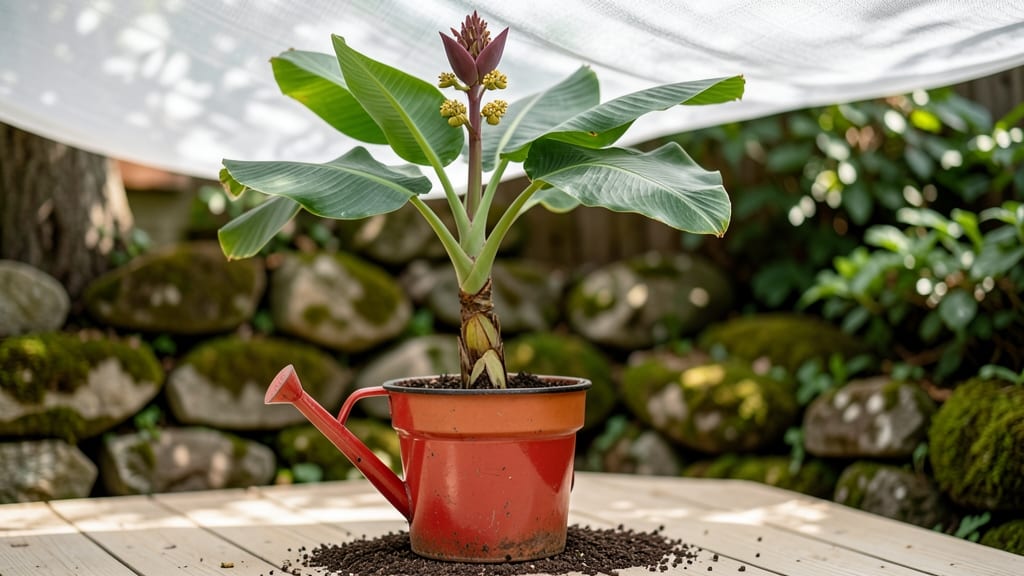
Growing a dwarf Cavendish banana tree care in containers lets you enjoy tropical fruit even in small spaces. 🌱 The key is mimicking its natural habitat—warmth, humidity, and bright indirect light—while keeping roots happy in a pot.
My first attempt failed when I ignored these basics, but now I’ve got a thriving plant that produces fruit indoors.
These compact trees need 6-8 hours of sunlight daily, well-draining soil, and temperatures above 60°F. Containers should have drainage holes, and repotting every 2-3 years keeps roots from getting cramped.
Overwatering is the biggest mistake—let the top inch of soil dry before watering again. Fertilize monthly in spring and summer with a balanced formula.
Pruning is simple: remove dead leaves and suckers (side shoots) to focus energy on fruit production. When flowers appear, protect them from cold drafts—they’re delicate! With the right care, you’ll see harvest-ready bananas in 9-12 months. The sweet, creamy fruit tastes even better knowing you grew it yourself.
Whether indoors near a sunny window or outdoors in warm climates, these trees adapt well. Just watch for pests like spider mites and keep humidity up with a pebble tray. Patience pays off—your first bunch will be worth the wait!
📚 In This Guide
- What you need
- Instructions
- Tips and common mistakes
- Wrapping up and next steps
What you need
- ● Container: A large, sturdy pot (at least 15–20 gallons) with drainage holes. Diameter should be 20+ inches to accommodate root growth.
- ● Well-draining potting mix: A blend of 60% peat moss or coconut coir, 20% perlite, and 20% compost (avoid heavy garden soil).
- ● Dwarf Cavendish banana plant: Purchase a healthy, disease-free young plant or rhizome from a reputable nursery.
- ● Support stake or trellis: A bamboo stake (5–6 ft tall) or a sturdy wire trellis to guide the plant’s growth.
- ● Organic fertilizer: A balanced 10-10-10 or 20-20-20 NPK fertilizer (use sparingly—bananas are heavy feeders!).
- ● Mulch: Straw or wood chips to retain moisture and regulate soil temperature.
- ● Watering can or hose with a gentle spray nozzle: Bananas love moisture but hate soggy roots!
- ● Pruning shears or sharp knife: For trimming dead leaves or pseudostems (sterilize with rubbing alcohol).
- ● Slow-release fertilizer tablets for convenience.
- ● Moisture meter to monitor soil hydration.
- ● Epsom salt (magnesium sulfate) for leaf health (mix 1 tbsp per gallon of water monthly).
- ● Frost cloth or greenhouse setup if growing in cooler climates.
- ● Compost tea or fish emulsion for a nutrient boost.
Step-by-step guide to growing a thriving dwarf Cavendish banana tree
Here's how to keep your tropical fruit producer happy and productive in containers—no greenhouse needed.
🪴 Step 1: Select the Right Container and Soil Mix
Choose a 5-gallon or larger container with drainage holes—banana trees hate soggy roots. I recommend terra cotta pots because they breathe better than plastic, preventing root rot. Fill the bottom third with orchid bark mix for aeration, then add high-quality potting soil mixed with 20% perlite to prevent compaction.
This mix mimics the banana's natural tropical environment while allowing excess water to drain quickly. Press the soil down gently but don't pack it—you want roots to spread easily. A 3-inch layer of gravel at the bottom also helps prevent waterlogging during heavy watering sessions.
☀️ Step 2: Position for Maximum Light and Warmth
Dwarf Cavendish bananas need full sun exposure—at least 6-8 hours daily—to produce fruit. Place your container in the sunniest spot you have, like a south-facing patio or balcony. If you're in a hot climate, provide afternoon shade to prevent leaf scorch, which looks like crispy brown edges.
Keep temperatures between 65-85°F—bananas are tropical divas and won't tolerate cold drafts. If your evenings dip below 60°F, move the plant indoors near a bright window or use a grow light for 12-14 hours daily. You'll notice new leaves emerging faster when conditions are ideal.
💧 Step 3: Water Deeply and Consistently
Water when the top 2 inches of soil feel dry—stick your finger in to check. Banana trees drink a lot, especially during fruiting, so aim for 1-2 gallons per watering depending on pot size. Always water at the base to avoid fungal issues on the leaves.
Drainage is critical—empty the saucer after 15 minutes to prevent root rot. If you see yellowing lower leaves, it's a sign of overwatering. Adjust your schedule: every 2-3 days in summer, every 4-5 days in winter. Mulch the soil surface with 2 inches of straw to retain moisture and regulate temperature.
✂️ Step 4: Fertilize and Prune for Fruit Production
Feed your banana tree monthly during growing season (spring-fall) with a balanced 10-10-10 fertilizer, halving the recommended dose. When you see flower buds forming, switch to a high-potassium fertilizer (like 5-10-15) to encourage fruit development. You'll notice the buds appear in the leaf axils—this is your cue to adjust nutrition.
Prune only dead or yellow leaves—never cut healthy ones, as bananas rely on their foliage for energy. If the plant grows too tall for its space, you can trim the top 12 inches to encourage bushier growth, but this reduces fruit yield. After harvesting, cut the fruit stalk at the base and reduce watering slightly to prep for dormancy.
⏰ Step 5: Protect and Overwinter (If Needed)
If temperatures drop below 50°F, move your banana indoors near a sunny window or under grow lights. Reduce watering to once a week and stop fertilizing until spring. Wrap the pot in bubble wrap for extra insulation—this mimics the tropical microclimate bananas love.
Watch for pests like spider mites (tiny webs on leaves) or aphids (sticky residue). Spray with neem oil if you spot them early—banana trees are sensitive to harsh chemicals. With proper care, your dwarf Cavendish will reward you with harvests in 9-12 months, even in containers!
Tips & tricks for thriving dwarf Cavendish banana trees
Real talk: Container growing requires extra attention to mimic tropical conditions—here's how to nail it without the guesswork.
Container Size Matters: That 5-gallon minimum isn't just a suggestion—it's non-negotiable for dwarf Cavendish. I've seen roots circle and strangle themselves in smaller pots. If you're tempted to go smaller, add a 2-inch layer of expanded clay pebbles at the bottom for extra drainage space. This prevents the compacted soil from suffocating roots during those heavy summer waterings.
Light Strategy for Small Spaces: The 6-8 hours of sunlight is your baseline, but here's the secret: rotate your container every 2-3 weeks. This ensures even growth and prevents lopsided plants leaning toward the light. In apartments, south-facing windows work best—supplement with a grow light for 4-6 hours daily if natural light is limited. I use a simple LED bulb on a timer to avoid overdoing it.
Watering Wisdom: Those 1-2 gallons per watering might seem like a lot, but remember—banana trees in containers dry out faster than in-ground plants. The finger test is key: stick your finger 2 inches deep. If it feels dry, water thoroughly until it drains from the bottom. Pro tip: Use room-temperature water to avoid shocking the roots, especially during those summer watering sessions when tap water can be shockingly cold.
Fertilizer Timing: The monthly feeding schedule works, but here's what nobody tells you—the first feeding should happen 4-6 weeks after planting. This gives the roots time to establish without burning. When you spot those flower buds in Step 4, switch to the high-potassium fertilizer immediately. I've found that applying it in the evening prevents leaf burn from the concentrated nutrients.
Pro Tips for Dwarf Cavendish Banana Tree Care
- Real talk: Container growing requires extra attention to mimic tropical conditions—here's how to nail it without the ...
- Container Size Matters: That 5-gallon minimum isn't just a suggestion—it's non-negotiable for dwarf Cavendish. I've s...
- Light Strategy for Small Spaces: The 6-8 hours of sunlight is your baseline, but here's the secret: rotate your conta...
Frequently asked questions
How often should I prune my Dwarf Cavendish banana tree?
Prune your banana tree once a year (late winter or early spring) to remove dead or damaged leaves. Trim only the old, yellowed fronds—never cut healthy ones. This encourages new growth and keeps the plant tidy. Check our pruning guide for step-by-step tips!
Can Dwarf Cavendish banana trees survive winter in cold climates?
These tropical plants struggle below 50°F (10°C). In colder zones, grow them in containers and move them indoors (or to a greenhouse) when temperatures drop. If outdoors, use thick mulch and frost cloth for protection. No hardiness? No problem! Many growers overwinter them successfully.
What are the most common pests for Dwarf Cavendish banana trees?
Watch for spider mites, aphids, and banana weevils. Spider mites love dry conditions—spray leaves with water to deter them. For aphids, use neem oil. Banana weevils are trickier; check the base of the pseudostem and treat with systemic insecticides if detected early.
Why aren’t my Dwarf Cavendish bananas ripening?
Bananas need warmth (75–85°F) and humidity to ripen. If they stay green, it could be due to cool temps, lack of sunlight, or overwatering. Try moving the plant to a sunny spot and reduce watering slightly. Once harvested, ripen indoors with ethylene-producing fruits (like apples) in a paper bag.
Can I grow Dwarf Cavendish bananas in a small apartment?
These compact trees thrive in 5-gallon+ containers and do well on patios or balconies. Just ensure they get 6+ hours of sunlight daily and use a well-draining potting mix. With proper care, you’ll enjoy homegrown bananas—even in a tiny space! See our container-growing tips.
Wrapping up and next steps
Caring for a dwarf Cavendish banana tree in containers is totally doable—even for beginners! 🌱 With the right balance of sunlight, water, and pruning, you’ll enjoy sweet, homegrown bananas year after year. Don’t let container growing hold you back; these tropical beauties thrive with patience and a little know-how.
Ready to take the next step? Start with a healthy plant, monitor its needs, and soon you’ll be harvesting your own mini bananas. Happy growing—your tropical oasis awaits! 🍌✨