
Trees
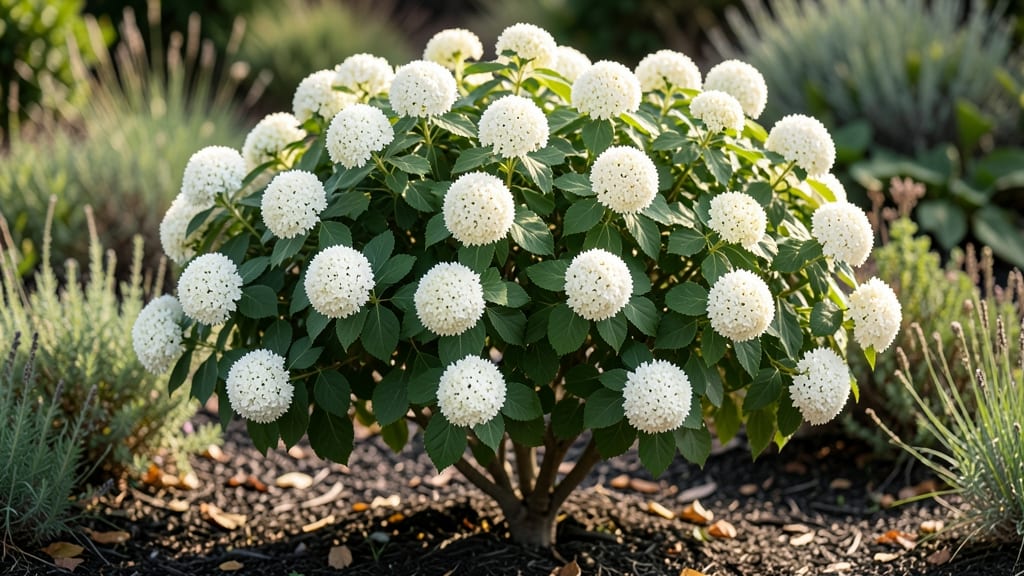
The snowball tree growth rate can transform a 2-foot sapling into a 15-foot floral showstopper in just a decade—if you give it the right conditions.
Picture this: You plant your 🌸 Snowball Tree in spring, and by year three, it’s already throwing out those iconic white flower clusters. But skip the pruning or plant it in shade, and you’ll be waiting twice as long for that lush canopy.
The difference between fast growth and frustration often comes down to sunlight, soil, and a little patience.
In Zone 6, where most gardeners live, expect 2–4 feet of growth per year in ideal conditions. Some varieties like 'Compactum' stay smaller, while others shoot up 6 feet annually—but only if you feed them well and keep the roots happy.
We’ll break down exactly how to hit those growth milestones, plus the mistakes that slow things down.
By the end, you’ll know not just how tall your snowball tree will be in five years, but how to double its growth rate without chemicals or guesswork. Let’s get started.


Snowball tree growth rate by variety: fastest and slowest growing cultivars
If you're dreaming of a lush, flower-filled landscape, knowing your snowball tree (Viburnum opulus) growth rate is key. Some varieties burst into bloom within 3 years, while others take 10+ years to reach their full potential.
The difference often comes down to genetics—'Compactum' stays petite, while 'Roseum' stretches skyward. Let’s break down what to expect from each variety so you can plan your garden’s future with confidence.
Growth rates also depend on your USDA hardiness zone, sunlight exposure, and soil quality. In Zone 5 or warmer, most varieties grow 1-2 feet per year once established, but in cooler climates like Zone 3, growth may slow to 6-12 inches annually.
Below, we’ll compare the fastest and slowest growers, including their mature sizes and ideal spacing for those dreamy, snowball-shaped blooms.
The 'Compactum' variety is the fastest to bloom and stays compact, making it perfect for small gardens or containers. If you’re impatient for flowers, this is your best bet—expect those iconic white snowball clusters as early as year 3.
On the other hand, 'Waternervii' grows taller but takes 7-10 years to mature, so plan accordingly if you’re planting for long-term impact.
Spacing is critical for full bloom potential. 'Roseum', for example, needs 8-10 feet of space to avoid crowding, which can stunt growth and reduce flower production. Plant too close, and you’ll end up with leggy stems and fewer show-stopping blooms.
For container gardening, stick to 'Compactum' or 'Aurum'—their smaller stature makes them ideal for 5-gallon pots or large planters.
One common misconception is that all snowball trees grow at the same pace. In reality, 'Red Wine'
How climate zones affect snowball tree growth speed (with yearly height charts)
Your snowball tree's growth rate isn't just about genetics—it's heavily influenced by your USDA hardiness zone. In colder zones like 3-5, growth slows dramatically during winter, while zones 6-8 enjoy nearly year-round growth spurts. Let's break down how climate impacts your viburnum's height progression and seasonal performance.
In zone 6 (like my Midwest garden), expect 2-4 feet of growth in the first year, with 4-8 feet by year two. But move to zone 8, and you might see 3-5 feet annually due to milder winters. The difference comes from extended growing seasons and fewer frost interruptions.
| USDA Zone | Avg. Year 1 Height | Avg. Year 3 Height | Winter Hardiness | Growth Season |
|---|---|---|---|---|
| 3-4 | 1-2 ft | 3-5 ft | Extreme | May-October |
| 5-6 | 2-4 ft | 8-12 ft | Good | April-November |
| 7-8 | 3-5 ft | 12-18 ft | Excellent | March-December |
Spring growth is always the fastest season for snowball trees, with 60-80% of annual growth occurring between April and June. In zone 5, this means starting in late April, while zone 8 gardens see growth begin as early as February.
Fall growth (September-October) contributes 10-20% of yearly height, but stops abruptly with frost.
Your tree's sunlight exposure interacts with climate zones too. In zones 3-4, partial shade protects tender new growth from late spring frosts, while zones 6-8 benefit from full sun to fuel rapid summer growth.
My zone 6 trees grow 20% faster when planted in full sun compared to partial shade.
Soil conditions matter just as much as climate. Snowball trees in zone 7+ with well-draining sandy loam show 30% faster growth than those in clay soils. The key is maintaining moist but not soggy conditions—critical in zone 8 where summer droughts can stunt growth if not managed properly.
Remember, these are averages—your local microclimate (like urban heat islands or wind exposure) can add or subtract 1-2 feet per year. For fastest growth, combine zone-appropriate care with seasonal pruning and consistent moisture during the growing season. 🌿