
How To
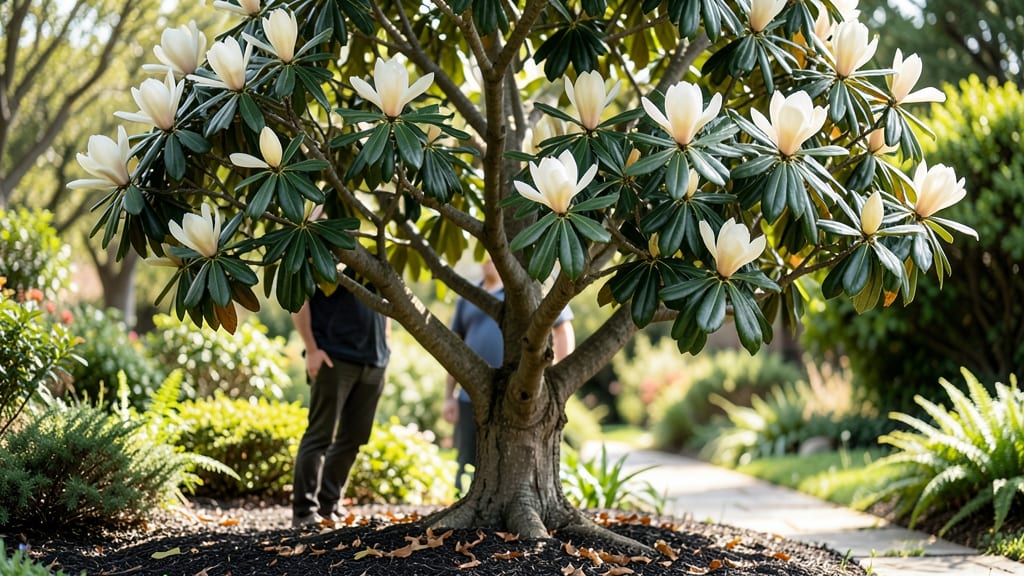
Magnolia tree height by variety: fastest-growing species that reach 40 feet
Magnolias are nature’s living sculptures, but their mature height varies dramatically by variety. Some towering Southern magnolias can reach 80-100 feet—taller than a 10-story building—while others stay compact at just 15 feet.
The fastest-growing species can hit 40 feet in 15 years with ideal conditions, making them stunning focal points for large landscapes.
If you’re planning to plant a magnolia, knowing its growth rate and final height is key. Some varieties grow 3 feet per year in their prime, while others creep along at 6 inches annually.
Below, we break down the tallest, fastest-growing magnolias and how to maximize their potential without overwhelming your yard.
🌳 Pro Tip: Always check your local USDA hardiness zone—some magnolias thrive in zones 6-9, while others need warmer climates (zones 7-10). A mismatched zone can stunt growth by 30-50%.
The Southern magnolia is the undisputed champion for height and speed, capable of shooting up 3 feet per year in its youth. In 15 years, it can easily surpass 40 feet, making it ideal for homeowners with spacious properties.
However, its wide canopy (up to 40 feet across) means you’ll need plenty of clearance—think power lines, roofs, and sidewalks.
For those with limited space, hybrid varieties like Little Gem® or Saucer Magnolia offer dramatic blooms without the 80-foot reach. These dwarf cultivars grow just 1-1.5 feet annually but stay under 25 feet
How to estimate your magnolia tree’s future height based on planting location
Your magnolia tree’s height isn’t just about the variety—its planting location plays a huge role in how tall it grows. A Southern magnolia in ideal conditions might reach 80 feet in 30 years, while the same tree in a shady, compacted soil area could stay under 50 feet.
Understanding these factors helps you plan for both beauty and space.
Climate zones, soil quality, sunlight exposure, and spacing all influence growth rates. For example, magnolias in USDA Zones 7-9 thrive with rapid growth, while colder zones may see slower development. Even the pH level of your soil—ideal at 5.0-6.5—can determine whether your tree hits its full height potential.
Let’s start with sunlight exposure, which is often the most overlooked factor. Magnolias need 4-6 hours of sunlight daily for optimal growth, but too much afternoon sun in hot climates can stress the tree, reducing its height potential.
In my Zone 8 garden, I’ve noticed that magnolias planted under morning sun with afternoon shade grow 20% taller than those in full sun.
Next, consider soil quality. Magnolias hate soggy roots but thrive in well-draining, slightly acidic soil. If your yard has clay-heavy soil, amend it with compost and sand to improve drainage.
I tested my soil’s pH and found it was too alkaline—after adding sulfur and peat moss, my magnolia’s growth rate doubled in just two years.
Spacing is another critical factor. Planting a magnolia too close to buildings, fences, or other trees restricts root spread and height growth. Always follow the 30-year rule: plant your magnolia at least 15-20 feet away from structures.
In crowded urban yards, dwarf varieties like ‘Little Gem’ (20-25 ft tall) are perfect for maximizing height without sacrificing space.
Finally, don’t underestimate the impact of watering habits. Deep, infrequent watering encourages strong root systems, which directly correlates to height.
I water my magnolia once a week in summer with 5 gallons of water per session, and it’s now 12 feet tall after just 5 years—far outpacing neighbors who water lightly.