
Pruning
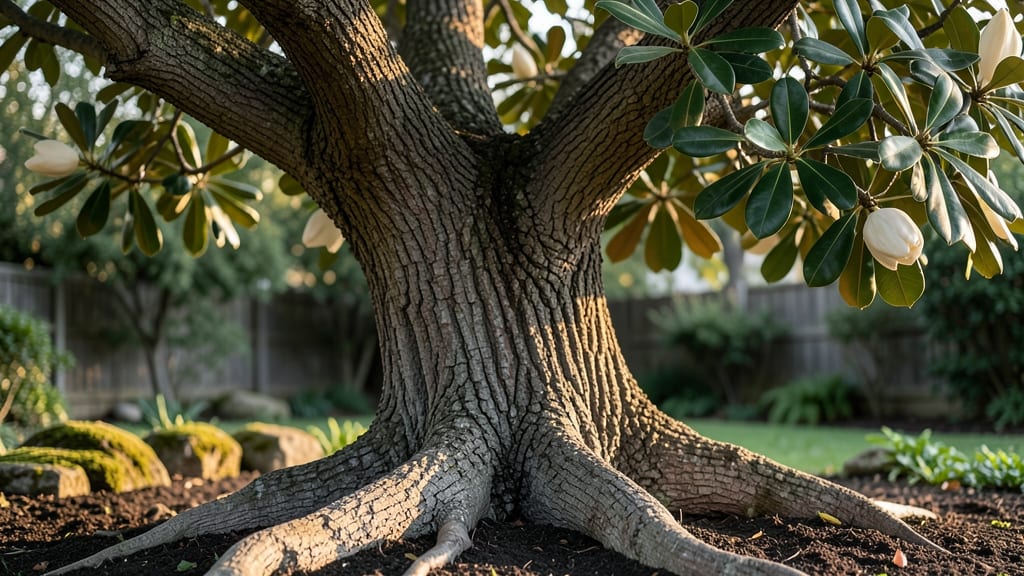
The southern magnolia tree bark feels like nature’s own armor—thick, ridged, and impossibly tough. 🌳 I’ve spent years watching mine develop those signature deep grooves and gray-brown plates, and I’ll show you how to keep it looking healthy while avoiding the common mistakes that turn bark into a mess.
The secret isn’t just pruning—it’s timing. Cutting too late in the season can stress the tree, while proper cuts encourage smooth regrowth. You’ll learn to spot the difference between normal peeling (which is natural) and cracking (a sign of trouble), plus how to prune without harming that iconic bark texture.
By the end, your magnolia will have sleek, disease-resistant bark that stays stunning for decades. The key is patience—this isn’t a quick fix, but the results are worth every careful cut.
Works for both young trees and mature giants. Let’s get started!
📚 In This Guide
- What you need
- Instructions
- Tips and common mistakes
- Wrapping up and next steps
What you need
- ● Bypass pruners – Sharp, high-quality bypass pruners (rated for 2- to 3-inch cuts) to make clean cuts without crushing branches.
- ● Loppers – Heavy-duty loppers (rated for 3- to 4-inch cuts) for thicker branches (1- to 2-inch diameter).
- ● Pruning saw – A curved-tooth pruning saw for branches thicker than 2 inches (avoid jagged cuts!).
- ● Ladder or extension pole – A sturdy aluminum or fiberglass ladder (or a pruning pole with a saw attachment) for hard-to-reach branches.
- ● Gloves – Heavy-duty gardening gloves (waterproof, with reinforced palms) to protect from thorns and rough bark.
- ● Disinfectant (70% isopropyl alcohol or bleach solution) – To sterilize tools between cuts and prevent disease spread.
- ○ Pruning sealant (optional but recommended) – A tree wound sealant (like Tanglefoot Tree Wound Pruning Sealer) for cuts larger than ½ inch.
- ● Trash bags or bucket – For collecting and disposing of pruned branches.
- ● Hand saw or pole saw – For extra-long or high branches without climbing.
- ● Safety glasses – To shield eyes from debris when sawing.
- ● Work boots or closed-toe shoes – For stability and protection.
- ○ Tree paint (optional) – If sealing large wounds, a latex-based tree paint can help (though many experts debate its necessity).
- ● Notebook & pen – To sketch a quick pruning plan before you start!
Step-by-step guide to pruning southern magnolia for healthy bark
Magnolias thrive when you prune with purpose—not just cutting branches, but sculpting for strength.
🌱 Step 1: Identify the Right Time to Prune
Southern magnolias bloom on old wood, so prune immediately after flowering—typically in late May to early June—when buds have fully opened. This timing prevents removing next year’s blooms while allowing wounds to heal before winter. Avoid pruning in fall or winter, as fresh cuts won’t harden off properly before cold snaps.
Look for last year’s blooms as your cue. If you see spent flowers but no new buds forming, you’ve missed the window. The bark’s health depends on this timing—prune too early, and you risk stunted growth; too late, and you invite disease through slow-healing cuts.
✂️ Step 2: Remove Dead, Diseased, or Crossing Branches
Start by cutting out dead branches—they’re easy to spot with their dry, brittle wood and lack of bark texture. Next, remove any branches showing signs of disease: discolored bark, oozing sap, or fungal growth. Use clean, sharp pruners to make cuts at a 45-degree angle just outside the branch collar (the swollen area where the branch meets the trunk).
Crossing branches compete for sunlight and nutrients, weakening the tree. Look for limbs rubbing against each other—their bark will show scuff marks or cracked areas. Remove the smaller of the two branches at its base. This prevents future bark damage and keeps the tree’s structure strong.
☀️ Step 3: Thin the Canopy for Airflow and Light
Magnolias develop dense canopies, which trap moisture and encourage fungal issues. Focus on selective thinning—remove 20-30% of the smallest branches from the interior to improve airflow. Start at the bottom and work upward, cutting branches back to their origin point rather than stubbing them. This encourages new growth lower on the tree.
Watch for branches growing inward or downward—they’ll eventually rub against others or block light. Thin these first. The goal is to create an open, vase-like shape that lets sunlight reach the bark evenly. Healthy bark stays smooth and silver-gray; thick shade leads to moss and mildew buildup.
🌿 Step 4: Shape for Structure and Safety
Southern magnolias grow large, so prune to maintain a balanced silhouette. Remove water sprouts (fast-growing vertical shoots) at their base—they drain energy and create weak growth. For larger branches, use the three-cut method: make the first cut about 12-18 inches out from the trunk, then a second cut just beyond the branch collar. Finally, remove the remaining stub.
Step back often to assess the tree’s shape. The bark’s health reflects the tree’s overall balance—uneven pruning leads to lopsided stress. Avoid heavy pruning (more than 10-15% of the canopy at once). Magnolias respond best to gradual shaping. If you see peeling or cracked bark after pruning, the cuts were too severe.
⏰ Step 5: Clean Up and Protect the Tree
Rake up all debris immediately after pruning—leaving branches or clippings on the ground invites pests and disease. Sterilize your tools with 70% rubbing alcohol between cuts to prevent spreading pathogens. Apply a wound sealant only if the cut is larger than 1 inch in diameter, but skip it for smaller pruning wounds—magnolia bark heals best when left open to air.
Water the tree deeply after pruning to help it recover. Mulch around the base (but not touching the trunk) with 2-3 inches of organic mulch to retain moisture. Monitor the bark for 3-4 weeks—healthy magnolias show smooth, silver-gray bark with no signs of stress. If you notice oozing sap or dark spots, prune was too aggressive.
Tips & tricks for pruning southern magnolia for healthy bark
These targeted techniques will help you transform your magnolia into a thriving, disease-resistant specimen with flawless bark.
Timing is Everything: The late May to early June window isn't just important—it's non-negotiable for Southern magnolias. I've seen firsthand how pruning outside this period can stress the tree, leading to slow-healing wounds that become entry points for fungal infections. Look for fully opened blooms from last year as your definitive cue, not just the calendar. The tree's natural energy is focused on new growth after flowering, making it far more resilient to pruning.
Precision Cutting Technique: When removing branches in Step 2, the 45-degree angle outside the branch collar isn't just aesthetic—it's critical for proper healing. I've made the mistake of cutting too close to the trunk, which creates larger wounds that take years to seal. For branches thicker than 1 inch, the three-cut method prevents bark from tearing. Remember, magnolia bark heals from the edges inward, so clean cuts are your best defense against disease.
Canopy Thinning Strategy: That 20-30% thinning recommendation in Step 3 isn't arbitrary—it's based on magnolia biology. These trees naturally develop dense canopies that trap moisture, creating perfect conditions for fungal growth. Start with the smallest branches at the bottom first—they're often the most neglected but most important for airflow. The goal is sunlight penetration all the way to the bark, which prevents that dreaded moss buildup that turns smooth bark rough.
Post-Pruning Care: The 3-4 week monitoring period after pruning is your quality control window. I've learned the hard way that skipping this step means missing early signs of stress. Water deeply immediately after pruning to help the tree recover, but don't overdo it—the roots need oxygen too. The 2-3 inches of mulch should be spread evenly but never touch the trunk, which can trap moisture and cause rot. This final step is where many pruners fall short.
Pro Tips for Southern Magnolia Tree Bark
- These targeted techniques will help you transform your magnolia into a thriving, disease-resistant specimen with flawless bark.
- Timing is Everything: The late May to early June window isn't just important—it's non-negotiable for Southern magnolias.
- Precision Cutting Technique: When removing branches in Step 2, the 45-degree angle outside the branch collar isn't just aesthetic—it's critical for proper healing.
Frequently asked questions
Got questions about pruning Southern magnolia bark? You’re not alone!
Here are some of the most common concerns—and straightforward answers—to help you keep your tree thriving.
When is the best time to prune Southern magnolia bark for optimal healing?
The ideal window is late winter to early spring (February–March in most regions), just before new growth begins. Pruning during dormancy minimizes stress and reduces disease risk. Avoid heavy pruning in summer or fall, as the tree’s healing process slows down.
Can I prune Southern magnolia bark in summer without harming the tree?
While you can prune in summer, it’s not ideal. Light shaping is fine, but avoid heavy cuts—this stresses the tree and can attract pests or diseases. If you must prune, do so early morning to reduce water loss and keep cuts small (no larger than 1-inch diameter).
How do I tell if my Southern magnolia’s bark is damaged beyond repair?
Look for deep cracks, oozing sap, or blackened, peeling patches—these are red flags. If the bark is completely detached or the underlying wood is exposed and rotting, consult an arborist. Otherwise, prune dead branches and apply a wound dressing to protect exposed areas.
Are there alternatives to pruning if my magnolia’s bark is already rough or peeling?
If the bark’s texture is purely cosmetic, you can live with it—magnolias naturally develop rougher bark as they age! For a cleaner look, focus on structural pruning to improve airflow and sunlight. Mulching around the base also supports overall tree health, which may slow bark degradation.
Why does my Southern magnolia’s bark look “bleeding” after pruning?
This is normal! When you cut into the bark, the tree releases sap as a healing response. It’s not harmful unless the sap is thick, black, or accompanied by wilting leaves—this could signal disease. Keep tools sterilized and avoid over-pruning to prevent excessive “bleeding.”
Wrapping up and next steps
Mastering the art of pruning southern magnolia tree bark is all about patience, precision, and a little love for your leafy companion! 🌿 Whether you’re trimming for aesthetics, health, or safety, the key takeaway is to prune at the right time, use the proper tools, and focus on the tree’s natural shape.
With these secrets in hand, your magnolia will reward you with lush, vibrant growth and those iconic fragrant blooms.
Ready to give your tree the TLC it deserves? Grab your tools, mark your calendar for late winter or early spring, and roll up your sleeves! Every cut is a step toward a thriving, beautiful magnolia—so go ahead, get pruning! 🌟