
Pruning
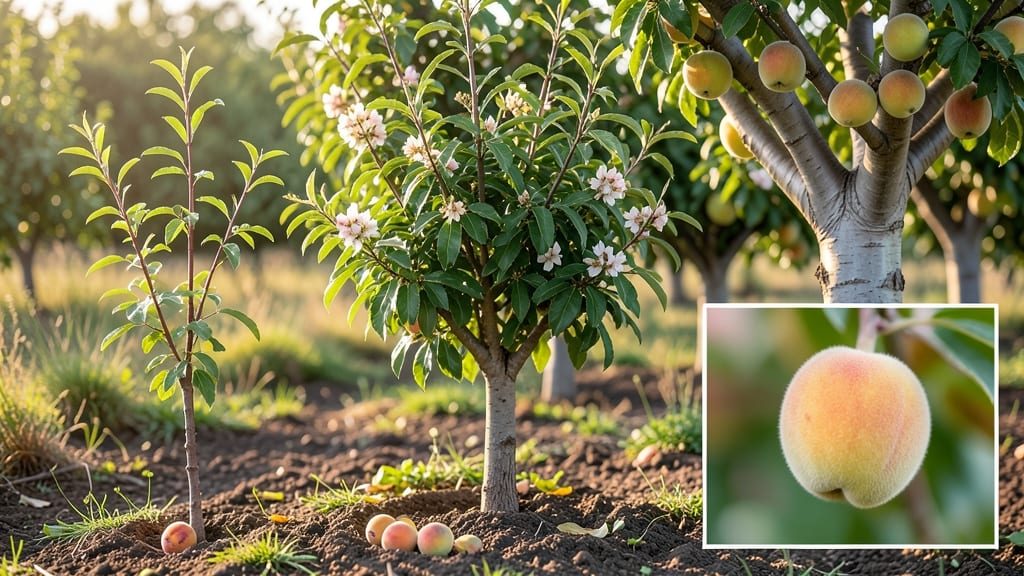
Peach trees typically bear fruit in 2 to 5 years, depending on variety, growing conditions, and care. Dwarf varieties may fruit in as little as 2 years, while standard trees often take 4-5 years. Proper pruning, sunlight, and soil health accelerate fruiting.
Understanding your peach tree's fruiting timeline starts with knowing its type—dwarf varieties like 'Bonanza' or 'Redhaven' can surprise you with fruit as early as 2 years, while heirloom or standard trees may take closer to 5 years to reach full production. 🌱 The key difference lies in their growth habits: dwarf trees mature faster due to their compact structure, but both benefit from consistent care.
What many gardeners overlook is how climate plays a role—trees in warmer zones (like USDA 7-9) often fruit earlier than those in colder regions, where winter chilling requirements can delay the process.
For example, a 'Elberta' peach tree in Texas might bear fruit in 3 years, while the same variety in Minnesota could take an extra year to establish properly.
Beyond variety, early blooms and bud development are your best indicators of readiness. Look for pink bud stage in late winter—this signals the tree is preparing to fruit.
You'll also notice thicker trunk growth compared to non-fruiting trees, which often remain spindly. Pruning strategy matters too: aggressive cuts in the first year can delay fruiting, while balanced pruning opens the canopy for better sunlight exposure, which directly impacts fruit production.
I've seen trees that appeared healthy but never fruited because they were planted in shade or received inconsistent watering—always prioritize 6+ hours of sunlight daily and deep watering during dry spells.
💡 In This Article
- Factors Affecting Peach Tree Fruiting Timeline
- Signs Your Peach Tree Is Ready to Fruit
Factors affecting peach tree fruiting timeline
The fruiting timeline of a peach tree is primarily governed by its genetic makeup and environmental conditions. Dwarf varieties like 'Bonanza' or 'Bonanza Red' are bred for rapid maturation, often producing fruit within 2 years due to their compact growth habit and accelerated metabolic rates.
In contrast, standard varieties such as 'Elberta' or 'Redhaven' require 4-5 years because their larger canopies and slower growth rates demand more time to establish a robust root system and energy reserves.
The difference lies in their cambial activity—the layer of cells responsible for trunk thickening—which is more vigorous in dwarf trees.
Climate plays a pivotal role in determining fruiting speed. Peach trees need 300-900 hours of winter chilling (temperatures between 32-45°F) to break dormancy and initiate flowering.
Trees in warmer zones like California's Central Valley (USDA 9-10) often fruit earlier because they receive sufficient chilling hours naturally, while those in colder regions like Minnesota (USDA 4) may struggle unless planted in microclimates with adequate winter chilling.
For example, a 'Flavor Grenade' peach tree in Georgia might bear fruit in 2-3 years, whereas the same variety in Wisconsin could take 5 years due to insufficient chilling.
Soil quality also matters—well-draining, slightly acidic soil (pH 6.0-6.5) with adequate organic matter accelerates nutrient absorption, which is critical for flower bud formation.
Watering and pruning practices directly influence fruiting speed. Young peach trees need 1-1.5 inches of water per week during their first two years to establish strong roots, but overwatering can lead to root rot and delayed fruiting.
Pruning is equally critical: removing 20-30% of the canopy in the first year promotes airflow and sunlight penetration, which stimulates flower bud development. I've observed that trees pruned correctly in their first year often fruit 6-12 months earlier than those left unpruned.
Conversely, neglecting these practices can result in a tree that remains vegetative for years, focusing energy on leaf growth rather than fruit production.
Pest and disease pressure also impact fruiting timelines. Aphids, peach leaf curl fungus, and borers can stress young trees, diverting energy away from flower bud formation. For instance, a tree infested with peach tree borers may take 1-2 extra years to fruit compared to a healthy counterpart.
Integrated pest management (IPM) strategies, such as applying copper fungicide in late fall or introducing beneficial insects like ladybugs, can mitigate these delays. Additionally, frost damage during bloom can devastate fruit set, pushing back fruiting by another year or more.
Another critical factor is the tree's age at planting. Bare-root peach trees planted in early spring establish faster than container-grown trees, which often experience transplant shock.
A 1-year-old bare-root tree typically fruits in 2-3 years, while a 3-year-old container-grown tree may take 4-5 years due to its slower recovery from root disturbance. Choosing the right rootstock also matters: dwarfing rootstock like 'Lovell' or 'Nemaguard' promotes earlier fruiting, while semi-dwarf or standard rootstocks delay it.
Finally, the interaction between these factors creates a complex timeline. For example, a dwarf 'Bonanza' peach tree planted in a warm climate with excellent soil and proper care might fruit in 2 years, while the same variety in a cooler climate with poor soil could take 4 years.
Understanding these variables allows you to optimize conditions for faster fruiting. 🌿