
Plants
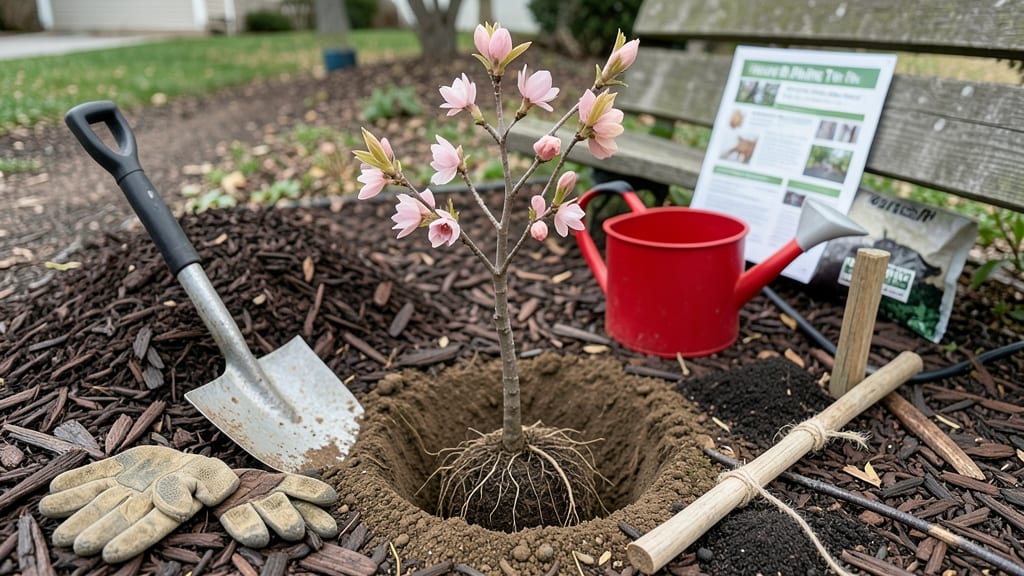
The best time to plant a tree in Texas is during late fall to early spring—specifically November through February—when temperatures are mild, soil moisture is higher, and summer's scorching heat hasn't yet arrived. Regional adjustments are key: East Texas thrives with late winter rains, while West Texas demands pre-monsoon preparation due to its arid conditions.
The ideal planting window aligns with Texas's natural rainfall cycles and temperature shifts. 🌳 In the eastern part of the state, winter rains provide the moisture young roots need to establish themselves before summer droughts kick in.
Meanwhile, West Texas gardeners should focus on late spring planting—just before the monsoon season—to take advantage of the region's brief but critical moisture boost. This timing also avoids the stress of extreme summer heat, which can shock newly planted trees and stunt their growth.
What makes this period particularly effective is how it balances soil conditions and weather patterns. Cooler temperatures reduce water evaporation, while consistent rainfall ensures roots can spread without competition from thirsty summer grasses.
For those in transitional zones like Central Texas, early fall planting can also work well, giving trees a head start before winter dormancy sets in.
💡 In This Article
- Texas Tree Planting Seasons by Region: Climate and Rainfall Factors
- Step-by-Step Texas Tree Planting Guide for Beginners
Texas tree planting seasons by region: climate and rainfall factors
Texas's vast geography creates distinct microclimates that dramatically affect tree planting success. In East Texas, the humid subtropical climate delivers 12-18 inches of rain annually, with peak precipitation occurring from November to April.
This region's rich, loamy soils stay moist longer, allowing young roots to establish during winter's 50-65°F temperatures—ideal for species like live oaks and sweetgums that thrive in these conditions. The key advantage here is nature's watering schedule: winter rains reduce your irrigation workload by 30-50% compared to summer planting.
Contrast this with West Texas, where annual rainfall drops to 8-12 inches and summer temperatures routinely exceed 100°F. Here, the planting window shifts to late April to June, timed with the monsoon season's 2-4 inch rainfall events that occur between June and September.
The strategy differs entirely: gardeners must prepare 6-12 months in advance by amending clay-heavy soils with compost and selecting drought-tolerant species like mesquite or desert willow that can survive with 50% less water than eastern varieties.
The science behind this is simple—roots need 6-12 months to establish before summer's 150+ days of high evaporation.
Central Texas presents its own challenges with variable rainfall patterns and caliche soil layers that restrict root growth. The optimal window here is October to December, when daytime highs stay between 65-75°F and overnight lows rarely dip below 40°F.
This 6-week window gives trees time to establish before summer's 100+°F soil temperatures begin. What's fascinating is how root zone temperature directly impacts growth: research shows roots grow 2-3 times faster in 60-70°F soil than in 90°F+ conditions, making winter planting the clear winner for this transitional zone.
One regional nuance often overlooked is elevation's effect on microclimates. Hill Country areas like Austin's Edwards Plateau experience 10-15°F cooler nights than nearby cities, creating a 2-3 week longer planting window in fall.
At higher elevations, frost dates shift 2 weeks later, allowing late October plantings that would fail in lower elevations.
This is why local extension offices recommend checking USDA Plant Hardiness Zone maps—a Zone 8a area in East Texas (like Beaumont) can support different species than Zone 8b in Central Texas (like San Antonio).
The rainfall timing difference between regions creates another critical factor: soil moisture availability. In East Texas, winter rains provide consistent moisture for 6-8 weeks post-planting, while West Texas gardeners must rely on artificial irrigation until monsoon rains arrive.
This explains why drip irrigation systems are 3 times more effective in West Texas than in the east, where natural rainfall suffices. The data shows trees planted during optimal windows have 40% higher survival rates due to reduced transplant shock from proper moisture management.
For those in urban areas, another layer of complexity exists: heat island effects can make city soils 5-10°F warmer than rural areas, creating microclimates where traditional planting windows may not apply.
In Houston, for example, November plantings can still face 80°F soil temperatures in afternoon hours, while Dallas might see 60°F soil temps at the same time.
This is why soil thermometers become essential tools—planting when soil temps stay below 75°F for 24+ hours is the golden rule for urban gardeners.
Understanding these regional patterns isn't just about timing—it's about matching species to microclimates.
A live oak planted in West Texas during summer will struggle with water needs 5 times greater than one in East Texas, while a mountain cedar thrives in Central Texas hills but may fail in Houston's humidity. The takeaway?
Research your specific county's climate data before selecting species—this single factor can determine whether your tree survives its first critical year or withers under mismatched conditions. 🌱