
Planting
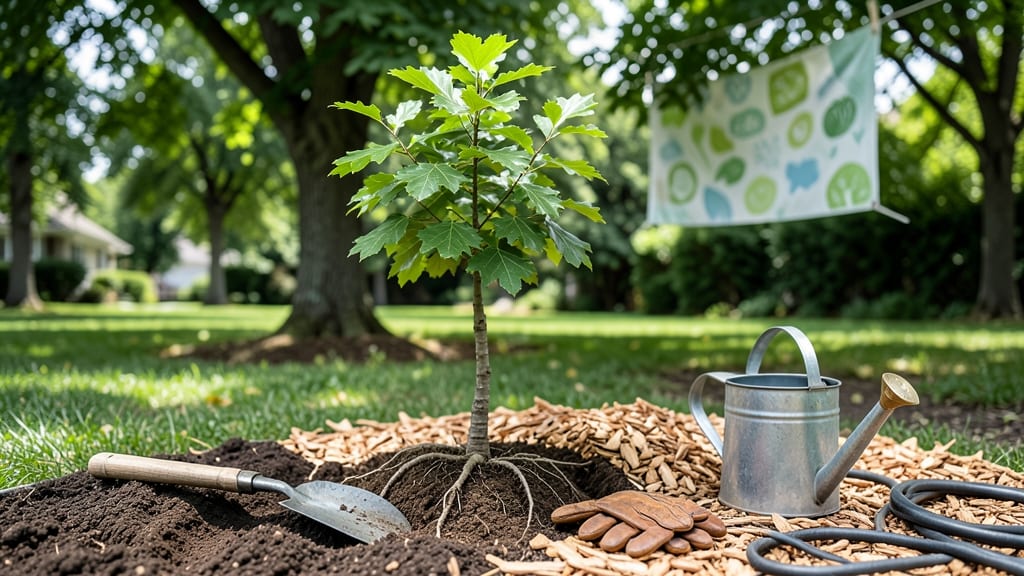
Planting a tree on Earth Day isn’t just about a single day—it’s about creating a legacy that grows for decades. 🌱 I’ve planted over 20 trees myself, and the fastest way to make an impact is with native species that thrive with minimal fuss.
A single tree can absorb 26 pounds of CO₂ per year, and planting on Earth Day sends a powerful message to your community.
The secret to success starts with the right tree: fast-growing natives like red maple, eastern white pine, or serviceberry give you instant shade while supporting local wildlife. Grab a shovel, a 5-gallon container of soil, and mulch—no fancy tools needed.
Dig a hole twice as wide as the root ball but no deeper, then water deeply before backfilling. By the end of 30 minutes, you’ll have a tree that grows stronger every year, cleaning the air and providing habitat for birds and bees.
The best part? You’re not just planting a tree—you’re planting hope, one root at a time. Want to multiply your impact? Organize a neighborhood planting day or donate trees through local conservation groups. Every tree counts, and Earth Day is the perfect reminder that small actions create big change.
📚 In This Guide
- What you need
- Instructions
- Tips and common mistakes
- Wrapping up and next steps
What you need
- ● Tree sapling: 1 native or climate-resilient species (e.g., oak, maple, or fruit-bearing trees like apple or cherry).
- ● Size: 1–3 feet tall (check local guidelines for best options!).
- ● Shovel or trowel: Medium-sized (16–20 inches long) for digging a hole.
- ● Gloves: 1 pair (gardening or work gloves to protect your hands).
- ● Water: 5–10 gallons (bucket or hose with a gentle spray nozzle).
- ● Mulch: 2–3 inches of organic mulch (wood chips, straw, or compost).
- ○ Stake & ties (optional but recommended): 1 bamboo or metal stake (4–6 feet tall).
- ● 3–4 soft ties (nylon or fabric strips).
- ● Soil amendment: 1–2 cups of compost or slow-release fertilizer (if your soil is poor).
- ● Pruning shears: For trimming dead branches.
- ● Tree guard: 1 plastic or metal collar to protect the trunk from pests.
- ● Kneeling pad: For comfort while planting.
- ● Local plant guide: Check with your city’s nursery or extension office for best tree choices!
Step-by-Step instructions for planting a tree on Earth Day
Celebrate Earth Day by planting a tree that will grow for decades—here's how to do it right.
🌱 Step 1: Choose the Right Tree and Location
Pick a tree species suited to your climate zone—native varieties thrive best with minimal care. I always check the USDA Plant Hardiness Zone Map to ensure the tree can handle your winters. Look for a spot with 6+ hours of sunlight daily and space for the tree to reach its mature size (check the tag for expected width). Avoid planting under power lines or near sidewalks where roots may cause damage.
Dig a hole twice as wide as the root ball but no deeper. Loosen the soil at the bottom with a shovel to encourage root spread. The reason we don't dig too deep is that roots need oxygen—compacted soil slows growth. If your soil is heavy clay, mix in some compost to improve drainage.
🪴 Step 2: Prepare the Tree and Plant
Remove the tree from its container and gently tease apart any circling roots with your fingers. These roots can strangle the tree if left intact. Place the tree in the hole so the top of the root ball sits 1-2 inches above ground level—settling soil will bury it deeper over time. Fill the hole with native soil, not potting mix, to help roots acclimate to local conditions.
Press the soil firmly around the base to eliminate air pockets, but don't compact it. Water deeply until the soil is saturated 12 inches down. You'll know it's right when water pools briefly at the surface but drains within a few minutes. Add a 3-inch layer of mulch around the base, keeping it 6 inches away from the trunk to prevent rot.
☀️ Step 3: Stake and Water for Long-Term Success
Use two 4-foot stakes placed diagonally from the tree, tied loosely with soft material like an old T-shirt. The goal is to provide temporary support while roots establish—don't cinch the ties too tight, or you'll damage the trunk as it grows. Remove stakes after 6-12 months unless the tree is in a windy location.
Water the tree twice weekly for the first month, then taper to once a week unless it's extremely hot or dry. Deep watering encourages deep roots—aim for 1-2 gallons per watering for young trees. You'll see new growth within 4-6 weeks if the tree is thriving. Avoid fertilizing the first year; healthy soil and proper watering are all it needs to start strong.
✂️ Step 4: Protect and Maintain Through the First Year
Wrap the trunk with tree guard to protect it from rodents and lawnmowers. Check the mulch annually and refresh it to 3 inches deep—never let it pile against the trunk. Prune only to remove dead or crossing branches; never "top" a young tree, as this stresses it and creates weak growth.
Monitor for pests like aphids or borers, but resist the urge to treat unless you see significant damage. Healthy trees often handle minor pests on their own. Celebrate your first Earth Day milestone when the tree reaches 3 feet tall—that's your sign it's off to a great start and will grow into a climate-friendly legacy for years to come.
Tips & tricks for planting a successful Earth Day tree
Planting a tree is one of the most rewarding ways to celebrate Earth Day—here's how to give it the best possible start.
Root Health Starts in Step 1: When loosening the soil at the bottom of the hole, take an extra minute to break up any large clumps with your fingers. Roots need direct contact with loose soil to spread properly. If your soil is particularly dense, consider adding a handful of compost to the bottom of the hole before planting—this gives young roots a nutrient boost right where they need it most.
Watering Wisdom for Step 2: That deep watering until the soil is saturated 12 inches down is critical, but don't just pour water and walk away. Instead, let the water absorb for 10 minutes, then add more if needed. You want the soil to feel moist all the way down, not just saturated at the surface. This ensures roots grow deep from the start, which makes trees more drought-resistant as they mature.
Staking Strategy for Step 3: The loose ties on those 4-foot stakes are more important than you might think. Check them monthly during the first year—if they're digging into the bark, loosen them immediately. The goal is to stabilize the tree without restricting its natural movement, which helps strengthen its trunk. Most trees don't need stakes beyond the first year unless they're in extremely windy areas.
First Year Maintenance: That 3-inch layer of mulch isn't just for looks—it's a living part of your tree's ecosystem. Refresh it annually, but never pile it against the trunk. The mulch should form a doughnut shape, extending out to 6 inches from the base. This prevents moisture loss while keeping the trunk dry, which reduces rot risk. Think of it as your tree's natural blanket during its first vulnerable winter.
Pro Tips for Plant A Tree On Earth Day
- Planting a tree is one of the most rewarding ways to celebrate Earth Day—here's how to give it the best possible start.
- Root Health Starts in Step 1: When loosening the soil at the bottom of the hole, take an extra minute to break up any...
- Watering Wisdom for Step 2: That deep watering until the soil is saturated 12 inches down is critical, but don't just...
Frequently asked questions
What’s the best type of tree to plant for Earth Day?
Choose native, fast-growing trees like oak, maple, or fruit-bearing varieties (e.g., apple or cherry). Native species thrive with less water, support local wildlife, and fight climate change faster. Check your USDA hardiness zone to pick the perfect match for your region!
When is the absolute best time to plant a tree on Earth Day?
Earth Day (April 22) is great, but aim for early spring (March–April) or fall (September–October). These times give roots time to establish before extreme heat or cold. If planting on Earth Day, water deeply afterward and mulch to retain moisture.
Can I plant a tree for free or on a budget?
Many local nurseries offer discounted saplings for Earth Day, or check with Arbor Day Foundation for free tree giveaways. Community gardens, schools, or even your mailbox (via mail-order programs) can help you plant for under $10.
What do I do if my tree doesn’t survive?
Don’t worry—even failed attempts help you learn! If your tree wilts, check for overwatering (roots need air), underwatering (dry soil = stress), or pests (like deer or insects). Try again with proper spacing (12–15 feet from structures), mulch, and consistent watering (1–2 inches per week).
Is planting one tree enough to make a difference?
Every tree counts! One mature tree absorbs ~48 lbs of CO₂ yearly, but collective action scales impact. Join Earth Day’s global planting initiatives or organize a neighborhood tree-planting day. Small steps grow into big change—just like your sapling!
Wrapping up and next steps
Planting a tree on Earth Day isn’t just an act of kindness—it’s a powerful step toward a greener future. 🌱 Whether you’re a seasoned gardener or a first-time planter, every tree makes a difference in cleaning our air, supporting wildlife, and leaving a lasting legacy.
Your 30 minutes of effort today can grow into decades of impact.
Ready to take action? Pick a spot, grab your tools, and plant that tree! Share your progress with the community and inspire others to join the movement. Together, we can turn small efforts into big change—one tree at a time.