
Pruning
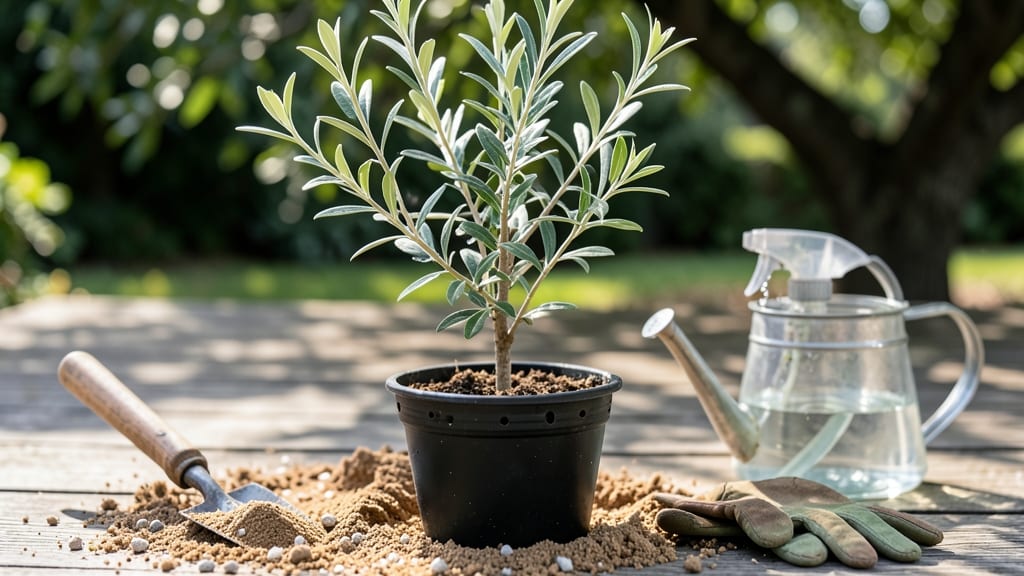
Growing an olive tree seedling means turning a tiny sapling into a sturdy, sun-loving plant that could one day produce fruit. 🌱 I’ve nursed root-bound seedlings back to health with these simple steps—no green thumb required, just patience and the right conditions.
The key is loosening the roots before planting, then giving it well-draining soil and bright light from day one. Olive seedlings hate soggy feet, so we’ll focus on watering just enough to keep the soil moist—not wet.
A south-facing window or outdoor spot gets them off to the fastest, healthiest start. Within 6-8 weeks, you’ll see new growth pushing through, and the plant will outgrow its nursery pot.
The trick is catching root-bound stress early—yellowing leaves or stunted growth mean it’s time to repot before the roots circle the pot. This works for container-grown olives or in-ground plantings, even in cooler climates if you bring them indoors during winter. Let’s get those roots breathing again!
📚 In This Guide
- What you need
- Instructions
- Tips and common mistakes
- Wrapping up and next steps
What you need
- ● Olive tree seedling – Choose a healthy, root-bound specimen (1-3 years old) with visible roots circling the pot.
- ● Well-draining potting mix – 50% cactus/succulent mix + 50% perlite or pumice (avoid heavy garden soil!).
- ● Pot or container – 1-2 sizes larger than the current pot (e.g., 1-gallon for small seedlings, 3-gallon for established ones). Ensure drainage holes!
- ● Pruning shears or sharp knife – Sterilized to avoid disease (rubbing alcohol works).
- ○ Rooting hormone (optional but helpful) – A gel or powder to encourage new root growth.
- ● Watering can with a fine rose – For gentle hydration without disturbing soil.
- ● Gloves – Protects hands from sap and sharp roots.
- ● Trowel or small shovel – For careful soil removal.
- ○ Mulch (optional) – A thin layer of gravel or bark to retain moisture.
- ● Fertilizer (low-nitrogen, balanced) – Like 5-5-5 or olive tree-specific feed (use sparingly!).
- ○ Sunlight gauge (optional) – To track 6+ hours of full sun daily.
Step-by-Step instructions for reviving root-bound olive tree seedlings
Here’s how to transform a struggling olive tree seedling into a vigorous, fast-growing plant.
🪴 Step 1: Examine and Prepare the Root System
Start by gently removing the seedling from its pot and examining the roots. Olive trees often become root-bound quickly, so you’ll likely see a dense, circular mass of roots circling the base. This restricts growth and can suffocate the plant. Use your fingers to carefully tease apart the worst tangles—never force it, as you risk damaging delicate feeder roots.
Trim any dead or mushy roots with clean, sharp pruners, cutting back to healthy tissue. Healthy roots should be firm and white or light tan, while dead roots will be brown and soft. This step ensures your seedling has a strong foundation for new growth. If the roots are severely matted, soak the root ball in lukewarm water for 10-15 minutes to loosen the soil slightly before handling.
✂️ Step 2: Prune the Canopy to Balance Growth
While the roots are still exposed, prune the top growth to match the root system’s new shape. Olive trees respond well to pruning, but don’t overdo it—remove only 20-30% of the foliage. Focus on cutting back leggy or overcrowded branches to encourage bushier growth. Use clean pruners and make cuts just above a leaf node or lateral bud to promote healing.
This step is critical for fast recovery. A balanced plant allocates energy to root regeneration instead of supporting excessive foliage. You’ll notice new shoots emerging within 4-6 weeks as the tree adjusts to its pruned state. Avoid pruning in extreme heat or cold—aim for a mild day when temperatures are between 60-75°F.
🌱 Step 3: Repot with Well-Draining Soil
Choose a pot that’s 2-3 inches larger in diameter than the seedling’s root ball to give it room to grow without becoming root-bound again. Fill the bottom 1/3 of the pot with a mix of cactus/succulent soil and perlite (in a 2:1 ratio) for excellent drainage. Olive trees hate soggy roots, so this mix prevents rot while allowing airflow.
Place the seedling in the pot and fill around the roots with the soil mix, pressing gently to eliminate air pockets. Water lightly until moisture seeps from the drainage holes, but avoid saturating the soil. Position the pot in bright, indirect light for the first 7-10 days to reduce stress. Direct sunlight can scorch new leaves as the tree recovers.
☀️ Step 4: Adjust Light and Water Gradually
After two weeks, gradually introduce the seedling to morning sun for 2-3 hours daily, then increase exposure over 10-14 days until it tolerates 6+ hours of direct sunlight. Olive trees thrive in full sun but need time to acclimate. Watch for signs of stress—yellowing leaves or wilting indicate too much sun or water.
Water only when the top 2 inches of soil feel dry. Overwatering is the fastest way to kill an olive tree seedling, so err on the side of underwatering. After 6 weeks, you’ll see new growth as a sign the rescue was successful. Fertilize lightly with a balanced, low-nitrogen fertilizer (10-10-10) diluted to half strength to support recovery.
Tips & tricks for reviving root-bound olive tree seedlings
Between us, the difference between a struggling olive seedling and a thriving young tree often comes down to these key moves during the rescue process.
Root System Revival: In Step 1, when you're teasing apart those tangled roots, work slowly—think of it like untangling headphones. The goal is to separate the worst knots without breaking the delicate feeder roots. If the roots are extremely matted, that 10-15 minute lukewarm water soak is your secret weapon. The gentle warmth helps loosen the soil without shocking the plant, making the untangling process much easier.
Pruning Precision: That 20-30% foliage reduction in Step 2 might seem drastic, but trust me on this—it's what triggers the plant's recovery response. Focus on removing the longest, most leggy branches first, as these are sapping energy that could go toward root regeneration. Make your cuts just above a leaf node where you can see a tiny bump or bud forming; this ensures the plant has a growth point ready to sprout new leaves.
Soil Science: The 2:1 ratio of cactus/succulent soil to perlite in Step 3 isn't just about drainage—it's about creating the perfect air-to-moisture balance olive roots crave. After repotting, give the soil a gentle press with your fingers around the edges to eliminate air pockets, which can cause uneven moisture distribution. This small step prevents the dreaded "soggy bottom" that often kills olive seedlings during recovery.
Light Transition Strategy: That gradual sun exposure in Step 4 is where most people fail. Start with just 2-3 hours of morning sun and watch your seedling's reaction closely. If leaves start curling or turning yellow within hours, it's getting too much sun too soon. Olive seedlings can handle full sun eventually, but their leaves need time to build up protective pigments. Think of it like getting a sun tan—you wouldn't go from zero to full exposure in one day, would you?
Pro Tips for Olive Tree Seedling
- Between us, the difference between a struggling olive seedling and a thriving young tree often comes down to these ke...
- Root System Revival: In Step 1, when you're teasing apart those tangled roots, work slowly—think of it like untanglin...
- Pruning Precision: That 20-30% foliage reduction in Step 2 might seem drastic, but trust me on this—it's what trigger...
Frequently asked questions
Got questions about growing olive tree seedlings?
Here are answers to the most common ones—from timing to troubleshooting—to help you nurture a thriving tree with confidence!
How long does it take for an olive tree seedling to grow from a seed?
Patience is key! Olive tree seedlings grown from seed can take 1–3 years to mature enough for transplanting outdoors. Germination itself may take 30–90 days, depending on soil conditions and warmth. For faster results, consider grafting or buying a young nursery seedling (already 1–2 years old).
When is the best time to plant an olive tree seedling outdoors?
Plant your olive tree seedling in early spring or fall when temperatures are mild (60–80°F). Avoid extreme heat or frost, as young roots are sensitive. If you’re in a warm climate, fall planting (October–November) minimizes transplant shock. Always acclimate seedlings to outdoor conditions over 1–2 weeks before full exposure.
How often should I water an olive tree seedling?
Olive seedlings need consistent moisture but hate soggy soil. Water deeply 2–3 times per week during the first year, ensuring the top 6 inches of soil stay moist. Once established, reduce to once a week (or less in winter). Drought tolerance improves with age, but young trees still need regular care—especially in hot, dry climates.
What if my olive tree seedling looks root-bound? How do I fix it?
Root-bound seedlings show signs like circling roots at the pot’s base or stunted growth. To rescue it:
- Gently prune 1/3 of the roots with clean shears before repotting.
- Use a well-draining potting mix (cactus/succulent blend works well).
- Avoid fertilizing for 4–6 weeks post-transplant to reduce stress.
Can I grow an olive tree from a seed in a container forever?
While possible, olive trees thrive best in large containers (15+ gallons) or ground planting. In pots, they’ll need:
- Annual root pruning to prevent circling.
- Drainage holes to avoid root rot.
- Winter protection (move indoors or insulate) if temps drop below 20°F.
Wrapping up and next steps
Growing a thriving olive tree seedling from root-bound stress is totally achievable with patience and care! By following the right techniques—like proper repotting, pruning, and soil management—you’ll give your seedling the best shot at strong, healthy growth.
Remember, consistency is key, so keep an eye on moisture, sunlight, and nutrients as your tree matures.
Ready to see your olive tree flourish? Start small today! Pick a sunny spot, gather your supplies, and take that first step toward nurturing a beautiful, productive olive tree. Your future harvest (or stunning landscape feature!) is waiting. 🌱✨