
Pruning
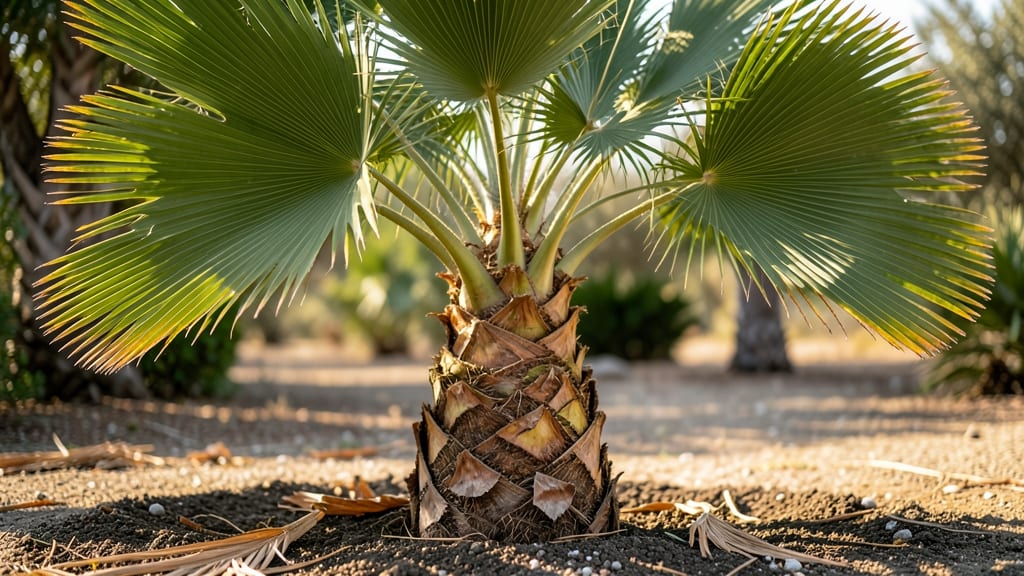
Your palm tree’s bark falling off like sunburnt skin isn’t just unsightly—it’s a cry for help. 🌿 Root rot lurks beneath that flaking trunk, turning your tropical beauty into a slow-motion disaster.
The good news? Five simple steps can rescue it before it’s too late, even if you’ve never pruned a palm before.
This isn’t about fancy tools or horticultural degrees. You’ll need a sharp knife, some hydrogen peroxide, and a willingness to get your hands dirty. The real secret? Acting fast—before the rot spreads to the roots.
I’ve saved three palms this way, and the first step is always the same: stop watering like it’s a houseplant.
By the end, you’ll have a palm that looks healthy again—thick, green fronds and all. The key is catching it early, so I’ll walk you through the telltale signs (yes, there’s a difference between normal shedding and rot). No guesswork, no wasted money on treatments that won’t work.
Works for indoor palms, outdoor varieties, and even those stubborn ones that refuse to cooperate. Let’s turn that flaky trunk back into a strong, stable stem—before the roots give out completely.
Root Issues Behind Bark Loss
When your palm tree’s bark starts peeling away like layers of an onion, the problem often traces back to its roots—and what’s happening underground. Understanding these causes helps you diagnose the issue faster and take corrective action before the tree declines.
Here are the most common reasons why palm tree bark falls off, explained in clear, actionable terms.
Palm trees thrive in well-draining soil, but when they sit in soggy conditions for too long, their roots suffocate. Excess moisture triggers anaerobic conditions (low oxygen), which weakens the root system and disrupts nutrient uptake.
As roots decay, the tree’s bark may split or peel away, exposing the underlying tissue to disease or pests.
Why it happens:
- Waterlogged soil – Compacted or clay-heavy soil holds excess water, starving roots of oxygen.
- Overzealous irrigation – Automated sprinklers, poor drainage slopes, or mulch piled too high against the trunk can trap moisture.
- Root rot progression – Fungal pathogens like Phytophthora or Pythium thrive in wet conditions, breaking down root structure and causing bark to slough off.
Actionable fix: Test soil moisture with a trowel—if it’s damp 2+ inches down, reduce watering. Amend soil with perlite or sand to improve drainage, and avoid mulching directly against the trunk.
Fungal infections are the #1 culprit behind palm tree bark peeling. Once roots weaken from overwatering or injury, fungi like Ganoderma (brown rot) or Fusarium invade, causing root rot. The infection spreads upward, compromising the vascular system and leading to bark detachment.
Signs it’s fungal:
- Dark, mushy roots with a foul odor.
- Bark that peels in irregular patches, revealing discolored or waterlogged tissue underneath.
- Sawdust-like frass (fungal spores) near the base.
Actionable fix:
- 🔪 Prune infected areas with sterilized tools, cutting 6+ inches below the damage.
- 🌡️ Apply fungicide (e.g., copper-based or phosphite treatments) to the root zone.
- ✨ Improve airflow by thinning dense mulch or nearby vegetation.
Roots are delicate—even minor trauma can trigger bark peeling. Construction, heavy foot traffic, or mechanical injury (like lawnmowers or digging) can sever roots, disrupting the tree’s ability to transport water and nutrients. Without proper support, the bark may crack or detach as the tree’s structural integrity weakens.
Common damage triggers:
- 🚜 Soil compaction from vehicles or heavy equipment near the base.
- 👟 Root exposure during landscaping or grading projects.
- 🪓 Improper pruning that severs large root sections.
Actionable fix: Avoid disturbing the root zone within 3–4 feet of the trunk. If damage is suspected, conduct a soil probe test (gently insert a metal rod into the soil) to check for severed roots. Mulch lightly to protect exposed areas.
Palm trees are resilient, but extreme conditions—like prolonged drought or freezing temperatures—can shock the root system. Drought causes roots to shrink and pull away from the bark, while cold snaps can freeze root tips, leading to dieback and bark detachment.
Key stressors:
- 💧 Prolonged dry spells without deep watering (palm roots need moisture 12+ inches deep).
- ❄️ Sudden temperature drops (below 30°F for tropical palms).
- 🌪️ Salt buildup from windblown ocean spray or over-fertilization.
Actionable fix:
- 💡 Deep-water weekly during droughts (1–2 inches per week).
- 🌡️ Use frost cloth or anti-desiccant sprays in cold climates.
- 🧼 Flush soil with fresh water if salt crusts appear.
Next up: How to assess the damage and determine if your palm tree can be saved. Stay tuned for our 5-step rescue guide!
Quick Fixes for Peeling Palm Bark
If your palm tree’s bark is falling off like an old sweater, don’t panic—there’s a way to nurse it back to health! The key is identifying the root cause (literally and figuratively) and tackling it head-on.
Below, we’ve broken down practical, step-by-step solutions for the most common culprits, plus prevention tips to keep your palm thriving. Let’s get those fronds flourishing again!
Symptoms: Soft, mushy trunk, foul odor, dark streaks under the bark, bark peeling in patches.
How to Treat It: 🔥 Step 1: Stop the Spread Remove any loose, infected bark with sterilized pruning shears (soak blades in rubbing alcohol or bleach solution). Discard the debris—do not compost it!
🍳 Step 2: Disinfect the Wound Sprinkle copper fungicide (like Bordeaux mixture or copper sulfate) over exposed areas to prevent further fungal growth. For a natural option, mix 1 part hydrogen peroxide (3%) with 10 parts water and lightly spray.
👨🍳 Step 3: Improve Drainage Root rot thrives in soggy soil. Amend the soil with:
- Perlite or pumice (20-30% of the soil mix) for aeration.
- Coarse sand (if your palm is in-ground, consider a French drain around the base).
- Orchid bark (for potted palms) to wick away excess moisture.
⏰ Step 4: Adjust Watering
- For in-ground palms: Water deeply but only 1-2 times per week (check soil moisture 3 inches down—if dry, water; if soggy, wait).
- For potted palms: Ensure pots have drainage holes and water only when the top 2 inches of soil are dry.
💡 Pro Tip: If the rot is severe, you may need to remove the palm and replant it in fresh, well-draining soil. Smaller palms can sometimes be saved with a root pruning (trim 1/3 of the roots) to encourage new growth.
Symptoms: Bark peeling in sun-exposed areas, yellowing fronds, crispy edges on leaves.
How to Treat It: 🔥 Step 1: Provide Shade If your palm is in a hot, dry climate, install light shade cloth (30-50%) during peak sun hours (10 AM–4 PM). For young palms, a temporary shade sail works wonders.
🌡️ Step 2: Hydrate Smartly
- Morning watering (before 10 AM) reduces evaporation.
- Mulch the base with 3-4 inches of wood chips or palm mulch to retain moisture and regulate temperature.
🎯 Step 3: Fertilize for Resilience Apply a balanced palm fertilizer (like 8-2-12 or 16-4-8) every 2-3 months during growing seasons (spring–fall). Look for micronutrients like magnesium and potassium to boost stress resistance.
✨ Pro Tip: Mist young fronds in extreme heat to mimic humidity. Avoid wetting the trunk to prevent fungal issues.
Symptoms: Sticky residue (honeydew), tiny white bugs, holes in the trunk, bark peeling due to larval feeding.
How to Treat It: 🔪 Step 1: Manual Removal
- Scale insects: Scrape off with a plastic scraper (metal can damage bark).
- Mealybugs: Wipe with a soapy water solution (1 tsp mild dish soap + 1 quart water).
- Palm weevils: Do not disturb the larvae! Instead, prune and destroy infested fronds immediately.
💡 Step 2: Chemical Defense (If Needed)
- Neem oil (for soft-bodied pests like mealybugs—spray weekly until gone).
- Imidacloprid systemic granules (for weevils—follow label instructions carefully).
- Permethrin spray (for severe weevil infestations—apply at dusk).
📊 Step 3: Monitor & Prevent
- Inspect palms monthly, especially under fronds and along the trunk.
- Encourage natural predators like ladybugs by planting neighborhood-friendly flowers (e.g., marigolds).
Even after fixing the issue, proactive care keeps your palm healthy:
- Prune dead fronds regularly to reduce stress.
- Avoid over-fertilizing—too much salt can burn roots.
- Check for physical damage (e.g., lawnmower cuts, animal scratches) and treat with pruning sealant if needed.
- Repot every 2-3 years if growing in a container (use fresh, well-draining mix).
Remember: Some palm species (like Canary Island Date Palms) naturally shed old bark—don’t overreact! Focus on health, not aesthetics. With the right care, your palm will bounce back stronger than ever. 🌴✨
Frequently asked questions
Is it normal for palm tree bark to peel occasionally?
Some palm species naturally shed old bark as they grow, especially in dry seasons. However, if you see large patches, dark streaks, or mushy texture underneath, it’s not normal shedding—it’s a sign of stress or disease. Check for soft spots or foul odors to confirm.
How can I tell if my palm has root rot vs. just normal aging?
Root rot shows dark, mushy roots with a foul smell, while normal aging has dry, papery bark that peels cleanly. Dig near the base (gently!)—if roots are waterlogged or crumbly, it’s rot. Healthy roots should be firm with a light tan color.
Can I save a palm tree if the bark is already falling off in big chunks?
Yes, but act fast! Remove loose bark with sterilized tools, treat exposed areas with copper fungicide, and improve drainage immediately. If the trunk feels hollow or the tree leans badly, it may be too late—consult an arborist for removal options.
Will pruning help if my palm’s bark is peeling?
Pruning alone won’t fix the root cause, but it helps! Remove dead fronds to reduce stress, and trim 1/3 of damaged roots (if possible) to encourage new growth. Focus on improving soil conditions first—pruning is just one step in the rescue process.
How often should I check my palm tree for bark issues?
Inspect your palm monthly, especially after heavy rains or droughts. Pay attention to the base of the trunk and underside of fronds—these are hotspots for pests and fungal growth. Early detection makes all the difference!