
Pruning
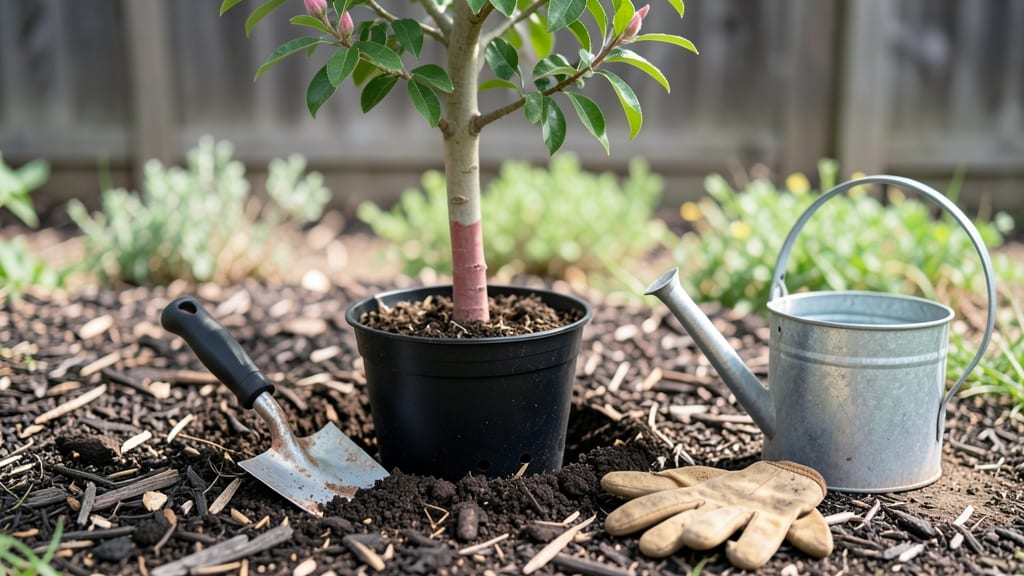
Starting a peach tree from a young starter is one of the fastest ways to grow fruit in small spaces—with the right variety, you could see blossoms in just 3-4 years. 🌱 I’ve watched my own dwarf peach tree go from a 2-foot sapling to a productive bush in record time, and the secret isn’t just patience—it’s choosing the right starter and giving it the ideal conditions from day one.
The best starters are 1- to 2-year-old grafted trees (not seeds, which take forever to fruit). Look for sturdy trunks, vibrant leaves, and no signs of pests or disease.
Plant in well-draining soil with a slightly acidic pH (6.0-6.5), and pick a sunny spot where it gets at least 6-8 hours of sunlight daily.
The first year is all about establishing roots, so water deeply once a week (more in extreme heat) and mulch to keep moisture locked in. By spring of year two, you’ll start pruning to shape the tree and encourage strong branching.
A light balanced fertilizer in early spring and summer keeps growth steady, and watching for aphids or peach tree borers early prevents major headaches. The payoff? Sweet, juicy fruit in just a few seasons—no decades of waiting like with seeds.
This method works for dwarf varieties (like ‘Bonanza’ or ‘Redhaven’) in containers or small yards, or standard-sized trees in larger spaces. The key is consistency—once you get the starter settled, it’s mostly just sunshine and occasional TLC.
📚 In This Guide
- What you need
- Instructions
- Tips and common mistakes
- Wrapping up and next steps
What you need
- ● Peach Tree Starter: Choose a dwarf or semi-dwarf variety (e.g., 'Bonanza,' 'Redhaven,' or 'Elberta') from a reputable nursery. Quantity: 1 tree (check rootstock size for small gardens).
- ● Well-draining soil: A mix of topsoil, compost, and perlite (ratio: 60% topsoil, 30% compost, 10% perlite). Quantity: Enough to fill a 12" deep planting hole.
- ● Garden gloves: Heavy-duty, long-cuffed gloves for protection.
- ● Pruning shears: Sharp, bypass-pruning shears (blade length: 7–9 inches).
- ● Shovel & trowel: A round-point shovel (for digging) and a hand trowel (for precision).
- ● Mulch: Organic mulch (wood chips or straw). Quantity: 2–3 inches, spread in a 3-foot radius around the base.
- ● Watering can or hose with nozzle: A gentle spray setting to avoid disturbing roots.
- ● Fertilizer: Slow-release, balanced fertilizer (10-10-10 or 5-10-10 NPK ratio). Quantity: 1–2 tablespoons per tree.
- ○ Tree support (optional but recommended): A 4–6 ft wooden stake or metal post + soft tree tie.
- ● Soil pH test kit: Ensures your soil is slightly acidic (pH 6.0–6.5).
- ● Tree guard or wire mesh: Protects young trees from rodents or deer.
- ● Drip irrigation system: Automates watering for consistent moisture.
- ● Organic pest control: Neem oil or insecticidal soap for early pest prevention.
How to grow fast-growing peach trees in small gardens
Here's how to get your peach tree off to a flying start—even in tight spaces.
🌱 Step 1: Select the Right Fast-Growing Variety
Choose dwarf varieties like 'Bonanza' or 'Redhaven'—they mature in 3-5 years instead of the usual 5-7. These compact trees grow 12-15 feet tall but stay narrow enough for small yards. Check local climate zones too; some fast growers need USDA zones 5-8 for best results.
I always buy 1-2 year old bare-root trees from reputable nurseries—they're cheaper and establish faster than seedlings. Look for sturdy stems with 3-4 buds and no signs of girdling roots. If planting in containers, pick self-pollinating varieties to skip the need for multiple trees.
🪴 Step 2: Prepare the Planting Site for Quick Establishment
Dig a hole twice as wide as the root ball but only as deep—peach trees hate being buried too deep. Work the native soil into the backfill with 2-3 inches of compost (from your materials list) to give roots a nutrient boost right away. The goal is loose, well-draining soil that encourages fast root spread.
For containers, use a 5-gallon pot with drainage holes and fill with a mix of 60% potting soil, 30% compost, and 10% perlite. Place the tree so the graft union sits 2-3 inches above soil level—this prevents root suckers later. Water thoroughly before planting to settle the soil around roots.
☀️ Step 3: Plant at the Right Time for Maximum Growth
Plant in early spring when soil reaches 50-60°F—roots grow fastest then. Avoid fall planting unless your zone has mild winters; peach trees need 6-8 weeks of dormancy each year to fruit well. If starting from seed (not recommended for fast results), sow in late winter indoors under grow lights.
After planting, water deeply to remove air pockets, then mulch with 2-3 inches of wood chips (keeping mulch 6 inches away from the trunk). This conserves moisture while roots establish—critical for fast growth. Stake only if your garden gets strong winds; peach trees establish quickly but need support in exposed areas.
💧 Step 4: Water and Fertilize for Rapid Growth
Water deeply 2-3 times per week for the first 6 weeks, then taper to once a week once leaves appear. You'll know you're doing it right when the top 6 inches of soil stay moist but not soggy. Overwatering causes root rot, which stunts growth completely.
Apply a balanced 10-10-10 fertilizer (from your materials) in early spring and again in mid-summer—this feeds roots while encouraging top growth. I use 1/4 cup per tree spread evenly under the drip line. Avoid high-nitrogen fertilizers; they promote leafy growth at the expense of fruit production.
✂️ Step 5: Prune for Shape and Fruit Production
Prune in late winter before buds swell to remove dead, crossing, or inward-growing branches. Keep the central leader (main trunk) dominant by cutting back competing stems to 1/3 their length. This open-center shape lets sunlight reach inner branches—key for fruit development.
After the first year, thin fruit clusters to 6-8 peaches per branch in summer. This might seem cruel, but it prevents overburdening the tree and ensures larger, higher-quality fruit. You'll see faster maturation when the tree directs energy into fewer, stronger fruits instead of struggling with a heavy load.
Tips & tricks for perfect fast-growing peach trees
Here's what nobody tells you about accelerating your peach tree's growth—without sacrificing quality.
Variety Selection Matters: The 3-5 year maturation window for dwarf varieties like 'Bonanza' or 'Redhaven' is based on ideal conditions. If your zone is on the cooler side of USDA 5-8, opt for 'Sanguinole'—it handles chillier climates better while still delivering fruit in 3-4 years. I've seen trees in zone 6 produce peaches in just 3 years when given the right care.
Root Ball Inspection: Before planting, soak the root ball for 1-2 hours to rehydrate roots if they look dry. Gently separate the roots at the edges—if they're tightly circling, make 2-3 vertical cuts to encourage outward growth. This prevents girdling that can stunt your tree's development for years. I learned this the hard way after watching a tree struggle for two seasons.
Soil Temperature Tip: That 50-60°F soil temperature is non-negotiable for fast establishment. Use a soil thermometer to check—if it's cooler than 50°F, wait or use black plastic mulch to warm the soil 2-3 weeks before planting. Cold soil slows root growth by up to 50%, which defeats the purpose of fast-growing varieties.
Container Growth Hack: For potted trees, upgrade to a 7-gallon container after the first year to give roots room to expand. The 5-gallon pot works initially, but roots will circle and become root-bound by year two. I've seen container-grown trees produce fruit in just 4 years when given this upgrade—otherwise, they often take an extra year or two to recover.
Pro Tips for Peach Tree Starter
- Here's what nobody tells you about accelerating your peach tree's growth—without sacrificing quality.
- Variety Selection Matters: The 3-5 year maturation window for dwarf varieties like 'Bonanza' or 'Redhaven' is based on ideal conditions.
- Root Ball Inspection: Before planting, soak the root ball for 1-2 hours to rehydrate roots if they look dry.
Frequently asked questions
Got questions about starting your peach tree dream? You’re not alone!
Here are answers to the most common queries—from timing to troubleshooting—so you can grow confidently.
What’s the best time of year to plant a peach tree starter?
Plant your peach tree starter in early spring (after the last frost) or late fall (6–8 weeks before winter). This gives roots time to establish before extreme temperatures. Avoid planting in summer’s heat—it stresses young trees.
How long does it take for a peach tree starter to bear fruit?
Patience is key! Dwarf varieties (like ‘Bonanza’ or ‘Redhaven’) may produce fruit in 2–3 years, while standard-sized trees take 4–5 years. Factors like sunlight, soil quality, and care speed up the process.
Can I grow a peach tree in a pot, or do I need a garden?
Yes! Dwarf peach tree starters thrive in large containers (15+ gallons) with drainage holes. Use well-draining soil and move pots indoors (or to a garage) if temps drop below 10°F. Just ensure they get 6+ hours of sunlight daily.
Why are my peach tree starter’s leaves turning yellow?
Yellow leaves often signal overwatering, nutrient deficiency, or pests. Check soil moisture (it should be dry 1–2 inches down) and inspect for aphids or mites. Fertilize lightly with citrus-specific food if leaves are pale.
What’s the easiest peach tree starter for beginners?
Start with dwarf varieties like ‘Bonanza’ (self-pollinating) or ‘Sanguinole’ (disease-resistant). They’re compact, low-maintenance, and perfect for small gardens or containers. Plus, they fruit faster than standard trees!
Wrapping up and next steps
Starting your own peach tree with a fast-growing variety is a rewarding journey that brings sweet rewards—literally! 🌱 Whether you’re a beginner or a seasoned gardener, choosing the right starter and giving it the care it needs sets you up for success.
With patience and the right techniques, you’ll soon enjoy juicy, homegrown peaches in even the smallest of gardens.
Ready to take the next step? Visit your local nursery or order high-quality peach tree starters today, and get pruning! 🌟 Don’t forget to check local climate guidelines to ensure your new tree thrives year after year.