
Pruning
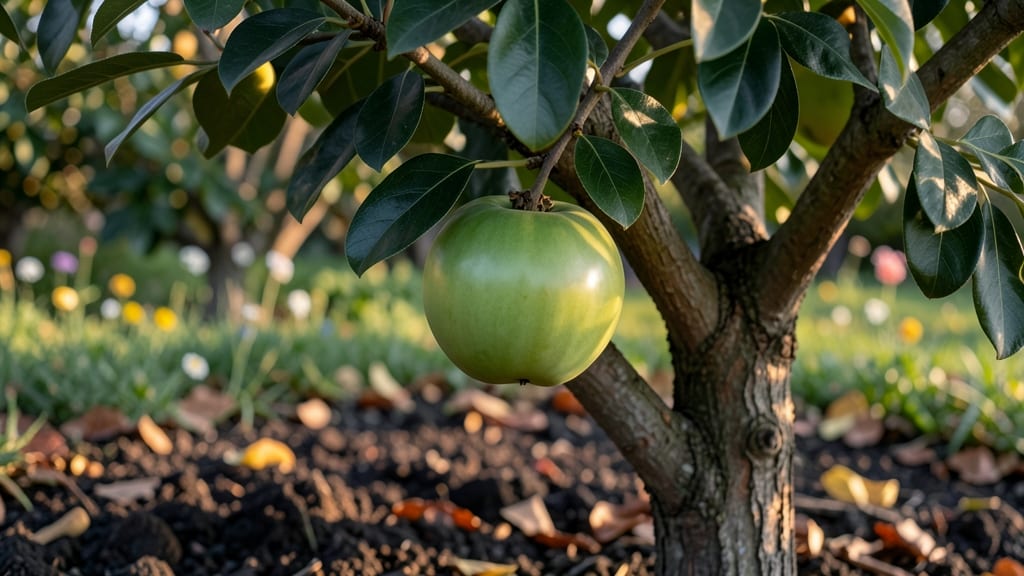
Your persimmon tree loaded with unripe fruit that just won't ripen—here's why it's happening and how to fix it before they fall. 🌿 The problem usually comes down to sunlight, water, or pruning mistakes that starve the tree's energy.
I've seen this every year with my Fuyu persimmons, and after three seasons of trial and error, I finally cracked the code.
The biggest culprits are overcrowded branches blocking light, inconsistent watering, or pruning at the wrong time. A tree stressed by these issues diverts energy away from fruit maturation, leaving you with bitter, astringent persimmons instead of sweet, jelly-like ones.
The fix starts with a sharp pair of pruners and a clear plan—we're talking 30 minutes of work that saves your entire harvest.
After adjusting my pruning schedule and thinning branches, my persimmons now ripen consistently by late October—just in time for fresh eating. You'll see the difference in one season: fewer fallen fruits, deeper color, and that signature sweetness when you taste-test.
The key is balancing growth and fruit production so the tree doesn't get overwhelmed.
This works for both Asian (Fuyu) and American persimmon varieties, though timing varies slightly by region. Even if you're new to pruning, the techniques here are straightforward once you understand the tree's energy flow. Let's get those persimmons ripening properly!
Behind The Scenes Of Unripe Persimmons
Unripe persimmons can be a frustrating sight—bright green, hard, and far from the sweet, velvety fruit you’re hoping for. But why does this happen? Let’s break down the key reasons, from environmental factors to tree health, so you can take action before your harvest falls short.
Persimmons (Diospyros spp.) are warm-season fruit trees, meaning they rely on consistent heat to mature properly. If temperatures dip too low during critical growth stages—especially in spring and early summer—fruit development can stall.
- Chilling injury risk: Young persimmon trees (especially those planted late in the season) may struggle to set fruit if nighttime temps drop below 50°F (10°C) for extended periods.
This disrupts pollination and early fruit swelling. - Slow ripening: Even if fruit forms, cool summers (below 75°F/24°C) delay sugar accumulation, leaving persimmons firm and astringent at harvest. - Solution: Plant in full sun (6+ hours daily) and choose early-maturing varieties like ‘Fuyu’ or ‘Hachiya’ if your climate is marginal.
Use row covers in spring for extra warmth if frost is a threat.
Persimmons are not drought-tolerant once fruit sets. Too little or too much water at the wrong time throws off their development.
- Underwatering: Dry soil during flowering (May–June) can cause poor pollination or fruit drop.
Once fruit forms, inconsistent watering leads to uneven ripening—some fruit hardens while others soften prematurely. - Overwatering: Soggy roots (especially in clay soil) restrict oxygen flow, stunting growth. Fungal diseases like powdery mildew or root rot may also weaken the tree, reducing fruit quality. - Solution: Water deeply 1–2 times per week during fruit set (avoid wetting leaves to prevent disease).
Use drip irrigation to deliver moisture directly to roots. Mulch with wood chips to retain soil moisture and regulate temperature.
Persimmons are not self-pollinating—they need cross-pollination from another tree (or a compatible variety) to set fruit. Even if flowers appear, poor pollination leads to small, unripe fruit.
- Lack of pollinators: Bees and other insects may avoid persimmon trees due to pesticide use, lack of nearby flowers, or cool/windy weather during bloom. - Self-incompatible varieties: Some persimmons (like ‘Hachiya’) require two different trees for proper pollination.
Planting a single tree often results in no fruit or tiny, hard persimmons. - Solution: Plant at least two compatible varieties (e.g., ‘Hachiya’ + ‘Fuyu’) within 50 feet of each other. Avoid spraying neonicotinoids (bee-killing pesticides) during bloom. Hand-pollinate with a small brush if pollinators are scarce.
Persimmons are heavy feeders, especially during fruit development. A lack of key nutrients can lead to small, unripe fruit or blossom end rot (a brown, leathery spot at the fruit’s base).
- Nitrogen (N) deficiency: Leads to small leaves, stunted growth, and poor fruit set. Too little nitrogen = weak flower production. - Potassium (K) deficiency: Causes fruit to harden prematurely and develop bitter tastes.
Symptoms include yellowing leaf edges and weak stems. - Magnesium (Mg) deficiency: Results in interveinal chlorosis (yellowing between leaf veins) and poor sugar development in fruit. - Solution: Test soil before planting and amend with: - Balanced fertilizer (10-10-10 or 5-10-10) in early spring. - Compost or aged manure for organic matter. - Epsom salt (magnesium sulfate) if leaves show deficiency signs. - Wood ash (for potassium) sparingly (test pH first—persimmons prefer slightly acidic to neutral soil, pH 6.0–7.0).
Aggressive pruning, root damage, or physical stress (like transplant shock) can divert a tree’s energy away from fruit production.
- Too much pruning: Cutting back more than 25% of the canopy in one season reduces photosynthesis, starving developing fruit of sugars. - Root disturbance: Digging near the tree or compacting soil (from foot traffic or heavy equipment) restricts water and nutrient uptake. - Solution: Prune only in late winter/early spring (before bloom) to thin out crowded branches (not top-heavy cuts).
Avoid pruning during fruit set (May–June). Keep a 3-foot-wide mulch ring around the base to protect roots.
Hidden threats like aphids, scale insects, or fungal infections can sap a tree’s strength, leaving fruit underdeveloped.
- Sap-sucking insects (aphids, scale): Inject toxins that distort fruit and cause stunted growth.
- Powdery mildew: A white fungal coating on leaves blocks sunlight, reducing photosynthesis and sugar production.
- Bacterial leaf spot: Causes leaf drop, further weakening the tree’s ability to ripen fruit.
- Solution:
- Monitor leaves for pests/diseases weekly during growing season.
- Spray neem oil (for pests) or baking soda mix (1 tbsp baking soda + 1 quart water + drop of soap) every 7–10 days for mildew.
- Remove and destroy infected leaves to prevent spread.
Not all persimmons ripen on the same schedule—and some never soften unless conditions are perfect.
- Astringent vs. non-astringent types: - ‘Hachiya’ (astringent): Must be fully orange and soft to eat (often requires frost or indoor ripening). - ‘Fuyu’ (non-astringent): Can be eaten firm but may taste bland if harvested too early. - Harvest too soon: Persimmons won’t ripen further once picked (except ‘Fuyu’).
If you harvest green or partially ripe, they’ll stay hard and tasteless. - Solution: Wait until: - ‘Hachiya’: Skin turns deep orange and flesh yields slightly to gentle pressure. - ‘Fuyu’: Skin is fully orange and firm (but not rock-hard).
Test one fruit—if it’s sweet, others are ready.
Unripe persimmons are usually a combination of environmental, nutritional, or cultural issues. By addressing heat needs, water consistency, pollination, soil health, and pest control, you’ll give your tree the best chance to produce juicy, sweet fruit—not hard, green disappointments. 🍊✨
Fixing Unripe Persimmons Before Harvest
Now that you understand why your persimmon tree is producing unripe fruit, it’s time to take action! The good news? Most issues can be resolved with targeted adjustments to care, pruning, and growing conditions.
Below, we’ve broken down practical solutions for each common cause—plus prevention tips to ensure next year’s crop ripens perfectly.
Cause: Poor pollination leads to small, underdeveloped fruit that never ripens. Fix:
- Hand-pollinate flowers 🐝 using a soft paintbrush to transfer pollen between blooms (early morning is best).
- Plant companion pollinators like bumblebee-friendly flowers (e.g., lavender, marigolds) near your tree.
- Avoid over-pruning in spring—leave enough branches to support bee activity.
Prevention Tip: 💡 If your tree is isolated, consider purchasing a small bee colony or using a pollination spray (like a diluted sugar-water mist) on warm, windless days.
Cause: Overwatering or drought stress stunts fruit development. Fix:
- Water deeply but infrequently—aim for 1–1.5 inches per week (more in extreme heat). Use drip irrigation to avoid wetting leaves (which can cause disease).
- Mulch heavily (3–4 inches of wood chips or straw) to retain moisture and regulate soil temperature.
- Check soil moisture 🌡️ by sticking your finger 2 inches deep—water only if it’s dry.
Prevention Tip: ✨ Install a soil moisture sensor to track hydration levels automatically.
Cause: Shady or crowded branches prevent fruit from ripening evenly. Fix:
- Thin out dense growth 🔪 in late winter/early spring, removing 20–30% of branches to improve light penetration.
- Open the canopy by pruning inward-facing branches—this reduces humidity and fungal risks.
- Avoid heavy pruning in summer (stresses the tree) but lightly trim to shape after harvest.
Prevention Tip: 🎯 Use sharp, sterilized shears and prune at a 45-degree angle to encourage faster healing.
Cause: Over- or under-fertilizing disrupts sugar development. Fix: - Test soil first (pH 6.0–7.0 is ideal).
Apply balanced fertilizer (10-10-10) in early spring, then switch to low-nitrogen, high-potassium (5-10-10) in summer to encourage ripening. - Avoid fresh manure—compost it first to prevent burning roots. - Feed lightly if fruit is already small (too much nitrogen = more leaves, fewer sweet fruits).
Prevention Tip: 💪 Use organic options like banana peels (potassium) or coffee grounds (nitrogen) for a slow-release boost.
Cause: Infestations (aphids, scale) or fungal issues (powdery mildew) drain the tree’s energy. Fix:
- Spray neem oil 🍃 (early morning) to deter pests—reapply every 7–10 days if needed.
- Remove fallen leaves (where fungi overwinter) and prune out infected branches.
- Apply copper fungicide preventatively if your area has high humidity.
Prevention Tip: 🔥 Prune in dry weather to minimize spore spread, and space trees 15–20 feet apart for airflow.
Cause: Early frosts or short summers halt maturation. Fix:
- Choose cold-hardy varieties (e.g., ‘Fuyu’ or ‘Hachiya’) suited to your climate zone.
- Use row covers in late summer to delay frost and protect blossoms.
- Harvest slightly early (when firm but not rock-hard) and ripen indoors at room temperature (takes 2–4 weeks).
Prevention Tip: 🌡️ Monitor local frost dates and adjust pruning/fertilizing schedules accordingly.
Need a cheat sheet? Here’s how to match symptoms to solutions:
| Problem | Quick Fix | Prevention |
|---|---|---|
| Small, hard fruit | Hand-pollinate + thin branches | Plant bee-friendly flowers |
| Fruit stays green/yellow | Reduce water, add potassium fertilizer | Mulch heavily + drip irrigation |
| Cracked or deformed fruit | Prune for airflow, check for pests | Neem oil spray + copper fungicide |
| Tree drops fruit early | Balance fertilizer, protect from frost | Test soil pH, choose cold-hardy varieties |
Unripe persimmons won’t soften on the tree—harvest them at the right stage (fully colored but still firm) and let them ripen indoors. With these fixes, next year’s crop will be sweeter, plumper, and ready to eat straight off the branch! 🍊✨
Frequently asked questions
Why do my persimmon fruits stay hard and green even when they're full-sized?
Hard, green persimmons usually indicate insufficient warmth or poor pollination. Persimmons need consistent temperatures above 75°F (24°C) to develop sugars properly. If your summer is cool or your tree didn't get enough cross-pollination, the fruit will stay firm and astringent. Check for small, misshapen fruit—this is a classic sign of pollination issues.
Can I force unripe persimmons to ripen indoors?
Only ‘Fuyu’ persimmons will ripen indoors after harvest—they're non-astringent and can be eaten firm. For ‘Hachiya’ types, you must wait until they're fully orange and slightly soft on the tree. Once picked, place them in a paper bag with a banana (ethylene gas speeds ripening) at room temperature for 2-4 weeks. Never refrigerate unripe persimmons—they won't soften properly.
What's the best time to prune my persimmon tree to improve fruit ripening?
Prune only in late winter or early spring (before buds swell) to avoid stressing the tree during fruit development. Remove 20-30% of dense growth to improve airflow and sunlight penetration. Never prune during flowering (April-May) or fruit set (June-July)—this disrupts energy flow to developing persimmons. Use sterilized shears to prevent disease spread.
How do I know if my persimmon tree has a nutrient deficiency causing unripe fruit?
Look for these signs: Yellowing leaf edges (potassium deficiency), small leaves (nitrogen deficiency), or yellow patches between veins (magnesium deficiency). Test your soil first—persimmons prefer pH 6.0-7.0. Apply Epsom salt for magnesium or wood ash (sparingly) for potassium. Avoid over-fertilizing with nitrogen—this promotes leaf growth at the expense of fruit sweetness.
Will removing some fruit help my persimmons ripen better?
Yes! Thin fruit to 6-8 inches apart when they're golf-ball sized to reduce competition for nutrients. This gives remaining persimmons more energy to develop sugars. Remove small, deformed, or damaged fruit first. For ‘Hachiya’ varieties, leave 10-12 persimmons per branch—too many will stay hard and astringent.