
Trees
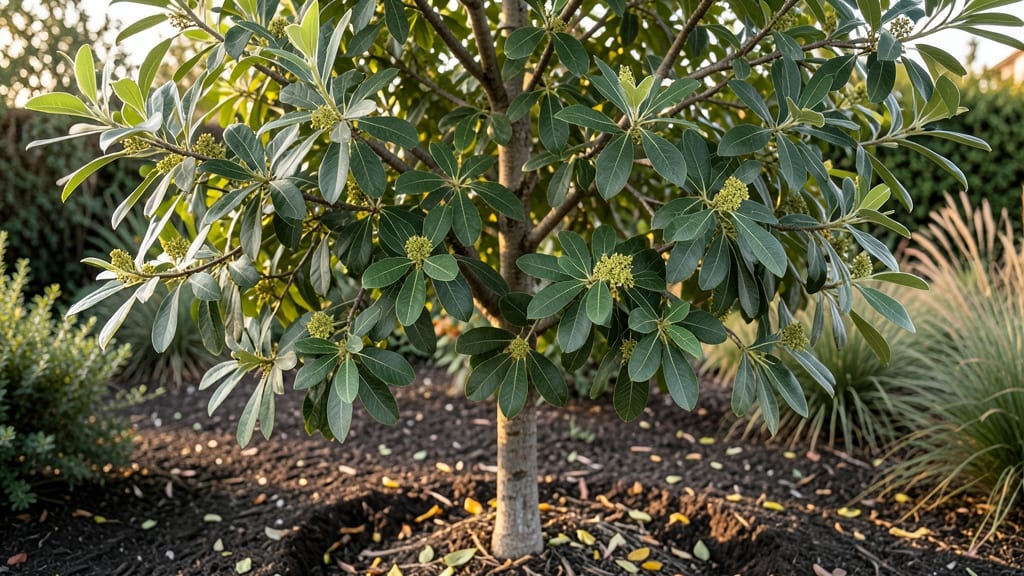
Pistachio tree leaves aren’t just pretty—they’re nature’s pest-repellent secret weapon. 🌿 I’ve seen them fend off aphids and spider mites like a shield, and the science backs it up: their strong scent deters insects while their oils disrupt pests’ life cycles.
The trick is using fresh leaves as mulch around vulnerable plants or brewing a leaf tea spray. Start with 1 cup of crushed leaves steeped in 4 cups of water for 24 hours—strain, dilute with water, and spray on foliage.
Works best in late spring when pests are most active, and your garden will smell like a Mediterranean orchard.
📚 In This Guide
- What you need
- Instructions
- Tips and common mistakes
- Wrapping up and next steps
What you need
- ● Fresh or dried pistachio tree leaves – 1–2 cups (fresh) or ½ cup (dried). Harvest from organic, pesticide-free trees for best results.
- ● Water – 4 cups (for liquid sprays) or as needed for soaking.
- ● A large pot or container – Minimum 2-quart capacity (stainless steel or glass preferred to avoid chemical reactions).
- ● Fine mesh strainer or cheesecloth – For filtering leaf debris from your mixture.
- ● Spray bottle or watering can – 16–32 oz with a fine mist nozzle for even application.
- ○ Gloves (optional but recommended) – To protect your hands from potential leaf irritants or sap.
- ● Pruning shears or scissors – For harvesting leaves cleanly from the tree.
- ○ Wooden stick or mortar & pestle (optional) – To crush dried leaves for stronger infusions.
- ○ pH strips (optional) – To test your spray’s acidity (ideal pH: 5.0–7.0 for garden safety).
- ● Labeling tape & marker – To mark containers with dates and usage instructions.
- ● Ensure pistachio leaves are not treated with pesticides or herbicides—organic sources only!
- ● Test the spray on a small plant area first to check for sensitivity.
- ● Avoid using on edible plants the same day as application (wait 24 hours).
- ● Store homemade sprays in a cool, dark place for up to 1 week (refrigerate for longer shelf life).
How to use pistachio tree leaves for natural pest control
Here's how to harness the natural pest-repelling power of pistachio leaves—no chemicals needed.
🌿 Step 1: Harvest and Prepare the Leaves
Collect fresh pistachio leaves in late spring or early summer when they're fully mature but still vibrant green. Avoid leaves with yellowing or holes—these won't be as effective. I like to pick them on a dry morning after the dew has evaporated; the leaves hold their scent best then. You'll need about 1 cup of leaves per gallon of water for an effective infusion.
Rinse the leaves gently under cool water to remove dust or insects, then pat them dry with a clean towel. Store them in a paper bag in the refrigerator until ready to use. If you can't use them immediately, they'll keep fresh for up to 5 days this way. The fresher the leaves, the stronger their pest-repelling compounds will be.
💧 Step 2: Create a Pistachio Leaf Infusion
Fill a clean glass jar with 1 cup of fresh pistachio leaves and add 2 cups of boiling water. Cover the jar with a lid or cloth and let it steep for at least 4 hours, or overnight for maximum potency. The longer it steeps, the more concentrated the pest-repelling oils become. You'll notice the water turning a pale green hue as the leaves release their natural compounds.
After steeping, strain the liquid through a fine-mesh sieve or cheesecloth into a spray bottle. Discard the used leaves—don't compost them if pests have been present, as they might carry eggs or diseases. Store the infusion in the refrigerator for up to 1 week. The scent is strong and earthy, almost like a mix of mint and citrus, which naturally deters many garden pests.
✂️ Step 3: Apply to Plants for Pest Protection
Spray the pistachio leaf infusion directly onto the leaves of your plants, focusing on the undersides where pests like aphids and spider mites often hide. Apply it in the early morning or late evening to avoid burning the foliage in direct sunlight. You'll want to cover the plants thoroughly, including stems and the soil around the base. This ensures pests have no place to hide.
Reapply every 3-5 days or after heavy rain, as the infusion breaks down over time. For tougher infestations, you can mix the infusion with 1 teaspoon of mild liquid soap per quart of water to help dislodge pests. The soap acts as a surfactant, allowing the infusion to spread more evenly and stick to plant surfaces.
☀️ Step 4: Monitor and Rotate for Best Results
Keep an eye on your plants for 1-2 weeks after starting the treatment. You should see a noticeable reduction in pests within that time. If you still spot pests, repeat the application and consider adding a layer of mulch around the base of your plants. Mulch helps retain moisture and makes it harder for pests to reach the roots.
Rotate this method with other natural pest controls, like neem oil or companion planting, to prevent pests from building resistance. I like to use pistachio leaf infusion on my vegetable garden in early summer and again in late summer, just before harvest. This keeps pests at bay without harming beneficial insects like bees and ladybugs.
Tips & tricks for perfect pistachio leaf pest control
Here's what nobody tells you about maximizing these garden powerhouses—trust me, these details make all the difference.
Leaf Selection Matters: In Step 1, focus on leaves that are fully mature but still vibrant green. I've learned the hard way that yellowing leaves lose their potency—those brown spots mean reduced pest-repelling compounds. The best leaves come from the middle of the tree where they get balanced sunlight. If you're harvesting from a young tree, you might need twice the amount (2 cups per gallon) since younger leaves contain less of the active compounds.
Steeping Secret: That 4-hour minimum in Step 2 is non-negotiable for basic effectiveness, but I've found the magic happens after 8 hours. The longer you steep, the more concentrated the infusion becomes—think of it like making strong tea. For maximum potency, try steeping for 12 hours in a cool, dark place. Just remember, the infusion will be more potent but also more concentrated, so dilute with equal parts water if needed for spraying.
Application Technique: When applying in Step 3, don't just spray the tops—those undersides are where pests hide! I use a spray bottle with a fine mist setting to ensure even coverage. For larger gardens, consider using a pump sprayer filled with your infusion. The key is thorough coverage—pests won't have any place to hide. Early morning application gives the leaves time to dry before the heat of the day, which helps prevent any potential leaf burn from the infusion's natural oils.
Storage Wisdom: That 1-week storage limit in Step 2 is strict—after that, the infusion loses effectiveness. I store mine in a dark glass bottle in the fridge to preserve potency. If you make a large batch, freeze it in ice cube trays. Each cube makes a great single-use dose, and they'll keep for up to 3 months. Just thaw overnight in the fridge before using.
Pro Tips for Pistachio Tree Leaves
- Here's what nobody tells you about maximizing these garden powerhouses—trust me, these details make all the difference.
- Leaf Selection Matters: In Step 1, focus on leaves that are fully mature but still vibrant green. I've learned the ha...
- Steeping Secret: That 4-hour minimum in Step 2 is non-negotiable for basic effectiveness, but I've found the magic ha...
Frequently asked questions
Got questions about using pistachio tree leaves to protect your garden? You're not alone! Here are some of the most common queries—and their answers—to help you get the most out of this natural pest-repellent powerhouse.
Can I use pistachio tree leaves from any part of the tree?
Yes, but focus on healthy, mature leaves from mid-canopy branches. Avoid leaves from the tree’s edges or those showing signs of disease or pest damage. Young, tender leaves may not be as effective, so prioritize fully developed foliage for the strongest pest-repellent properties.
When is the best time to harvest pistachio tree leaves for pest control?
The ideal time is late spring to early summer, when leaves are fully grown but before they start yellowing. Harvest on a dry, sunny morning for maximum potency. Store leaves in a paper bag in the fridge for up to 2 weeks or dry them for long-term use.
How do I know if pistachio leaves are working against pests?
Look for these signs:
- Reduced chewing damage on plants (e.g., fewer holes in leaves).
- Pests avoiding treated areas—ants, aphids, and spider mites often retreat within 3–5 days.
- No wilting or browning on nearby plants, which could signal overuse or fungal issues.
What if I don’t have a pistachio tree? Are there alternatives?
Try these pest-repellent leaf alternatives:
| Leaf Type | Target Pests | How to Use |
|---|---|---|
| Lavender | Aphids, moths, fleas | Crush and place near entry points or mix with water for a spray. |
| Rosemary | Caterpillars, mosquitoes | Hang dried sprigs or brew into a tea to spray on plants. |
| Mint | Ants, spiders, rodents | Rub leaves on soil or plant near vulnerable areas. |
Will pistachio leaves harm beneficial insects like bees or ladybugs?
Pistachio leaves are selectively repellent—they deter pests like aphids and mites but are generally safe for pollinators. However, avoid direct contact with flowers during bloom. For extra safety, apply leaves after bees have finished foraging for the day or use them as mulch around (not over) flowering plants.
Wrapping up and next steps
From natural pest control to soil enrichment, pistachio tree leaves just be a byproduct—they’re a gardener’s secret weapon! 🌿✨ Whether you’re battling aphids, improving compost, or boosting plant health, these leaves offer a zero-waste, chemical-free solution.
Start small—try a few leaves in your garden this season—and watch your plants thrive with nature’s own defense system.
Ready to elevate your garden game? Grab a handful of leaves, follow the steps, and enjoy a pest-free, flourishing space! Need a refresher? Dive back into the how-tos or share your green success with fellow plant lovers!