
Pruning
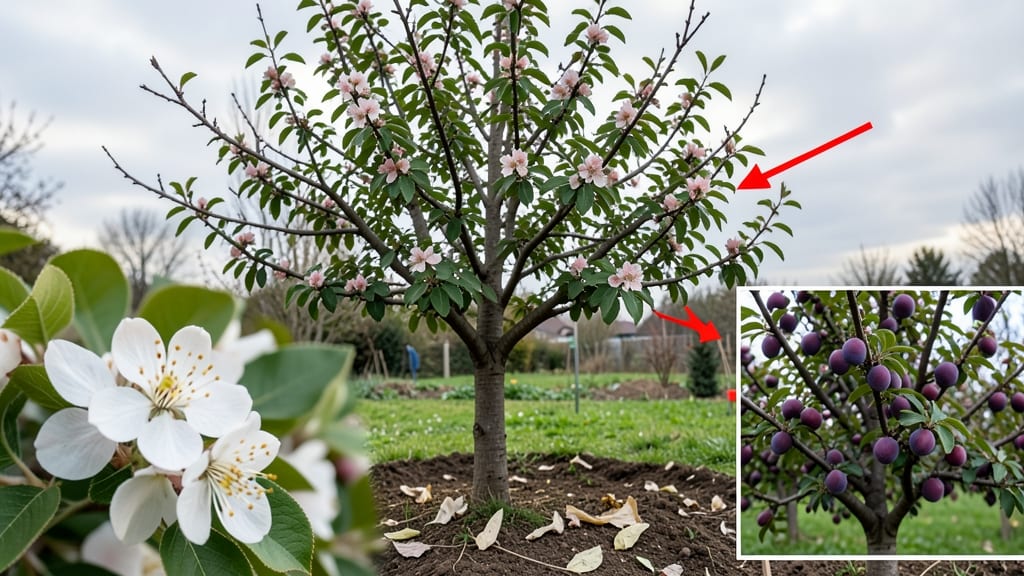
Your plum tree not fruiting often boils down to one overlooked step: pruning mistakes that stifle growth. I’ve spent years watching plum trees go from barren to bursting with fruit—and the difference always came back to timing, cuts, and structure.
What you’ll learn here are the five pruning fixes that transform a non-fruiting tree into a productive powerhouse.
The most common culprits are over-pruning (which stresses the tree) or under-pruning (which crowds branches). Plum trees need sunlight to set fruit, and too many dense limbs block that light. I’ve seen trees double their fruit production in just one season after a proper pruning session.
The key is cutting at the right time—late winter or early spring—and making clean cuts that encourage strong new growth.
By the end, you’ll know exactly where to make cuts to open up the canopy, how to remove dead wood that drains energy, and which branches to keep for maximum fruit potential.
Your tree won’t just survive—it’ll thrive, with vibrant blooms and a harvest that puts your neighbors to shame. Let’s get those branches in shape.
This works for both young trees (under 5 years) and mature ones, though older trees may need a gentler approach. If your tree is still struggling after pruning, we’ll cover when to check for other issues like soil health or pest damage.
No more empty branches—just a tree that finally delivers.
Root Causes Behind Barren Plums
Plum trees are known for their stunning blossoms and delicious fruit—but when they refuse to bear fruit, frustration sets in. 🌸🍑 Understanding the why behind a non-fruiting plum tree is the first step to revival.
Below, we break down the most common culprits, backed by science, so you can diagnose and fix the issue with confidence.
---
Plum trees are self-pollinating but often need a little help from pollinators (like bees) or cross-pollination from another variety. If your tree lacks flowers or pollinators, fruit won’t develop.
Why it happens: - Poor bee activity (pesticides, lack of flowers, or early/late blooming). - Isolation (if your tree is the only plum in the area, cross-pollination fails). - Weather disruptions (rain, wind, or cold during bloom can wash away pollen).
Actionable fix: - Plant a second plum variety within 50 feet for cross-pollination. - Avoid broad-spectrum pesticides during bloom. - Hand-pollinate with a small brush if bees are scarce.
---
Young plum trees focus energy on growth before fruiting. If yours is under 3–5 years old, patience is key—unless it’s a dwarf variety, which may fruit sooner.
Why it happens: - Root system isn’t established (needs 2–3 years to support fruit). - Sapling prioritizes trunk/leaf growth over reproductive energy. - Dwarf varieties may take 1–2 years but still need proper care.
Actionable fix: - Fertilize with low-nitrogen, high-phosphorus (e.g., 5-10-10) to encourage blooming. - Prune lightly to reduce stress and redirect energy to flowering.
---
Plums need balanced nutrition—especially phosphorus (P) and potassium (K)—to produce flowers and fruit. A deficiency stalls development.
Why it happens: - Soil lacks phosphorus (critical for flowering). - Zinc or boron deficiency (both are essential for fruit set). - Over-fertilizing with nitrogen (promotes leaves over fruit).
Actionable fix: - Test soil pH (ideal: 6.0–6.5). - Apply bone meal (for phosphorus) or kelp meal (for potassium). - Use Epsom salt (magnesium sulfate) if leaves show yellowing between veins.
---
Aggressive pruning—especially in late winter or early spring—can remove flower buds before they open. Even light pruning done wrong can stress the tree.
Why it happens: - Cutting back too hard (removes next year’s blooms). - Pruning at the wrong time (dormant season = lost buds). - Improper cuts (leaving stubs or damaging branch collars).
Actionable fix: - Prune after harvest (summer/early fall) to preserve flower buds. - Use sharp, clean tools and make cuts just outside the branch collar. - Avoid removing more than 25% of the canopy in one season.
--- Plum trees are sensitive to extreme heat, drought, or cold. Stress diverts energy away from fruiting.
Why it happens: - Drought stress (roots can’t absorb water/nutrients). - Heatwaves (flowers drop before pollination). - Late frosts (kill blossoms before they open).
Actionable fix: - Water deeply (1–2 inches per week, especially during bloom). - Mulch (2–3 inches of organic mulch to retain moisture). - Choose cold-hardy varieties if your climate has late frosts.
--- Fungal diseases (like silver leaf or brown rot) or pests (aphids, plum curculio) can weaken trees, reducing fruit production.
Why it happens: - Fungal infections (block nutrient flow to flowers/fruit). - Insects feeding on buds/flowers (preventing pollination). - Root rot (from overwatering or poor drainage).
Actionable fix: - Spray copper fungicide before bloom to prevent disease. - Use neem oil to deter pests like aphids. - Improve drainage if soil stays soggy.
--- Pro Tip: 💡 Keep a garden journal! Track pruning dates, fertilizer types, and weather patterns to spot patterns in non-fruiting years.
Revive Your Plum Tree’s Fruitfulness
Got a plum tree that’s all leaves and no fruit? Don’t panic—most issues are fixable with the right care! Below, we’ll map the most common causes of a non-fruiting plum tree to practical, step-by-step solutions, plus tips to keep your tree thriving for years.
Let’s turn that leafy disappointment into a harvest-worthy success!
---
Problem: Overgrowth or poor pruning blocks sunlight and air circulation, stressing the tree and reducing fruit production.
How to Fix It: 🔥 🌿 Trim Back Dense Branches - Use clean, sharp pruners (sterilized with rubbing alcohol) to remove 1/3 of the oldest, thickest branches first. These compete with younger growth for energy. - Target crossing or rubbing branches—they waste energy and invite disease. Cut them at the base.
🍳 👨🍳 Thin Out the Canopy - Aim for an open, vase-like shape (like an upside-down "V") to let sunlight reach the center. - Remove "water sprouts" (fast-growing vertical shoots) and suckers (shoots from the base).
🥘 ⏰ Time It Right - Best time to prune: Late winter or early spring (just before buds swell). Avoid pruning in fall—it can stimulate new growth that won’t harden off before winter.
💡 Pro Tip: If your tree is young (<5 years), prune annually to shape it. Mature trees (5+ years) only need light pruning every 2–3 years unless they’re overgrown.
---
Problem: Plum trees need 6–8 hours of direct sunlight daily and well-draining, nutrient-rich soil to fruit. Shade or poor soil = no harvest.
How to Fix It: 🔥 🌿 Move or Thin Shade - If your tree is under a larger plant or building, trim nearby foliage or consider relocating it to a sunnier spot (if possible).
🍳 💪 Feed with the Right Fertilizer - Spring (March): Apply a balanced fertilizer (10-10-10 or 8-3-9) 6–8 inches from the trunk and water it in. - Fall (October): Switch to a low-nitrogen, high-phosphorus fertilizer (like 5-10-10) to encourage root and fruit development. - Avoid high-nitrogen fertilizers—they promote leafy growth but stunt fruit production.
🥘 🌡️ Test & Amend Your Soil - pH check: Plum trees thrive in slightly acidic to neutral soil (pH 6.0–7.0).
Test with a soil kit (available at garden centers). - Amend if needed: - Too acidic (pH <6.0)? Add lime (follow package instructions). - Too alkaline (pH >7.0)? Mix in sulfur or peat moss.
💡 Pro Tip: Compost or aged manure (like cow or chicken manure) improves soil structure and provides slow-release nutrients. Spread 2–3 inches around the base and mulch on top.
---
Problem: Plum trees are drought-sensitive—too much or too little water stresses them, leading to poor fruiting.
How to Fix It: 🔥 💧 Deep Watering Routine - Young trees (1–3 years): Water 2–3 times per week (1–2 gallons per watering). - Mature trees (4+ years): Water deeply 1–2 times per week (10–15 gallons per watering). - Signs of overwatering: Yellow leaves, mushy bark, or fungal growth. - Signs of underwatering: Wilting leaves, crispy edges, or leaf drop.
🍳 🌱 Mulch Like a Pro - Apply 3–4 inches of organic mulch (wood chips, straw, or pine needles) 3 inches away from the trunk. - Why? Mulch retains moisture, regulates soil temperature, and reduces weeds (which compete for nutrients).
🥘 ✨ Handle Transplant Shock - If your tree was recently moved, water deeply every 2–3 days for the first month to help roots establish.
💡 Pro Tip: Drip irrigation is ideal—it delivers water slowly and directly to the roots, reducing evaporation and disease risk.
---
Problem: Aphids, borers, or fungal diseases (like silver leaf or bacterial spot) drain energy from your tree, leaving no power for fruit.
How to Fix It: 🔥 🔪 Inspect & Treat Early - Check leaves/stems weekly for: - Holes, sawdust-like frass (borers) - Sticky residue (aphids, scale) - Black spots or mold (fungus) - Act fast: Isolate infected branches and prune them out (sterilize tools between cuts).
🍳 🌿 Natural & Chemical Solutions | Pest/Disease | Fix It With… | Prevent It With… | |-------------------------|------------------------------------------|------------------------------------------| | Aphids/Scale | Spray with neem oil or insecticidal soap | Introduce ladybugs (natural predators) | | Borers | Apply borax bait or beneficial nematodes | Wrap trunk with tree band (sticky barrier) | | Fungal Issues | Copper fungicide or baking soda spray (1 tbsp baking soda + 1 quart water + few drops of soap) | Avoid overhead watering (water at base) | | Canker (Bacterial) | Prune infected branches 6+ inches below lesion | Sterilize pruners between cuts |
🥘 🎯 Long-Term Prevention - Sanitize tools with rubbing alcohol after each use. - Remove fallen leaves/debris (fungal hotspots). - Plant resistant varieties (e.g., ‘Santa Rosa’ or ‘Methley’ plums).
💡 Pro Tip: Prune in dry weather—wet conditions spread fungal spores faster!
---
Problem: Plum trees need cold dormancy (chilling hours) and warm spring temps to flower and fruit.
How to Fix It: 🔥 🌡️ Check Chilling Requirements - Most plums need 300–800 chilling hours (below 45°F). If you’re in a warm climate, choose low-chill varieties (e.g., ‘Fortune’ or ‘Black Diamond’).
🍳 🌸 Promote Flower Buds - Avoid late-spring frosts: Use frost cloth if frost is forecasted during bloom. - Thin fruit after blooming: Remove 50% of fruit if overloaded (prevents small, poor-quality plums).
🥘 ✨ Boost Next Year’s Blooms - Fall care: Apply potassium-rich fertilizer (like 0-0-50) to strengthen roots and buds. - Winter protection: In extreme cold zones, wrap the trunk with burlap and mulch heavily (but not touching the trunk).
💡 Pro Tip: If your tree flowers but drops fruit early, it may be stressed—check for pests, water issues, or nutrient deficiencies.
--- Final Thought: Patience is key—some fixes (like soil amendments or pruning) take 1–2 seasons to show results. Stick with it, and your plum tree will reward you with juicy, homegrown plums in no time! 🍑✨
Frequently asked questions
How long should I wait before expecting fruit from a young plum tree?
Most plum trees need 3–5 years to mature enough for fruiting, though dwarf varieties may produce fruit in 1–2 years. Young trees focus energy on root and branch growth first—patience is key! If your tree is older than 5 years and still not fruiting, check for pruning issues or nutrient deficiencies.
Why does my plum tree have flowers but no fruit?
This usually means pollination failed—plum trees need bees or cross-pollination from another variety. Check for pesticides (they repel pollinators), plant a second plum tree nearby, or hand-pollinate with a small brush if bees are scarce. Weather disruptions (rain/wind during bloom) can also wash away pollen.
Can over-fertilizing with nitrogen prevent my plum tree from fruiting?
Too much nitrogen (high N fertilizers) promotes leafy growth at the expense of flowers and fruit. Switch to a balanced or low-nitrogen, high-phosphorus fertilizer (like 5-10-10) in spring and fall. Plum trees need phosphorus (P) for flowering and potassium (K) for fruit development.
What’s the best time of year to prune a plum tree for maximum fruit?
Prune late winter or early spring (just before buds swell) to remove dead/diseased wood while preserving flower buds. Avoid heavy pruning in fall—it stimulates new growth that won’t harden off before winter. For established trees, limit cuts to 25% of the canopy per season to avoid stress.
How do I know if my plum tree has a pest or disease problem?
Look for these red flags: sticky residue (aphids), holes in leaves (borers), black spots (fungus), or wilting branches (root rot). Early action is critical—treat aphids with neem oil, borers with beneficial nematodes, and fungal issues with copper fungicide. Sterilize pruners between cuts to prevent spread.