
Pruning
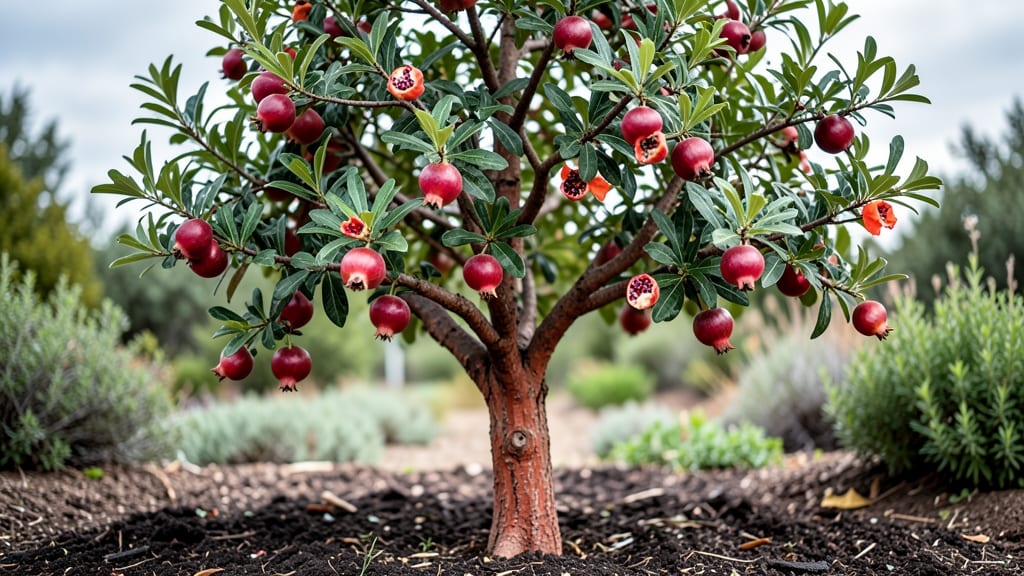
Planting pomegranate trees in North Carolina works best with cold-resistant varieties like ‘Wonderful’ or ‘Eversweet,’ which thrive in NC’s well-draining soil and full-sun conditions. Heavy mulching protects roots during winter freezes, while annual pruning boosts fruit yield. The state’s humid summers require vigilant pest checks, particularly for aphids and scale insects.
North Carolina’s USDA zones 6b-8a create unique challenges for pomegranate growers, but the right approach makes it totally doable. 🌱 The key is selecting varieties that balance cold tolerance with heat resilience—‘Wonderful’ handles NC winters better than most, while ‘Eversweet’ ripens earlier to avoid late-summer humidity stress.
I’ve seen firsthand how proper soil prep (adding compost and sand) prevents root rot in our clay-heavy soils, which is critical for long-term health. The pruning window here is tight: late winter to early spring before buds swell, since NC’s unpredictable frost dates demand flexibility.
What really sets NC pomegranate care apart is the humidity battle. Unlike drier climates, our summers create perfect conditions for fungal diseases, so I recommend copper sprays in early spring and neem oil applications when aphids first appear.
The mulch layer—at least 4-6 inches of straw or wood chips—does double duty by insulating roots and reducing soil moisture loss during our hot, dry spells. Pro tip: Water deeply but infrequently to encourage deep root growth, which helps trees withstand our occasional drought periods.
💡 In This Article
- Best Pomegranate Varieties for North Carolina’s Climate
- North Carolina-Specific Pomegranate Tree Care Guide
Best pomegranate varieties for North Carolina’s climate
North Carolina’s USDA zones 6b-8a create a unique growing challenge because pomegranates naturally prefer zones 8-11. The key to success lies in selecting varieties that can tolerate NC’s 10-20°F winter lows while thriving in 90°F+ summer heat.
‘Wonderful’ stands out as the gold standard here—its thick, leathery leaves and deep root system help it survive -10°F temperatures, which is about 5°F colder than most commercial varieties can handle. The trade-off?
Its fruit ripens slightly later, often in late October to November, just before NC’s first hard frosts.
For earlier harvests, ‘Eversweet’ is my top recommendation—it ripens in September to early October, giving you a full month’s head start before cold weather sets in.
This variety also handles NC’s humid summers better due to its natural resistance to powdery mildew, a common fungal issue in our climate. The fruit itself is sweeter and less acidic than ‘Wonderful,’ with seeds that separate more easily—perfect for fresh eating or juicing.
Another excellent option is ‘Mollar de Elche,’ a Spanish variety that’s gaining popularity in NC’s coastal plain (zones 7b-8a) because it produces heavier yields in heat and has a 30% larger fruit size than ‘Wonderful’.
What most gardeners don’t realize is how rootstock choice affects cold hardiness. When planting in NC’s higher elevations (zones 6b-7a), I recommend grafting your chosen variety onto Punica granatum ‘Cartagena’ rootstock, which adds an extra 5°F of cold tolerance.
This hybrid rootstock also improves drought resistance—critical during NC’s summer drought periods when irrigation becomes essential. The downside? These grafted trees take 1-2 years longer to bear fruit compared to standard varieties.
Fruit quality varies dramatically between varieties in NC’s climate. ‘Wonderful’ produces deep ruby-red arils with a 16-18% sugar content, while ‘Eversweet’ offers 20% sugar but with slightly softer seeds. The trade-off?
‘Eversweet’ fruits are more prone to cracking in heavy rains, a common issue during NC’s September thunderstorms. For commercial growers, ‘Mollar de Elche’ wins for its thicker rind (reducing rot) and longer shelf life—up to 3 weeks at room temperature versus 1 week for ‘Wonderful’. 🍇
One variety to avoid in most of NC is ‘Sweetheart’—while it’s cold-hardy (-15°F), its fruit quality suffers in our heat. The arils develop a bitter aftertaste when grown in zones 7b and below, likely due to higher tannin production under stress.
Instead, focus on the three proven varieties: ‘Wonderful’ for late-season harvests, ‘Eversweet’ for early sweet fruit, and ‘Mollar de Elche’ for coastal areas with milder winters.
When selecting varieties, consider your specific NC microclimate. In the mountains (zone 6b), stick with ‘Wonderful’ on Cartagena rootstock. In the Piedmont (zones 7a-7b), ‘Eversweet’ thrives with minimal winter protection.
For the coastal plain (zones 7b-8a), ‘Mollar de Elche’ handles the humidity best while producing the largest fruits. The right variety isn’t just about cold tolerance—it’s about matching your local conditions for maximum success.