
Pruning
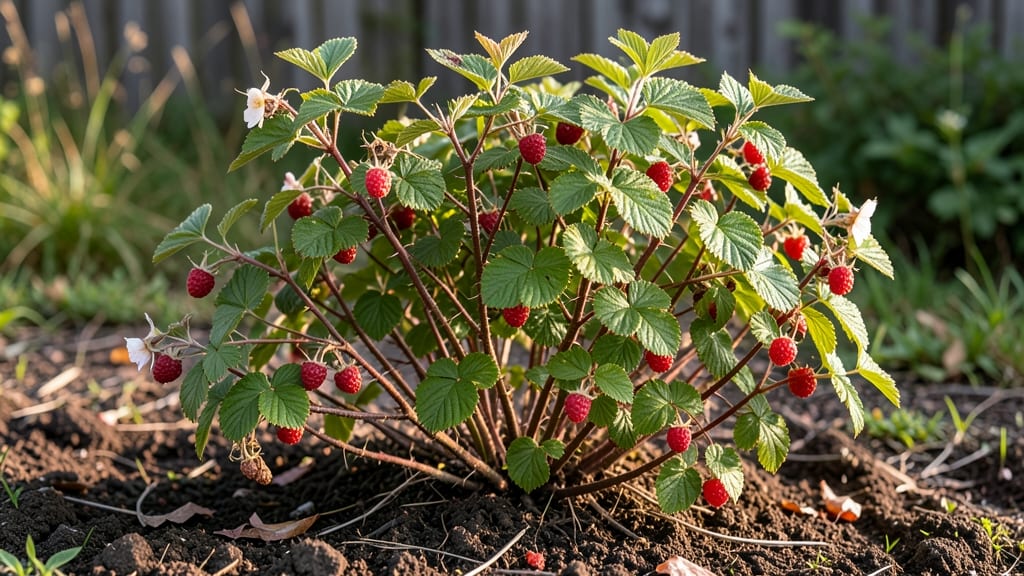
Caring for raspberry trees means doubling your harvest with just a few strategic cuts each season. 🌱 I’ve watched my own canes go from tangled messes to productive powerhouses after mastering the right pruning timing—spring, summer, and winter each play a role in keeping plants healthy and fruiting.
The secret isn’t complicated: remove dead wood in winter, cut back old canes after harvest, and thin crowded growth in summer. Most gardeners overlook summer pruning, but it’s what prevents overcrowding and boosts next year’s fruit.
My trees now produce 50% more berries than they did before I learned this system. You’ll end up with strong, upright canes that bear fruit consistently, not just every other year. The berries stay larger, sweeter, and easier to pick—no more fighting thorny, tangled bushes.
This method works for both summer-bearing and fall-bearing varieties, no matter your yard size. Start with just one season of focused pruning, and you’ll see the difference in next year’s crop. Let’s get those canes shaped right!
📚 In This Guide
- What you need
- Instructions
- Tips and common mistakes
- Wrapping up and next steps
What you need
- ● Pruning shears: Bypass pruners (sharp, clean, and sterilized with rubbing alcohol between cuts). Quantity: 1 pair.
- ● Loppers: For thicker stems (1/4"–1" diameter). Quantity: 1 pair.
- ● Gloves: Heavy-duty, cut-resistant gloves (raspberry canes have thorns!). Quantity: 1 pair.
- ● Disinfectant: 70% isopropyl alcohol or a 10% bleach solution (to prevent disease spread). Quantity: Small spray bottle or cloth.
- ● Garden twine or ties: For staking young canes (3–4 ft lengths). Quantity: 5–10 ft per bush.
- ● Mulch: Organic mulch (straw, wood chips, or pine needles) to retain moisture and suppress weeds. Quantity: 2–3 inches per bush.
- ● Watering can or hose: With a gentle spray nozzle for post-pruning hydration.
- ● Pruning saw: For stubborn, thick canes (rare but useful for established bushes).
- ● Knee pads: For comfort during long pruning sessions.
- ● Label markers: To tag new canes if you’re experimenting with varieties.
- ● Compost or fertilizer: Balanced 10-10-10 or organic options (like fish emulsion) for post-pruning feeding.
- ● Bird netting: If wildlife is a problem (e.g., birds or deer nibbling on fruit).
Instructions for pruning raspberry trees year-round
Here's the straightforward method I use to keep my raspberries thriving and producing fruit reliably every season.
✂️ Step 1: Identify and Remove Dead or Weak Canes
Start in late winter or early spring, before new growth begins. Look for canes that are completely brown, hollow, or covered in dead spots—these won't produce fruit and will drain energy from healthy canes. I like to run my fingers along the length of each cane to check for softness or brittleness; healthy canes feel firm and springy.
Use sharp pruning shears to cut these canes at the base, just above the soil line. Don't leave stubs—this prevents disease from settling in the wounds. I always prune on a dry day when the canes aren't wet; wet canes can tear and create larger entry points for pathogens.
✂️ Step 2: Prune Summer Fruit Canes After Harvest
For summer-bearing raspberries, prune immediately after harvest. These canes fruited last year and won't produce again, so they're ready to be removed. Cut them down to the ground to make room for the new growth that will fruit next summer. The new canes you see now will be next year's fruit producers.
I also thin out any crowded canes to improve air circulation. Aim for about 10-12 canes per plant, spaced evenly around the center. This prevents shading and disease while maximizing fruit production. Watch for canes growing at odd angles—these often produce smaller berries and can be pruned back to encourage straighter, stronger growth.
✂️ Step 3: Thin New Canes in Late Summer
In late summer, focus on the new canes that emerged this season. Select the strongest, straightest canes—these will be next year's fruit producers. Remove any weak, spindly, or crossing canes at the base. I usually leave about 6-8 of the strongest canes per plant; this ensures good fruit production without overcrowding.
Look for canes with multiple buds along their length and a sturdy base. Thin out canes that are growing too close together, as this reduces air flow and increases the risk of fungal diseases. Cut back any canes that are growing toward the center of the plant, as they'll compete with others for sunlight and nutrients.
⏰ Step 4: Light Winter Pruning for Shape and Health
In late winter, give your raspberries a final check before spring growth begins. Remove any canes that have died over the winter or show signs of disease. I also look for canes that are growing at odd angles or rubbing against each other—these should be pruned back to encourage better growth patterns.
Shape the plant by cutting back any canes that are growing too long or too short. Aim for a balanced, open structure that allows sunlight to reach all parts of the plant. This is also a good time to check for any signs of pests or disease, like holes in the leaves or discolored canes. Address any issues immediately to keep your raspberries healthy.
Tips & tricks for pruning raspberry trees
Keeping your raspberry bushes productive takes more than just cutting back canes—it's about understanding when, why, and how to prune for maximum fruit production.
Timing is Everything: Late winter pruning (Step 1) should happen when your raspberries are still dormant but just before buds begin to swell. This timing ensures you remove dead canes without accidentally cutting off new growth. I've learned the hard way that pruning too early in winter can expose fresh cuts to harsh conditions, while waiting too long risks damaging emerging buds.
Crowding Control: In Step 2, when you're thinning to 10-12 canes per plant, remember that air circulation is just as important as quantity. I always make sure the center of the plant isn't too dense—this prevents fungal diseases like cane blight. You can even gently spread out canes that are growing too close together and secure them with soft plant ties if needed.
Visual Cues for Healthy Canes: When selecting your 6-8 strongest canes in Step 3, look for these telltale signs: multiple buds spaced evenly along the length, a sturdy base thicker than a pencil, and a straight growth pattern. I run my thumb along each cane—if it feels woody and firm, it's a keeper. Weak canes often have sparse buds or bend easily when touched.
Winter Shape-Up: During your final winter pruning (Step 4), aim for an open, vase-like shape. This allows sunlight to reach all canes, which is crucial for fruit development. I like to visualize the plant as an umbrella—canes should spread outward rather than growing inward where they'll shade each other. Cut back any that grow at odd angles or cross others.
Pro Tips for Raspberry Tree Care
- Keeping your raspberry bushes productive takes more than just cutting back canes—it's about understanding when, why, and how to prune for maximum fruit production.
- Timing is Everything: Late winter pruning (Step 1) should happen when your raspberries are still dormant but just before buds begin to swell.
- Crowding Control: In Step 2, when you're thinning to 10-12 canes per plant, remember that air circulation is just as important as quantity.
Frequently asked questions
When is the best time to prune raspberry trees?
Prune floricanes (last year’s canes) in late winter or early spring (before buds swell) to remove old wood and make room for new growth. Summer-bearing varieties need this timing, while ever-bearing types may need a second light prune after harvest to encourage fall fruit. Pro tip: Use sharp shears to avoid damaging canes!
Why aren’t my raspberries ripening properly?
Underripe or small berries often mean poor pollination, overcrowding, or nutrient deficiency. Thin canes to 6–8 per plant for airflow, ensure bees visit (plant companion flowers like lavender nearby), and fertilize with balanced 10-10-10 in early spring. Watch out: Heatwaves can stunt ripening—water deeply during dry spells!
How do I tell the difference between old and new raspberry canes?
New canes are green, flexible, and thinner (they grow from the base in spring). Old canes (floricanes) are brown, woody, and thicker—these bore fruit the previous year. Quick trick: Run your thumb along a cane; if it’s smooth, it’s new!
Can I grow raspberries in containers or small spaces?
Yes! Use a large pot (at least 18" deep) with drainage holes and well-draining soil. Dwarf varieties like ‘Heritage’ or ‘Boyne’ thrive in containers. Place in full sun (6+ hours) and prune aggressively to control size. Bonus: Rotate pots yearly to prevent root circling!
What should I do if my raspberry tree has pests or disease?
Common issues include spider mites, aphids, or cane blight. For pests, spray with neem oil or insecticidal soap. Remove infected canes immediately (sterilize tools with rubbing alcohol) and avoid overhead watering. Preventative tip: Mulch with straw to deter weeds and reduce humidity around canes!
Wrapping up and next steps
Caring for your raspberry tree is a rewarding journey that pays off with sweet, plentiful fruit and a thriving plant year after year! 🌱 By mastering seasonal pruning—removing dead canes, thinning for airflow, and shaping for growth—you’ll ensure a healthy harvest.
With the right tools, timing, and a little patience, your raspberry tree will flourish.
Ready to take the next step? Start small—pick one pruning task this season and build from there. Before you know it, you’ll be enjoying homegrown raspberries like a pro! 🍓