
Trees
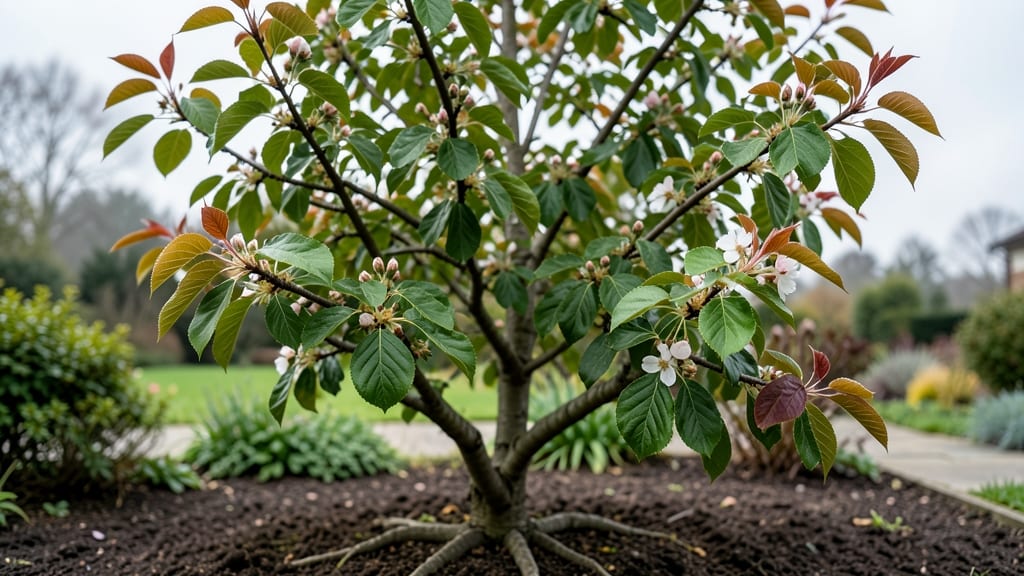
Your sour cherry tree leaves are the first warning system for what’s really going on underground. 🌿 I’ve spent years watching these trees go from lush and productive to sad, spotted messes—and the fix always starts with pruning at the right time and for the right reasons.
Most gardeners prune too late or too aggressively, which stresses the tree and invites fungal diseases like leaf spot or powdery mildew.
The trick is to prune in late winter (before buds swell) to remove dead wood, thin crowded branches, and improve airflow—all of which keeps leaves healthy and disease-free all season.
📚 In This Guide
- What you need
- Instructions
- Tips and common mistakes
- Wrapping up and next steps
What you need
- ● Pruning shears: Bypass pruners (for small branches, 5-7 inches long) – 1 pair
- ● Loppers: Bypass or anvil type (for medium branches, 8-12 inches long) – 1 pair
- ● Pruning saw: Hand saw with a curved blade (for thick branches, 12+ inches in diameter) – 1
- ● Gloves: Heavy-duty, cut-resistant (to protect hands from thorns) – 1 pair
- ● Disinfectant: 70% isopropyl alcohol or bleach solution (1 part bleach to 9 parts water) – small bottle
- ○ Pruning sealant: Optional, for large cuts (e.g., Tanglefoot Tree Wound Pruning Seal) – small tube
- ● Ladder or step stool: Sturdy, extendable (if tree is taller than 6 feet) – 1
- ● Trash bags: For collecting pruned branches – 2-3
- ● Sharpie or marker: For labeling branches if needed – 1
- ● Weather check: Prune on a dry, cloudy day (avoid windy or rainy conditions).
- ● Safety first: Wear long sleeves, pants, and closed-toe shoes to avoid scratches or cuts.
- ● Tree health assessment: Inspect the tree for diseases, pests, or dead branches before pruning.
- ● Plan your cuts: Sketch a rough outline of what you’ll remove (use a notebook or phone app).
- ● Cleanup supplies: Rags or paper towels for wiping tools between cuts (to prevent spreading disease).
- ● Hand sanitizer: For post-pruning clean-up.
- ● Tree growth regulator: (e.g., horticultural oil or copper fungicide) if treating pests/diseases.
- ● Camera: Snap photos before and after pruning to track progress!
- ● Tree pruning guidebook: For reference (e.g., “Pruning Made Easy” by Greg Stack).
Step-by-step guide to pruning sour cherry tree leaves
Here’s how I keep sour cherry trees thriving year-round with strategic pruning.
✂️ Step 1: Prune in Late Winter or Early Spring
Wait until after the worst winter chill has passed but before buds begin to swell—typically February to early March in most climates. This timing ensures you remove damaged wood while leaving the tree’s energy reserves intact for new growth. I always check the forecast first; pruning during a warm spell followed by a freeze can stress the tree.
Start by removing dead, diseased, or crossing branches first. These are easy to spot—they’re either brown and brittle or rubbing against other branches. Use clean, sharp pruning shears to make clean cuts at a 45-degree angle just outside the branch collar. This prevents water from pooling and causing rot.
🌿 Step 2: Thin the Canopy for Better Airflow
Sour cherry trees need good airflow to prevent fungal diseases like powdery mildew. Focus on branches growing inward or those that crowd the center of the tree. Remove one-third of the smallest branches first, working outward to create an open, vase-like shape. This lets sunlight reach the inner leaves and reduces humidity buildup.
I like to step back every few cuts to visualize the tree’s structure. If you see too many branches growing upward, trim the topmost ones to encourage a more balanced shape. Avoid removing more than 25% of the canopy in a single season—this keeps the tree from getting overwhelmed.
☀️ Step 3: Encourage Fruit Production with Strategic Cuts
For a productive harvest, prioritize branches that bear fruit. Sour cherries develop best on one- to three-year-old wood, so avoid cutting back these branches unless they’re diseased. Instead, focus on lightly thinning older branches to redirect energy to younger, fruit-bearing growth.
Look for suckers—those vigorous shoots growing from the base or roots—and remove them completely. They drain energy from the main tree. If a branch is too crowded, cut it back to a strong lateral branch that’s at least one-third the diameter of the parent stem. This ensures the tree can recover quickly.
⏰ Step 4: Summer Pruning for Shape and Pest Control
After the initial spring pruning, do a light maintenance trim in late June or early July to shape the tree and remove any shoot growth that’s too vigorous. This is also the time to cut out water sprouts—those fast-growing, vertical shoots that pop up along branches. They’re a sign the tree is stressed and should be pruned back to a lateral branch.
If you notice leaf curl or signs of pests (like sawfly larvae), prune affected leaves immediately and dispose of them in the trash—not the compost. Healthy leaves should be deep green, glossy, and free of spots. If you see yellowing or curling, it’s a sign of stress or disease, and pruning can help the tree redirect energy to healthier growth.
Tips & tricks for pruning sour cherry tree leaves like a pro
These pruning secrets will help you keep your sour cherry tree healthy and productive for years to come—without any of the common mistakes that trip up gardeners.
Timing is Everything: The February to early March window is critical because it's when the tree is still dormant but about to wake up. If you prune too early, you risk exposing fresh cuts to harsh winter freezes, while pruning too late can encourage new growth that might get damaged by late frosts. I've learned this the hard way after seeing new shoots get nipped by unexpected cold snaps. Check your local frost dates to be extra safe—some years, that late February warm spell can be misleading!
Tool Matters More Than You Think: Using clean, sharp pruning shears isn't just about making neat cuts—it's about the health of your tree. Dull blades crush the wood and create jagged edges that invite disease. I always clean my shears with rubbing alcohol between cuts, especially when dealing with diseased branches. For larger branches, use a pruning saw with a fine-toothed blade to avoid tearing the bark. And remember, the 45-degree angle cut just outside the branch collar isn't just aesthetic—it's how the tree naturally heals itself.
Visualize Your Tree's Future: Before you make a single cut, step back and look at your tree from all angles. This isn't just about removing what's there—it's about creating space for future growth. I like to imagine the tree's structure like a vase: wide at the bottom, narrowing toward the top. When you remove those one-third of smallest branches in Step 2, you're not just thinning—you're sculpting. This open vase shape lets sunlight penetrate to the inner leaves and air circulate, which is especially important for preventing fungal diseases like powdery mildew that can devastate sour cherry trees.
Summer Pruning Rescue Strategy: That late June or early July maintenance trim isn't just about aesthetics—it's your chance to catch problems before they become serious. When you see those water sprouts popping up like weeds along the branches, don't just cut them off at the base. Prune them back to a strong lateral branch that's at least one-third the diameter of the parent stem. This gives the tree a proper wound to heal from, rather than leaving a stub that can rot or attract pests. I've seen trees with dozens of these improperly pruned sprouts turn into pest magnets overnight.
Pro Tips for Sour Cherry Tree Leaves
- These pruning secrets will help you keep your sour cherry tree healthy and productive for years to come—without any of the common mistakes that trip up gardeners.
- Timing is Everything: The February to early March window is critical because it's when the tree is still dormant but about to wake up.
- Tool Matters More Than You Think: Using clean, sharp pruning shears isn't just about making neat cuts—it's about the health of your tree.
Frequently asked questions
Got questions about sour cherry tree leaves? You’re not alone! Here are some of the most common concerns—and clear, actionable answers to keep your tree thriving.
When is the best time to prune sour cherry tree leaves?
Prune sour cherry trees in late winter or early spring (before buds swell) to avoid spreading fungal diseases like silver leaf disease. Avoid pruning during wet weather or when leaves are actively growing. Pro tip: If you must prune in summer, do it after harvesting fruit to minimize stress.
Can I prune sour cherry leaves anytime, or does timing matter?
Timing absolutely matters! Pruning at the wrong time (e.g., fall or wet seasons) can invite pests, diseases, or even weaken the tree. Late winter/early spring is ideal because it removes winter-damaged branches while the tree is dormant. Exception: Light shaping in summer is fine, but avoid heavy cuts.
What if my sour cherry tree leaves turn yellow or brown after pruning?
Yellowing or browning leaves post-pruning often signal stress—common after aggressive cuts. Check for:
- Over-pruning (stick to 10–20% of the canopy per year).
- Pests like aphids or mites (inspect undersides of leaves).
- Fungal issues (e.g., powdery mildew) if pruning was done in damp conditions.
Are sour cherry tree leaves toxic to pets or humans?
No—the leaves themselves aren’t toxic, but large quantities might cause mild stomach upset due to cyanogenic glycosides (like in cherries). Pets may nibble them, but it’s rare to see severe reactions. Watch for: Excessive leaf consumption or cherry pits (which contain amygdalin), as these can be harmful.
What’s a good alternative if I don’t want to prune leaves?
If pruning feels overwhelming, focus on sanitation instead:
- Remove only dead, diseased, or crossing branches to improve airflow.
- Use thinning cuts (not heading cuts) to reduce leaf density naturally.
- Mulch and water consistently to support tree health without heavy pruning.
Wrapping up and next steps
From mastering the right tools to understanding the best timing and techniques, pruning sour cherry tree leaves is your ticket to a thriving, productive tree year-round. 🌿 Whether you're a seasoned gardener or just starting, these secrets will help you nurture a healthier, more vibrant tree—one trim at a time!
Ready to put your new skills to the test? Grab your pruners, mark your calendar, and give your sour cherry tree the care it deserves. Your future harvest—and your tree’s longevity—will thank you!