
Leaf Blower
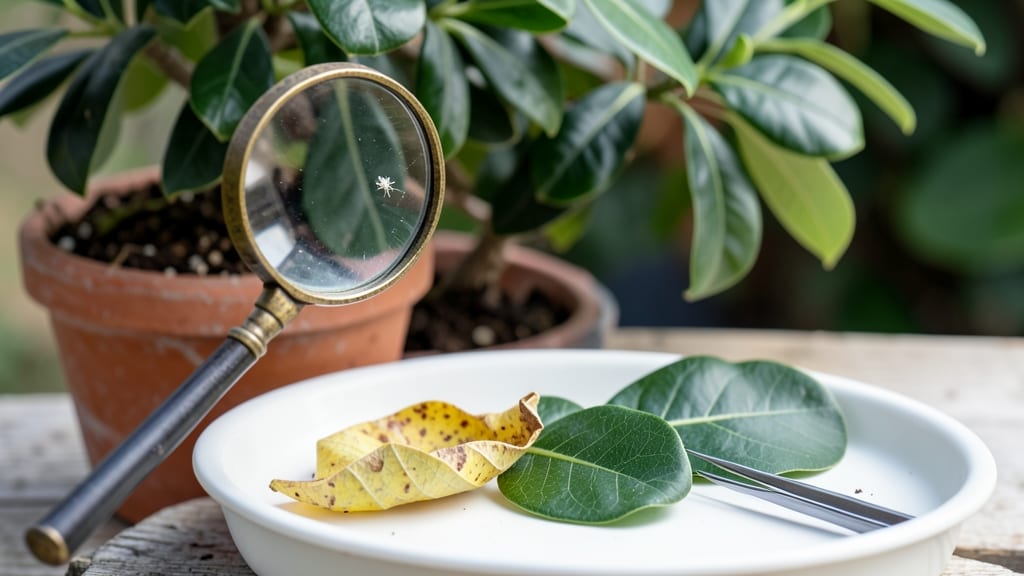
Bay tree leaf curl turns your kitchen staple into a sad, puckered mess—🌿 but I’ve fixed this problem in my own garden, and it’s easier than you’d think. The culprit is usually a fungal infection like Pseudomonas syringae, though overwatering or nutrient stress can mimic the symptoms.
What starts as a small curl on the edges spreads quickly if ignored, leaving you with brittle, yellowing leaves that crumble at a touch.
The good news? You can stop it in its tracks with three simple steps: prune the curled leaves immediately, adjust your watering schedule (bay trees hate soggy roots), and treat with a copper fungicide spray if the problem persists.
I’ve seen full recovery in as little as 4-6 weeks with consistent care—no harsh chemicals required. The key is acting fast before the fungus spreads to new growth.
Once you’ve got it under control, prevention becomes routine: space your plants for airflow, avoid overhead watering, and feed them with a balanced fertilizer in early spring. My bay trees now stay lush and productive year-round, with no more curled leaves to toss.
The difference in texture and fragrance is night and day—no more weak, wilted branches.
This method works for both container-grown and in-ground bay trees, and the same principles apply to other evergreens like boxwoods or laurels. The secret isn’t complicated—it’s consistent, attentive care. Let’s get those leaves looking healthy again.
Root Causes Behind Leaf Curl
Understanding why your bay tree’s leaves develop that unsightly curl is the first step to restoring its health. Leaf curl in bay trees (Laurus nobilis) is rarely a single issue—it’s usually a symptom of environmental stress, pest activity, or underlying health problems.
Below, we break down the most common culprits, complete with scientific explanations and actionable insights to help you diagnose the problem accurately.
Bay trees are evergreen, but they’re not immune to the effects of rapid temperature shifts or prolonged cold exposure. When temperatures drop below 20°F (-7°C) or fluctuate drastically (e.g., warm days followed by freezing nights), the leaves can’t regulate water loss efficiently.
This causes cellular damage, leading to curling as the plant tries to minimize moisture escape.
Why it happens:
- Cold stress disrupts the cuticle layer (the waxy outer coating of leaves), making it brittle and prone to cracking.
- Frost damage can kill leaf cells outright, while temperature swings confuse the tree’s hormonal signals, triggering abnormal growth patterns.
- Windburn (a type of cold stress) exacerbates the issue by drying out leaves faster than the tree can compensate.
Actionable fix:
- Mulch heavily around the base (3–4 inches of organic mulch) to insulate roots and moderate soil temperature.
- Use frost cloth in late fall/winter if your region experiences hard freezes.
- Avoid pruning in late summer/fall—new growth is more vulnerable to cold damage.
Several pests target bay trees, and their feeding habits directly cause leaf curl.
The most common offenders include: - Bay Psyllids (Triozidae family): These tiny, sap-sucking insects inject toxins into leaves, causing cupping, thickening, and curling as the plant reacts to their saliva. - Spider Mites (Tetranychus spp.): Under drought stress, these arachnids pierce leaf cells, draining chlorophyll and triggering stippled, curled leaves as a defensive response. - Scale Insects (Diaspididae): Their sticky honeydew secretions attract sooty mold, which blocks sunlight and forces leaves to curl inward to conserve energy.
Why it happens:
- Psyllids inject phytotoxins that disrupt auxin (a growth hormone), leading to distorted leaf development.
- Mites thrive in dry conditions (below 30% humidity), causing plasmolysis (cell dehydration), which makes leaves brittle and curled.
- Scale insects weaken the tree by sapping nutrients, reducing its ability to maintain proper leaf structure.
Actionable fix:
- Blast pests off with a strong stream of water (early morning) to dislodge eggs and adults.
- Apply horticultural oil (neem or petroleum-based) in spring/fall to smother mites and scales.
- Release predatory insects like ladybugs or lacewings to control psyllids naturally.
Bay trees are drought-tolerant but hate soggy roots—both overwatering and underwatering can trigger leaf curl, though for different reasons.
Underwatering:
- Leaves curl downward (a survival mechanism to reduce water loss via transpiration).
- Soil moisture stress causes abscisic acid (a plant hormone) to accumulate, signaling leaves to curl and drop.
Overwatering:
- Root rot (Phytophthora or Pythium fungi) from waterlogged soil starves roots of oxygen, forcing the tree to prioritize leaf survival over growth.
- Curling upward often occurs as leaves wiltingly try to escape excess moisture.
Why it happens:
- Underwatering leads to osmotic stress, where cells lose turgor pressure (rigidity) and collapse inward.
- Overwatering triggers anaerobic conditions in soil, producing ethanol and toxic gases that damage root cells, which then signal the leaves to curl.
Actionable fix:
- Check soil moisture with your finger—water only when the top 2 inches are dry (bay trees prefer well-draining soil).
- Improve drainage by amending clay soil with perlite or sand, or planting in raised beds.
- Avoid wetting foliage during watering to prevent fungal infections that worsen curl.
Bay trees are heavy feeders, and deficiencies in key nutrients can cause leaves to curl as the plant struggles to maintain cellular function.
| Deficiency | Symptoms | Why It Causes Curl |
|---|---|---|
| Magnesium | Yellowing between leaf veins (interveinal chlorosis), then curling upward. | Magnesium is central to chlorophyll production—without it, leaves can’t photosynthesize efficiently, leading to structural weakness. |
| Nitrogen | Pale green/yellow leaves, slow growth, curling edges. | Nitrogen fuels protein synthesis; low levels reduce cell expansion, causing leaves to curl as they fail to reach full size. |
| Potassium | Scorched leaf edges, curling downward. | Potassium regulates water and nutrient movement—deficiency leads to osmotic imbalances, making leaves curl to conserve moisture. |
Why it happens:
- Magnesium deficiency often stems from alkaline soil (pH > 7.0), which locks out this nutrient.
- Nitrogen depletion occurs after heavy pruning or in poor-quality soil with low organic matter.
- Potassium shortages are common in sandy soils or after prolonged drought.
Actionable fix:
- Test your soil (pH and NPK levels) and amend with:
- Epsom salt (for magnesium) – 1 tbsp per gallon of water, sprayed on leaves.
- Compost or aged manure (for nitrogen) – Work into soil in early spring.
- Wood ash or greensand (for potassium) – Sprinkle lightly around the base.
- Use a balanced fertilizer (10-10-10) in spring and fall to prevent deficiencies.
While less common than pests or environmental stress, pathogens can cause leaf curl by disrupting cell structure or clogging vascular tissues.
- Bay Anthracnose (Colletotrichum spp.): Causes dark, sunken lesions that force leaves to curl as the fungus invades tissues.
- Bacterial Leaf Curl (Pseudomonas spp.): Produces oozing cankers and stunted, curled growth due to bacterial toxins.
- Powdery Mildew (Erysiphe spp.): Creates a white, powdery coating that blocks sunlight, leading to puckered, curled leaves.
Why it happens:
- Fungi like anthracnose secrete enzymes that break down cell walls, causing localized necrosis (dead tissue) that curls inward.
- Bacteria clog xylem vessels (water-conducting tubes), starving leaves of water and nutrients, which triggers curling.
- Powdery mildew reduces photosynthesis by 50%, forcing leaves to curl to minimize damage.
Actionable fix:
- Prune infected leaves immediately and dispose of them (do not compost).
- Apply copper fungicide (for bacterial issues) or sulfur-based spray (for mildew) in early morning to avoid burning leaves.
- Improve airflow by thinning dense foliage and avoiding overhead watering.
Sometimes, leaf curl isn’t biological—it’s mechanical or due to harsh growing conditions.
- Wind or Hail Damage: Physical trauma can crush leaf edges, causing them to curl as the plant tries to "heal."
- Salt Burn: Near coastal areas or after de-icing treatments, salt buildup in soil disrupts osmosis, leading to scorched, curled leaves.
- Pollution or Herbicide Drift: Sulfur dioxide (from car exhaust) or glyphosate residue can bleach and distort leaves, causing curling.
Why it happens:
- Wind/hail ruptures cell membranes, triggering calcium imbalances that
Fixing Your Bay Tree’s Wavy Leaves
If your bay tree’s leaves are curling like a parchment scroll, don’t panic—there’s a solution for every cause! Below, we’ve mapped out practical fixes based on the most common triggers, from fungal infections to environmental stress.
Follow these steps to restore your tree’s health and keep those glossy leaves looking their best.
If the curl comes with yellow spots, brown edges, or a slimy film, a pathogen is likely to blame. Act fast to stop the spread!
✅ Fix It:
- 🔪 Prune the Damage
- Use sterilized pruners (wipe with rubbing alcohol) to remove all curled, spotted, or discolored leaves.
- Cut back to healthy green tissue—don’t leave stubs.
- 💦 Apply Fungicide
- Spray with a copper-based fungicide (like copper sulfate) or a neem oil solution (1 tbsp neem oil + 1 quart water + a drop of dish soap).
- Reapply every 7–10 days until new growth appears.
- 🌡️ Improve Airflow
- Thin out crowded branches to reduce humidity near the foliage.
- Avoid overhead watering—water at the base instead.
💡 Prevention Tip:
- Space plants 3–5 feet apart to prevent fungal spread.
- Water in the morning so leaves dry quickly.
Bay trees hate wet feet—curls with yellowing leaves or mushy stems mean your tree is drowning.
✅ Fix It:
- 💧 Adjust Your Watering
- Let the top 1–2 inches of soil dry out before watering again.
- Water deeply but less often—bay trees prefer drought-like conditions over soggy roots.
- 🏗️ Check the Drainage
- If potted, add perlite or sand to the soil mix (bay trees need well-draining, slightly acidic soil).
- Repot if needed—if roots are circling or the pot has no drainage holes, upgrade to a terracotta pot (better airflow).
- 🌿 Trim Affected Areas
- Snip off soft, mushy leaves to redirect energy to healthy growth.
💡 Prevention Tip:
- Use a moisture meter to track soil dampness—bay trees thrive at 40–60% moisture.
- Mulch lightly (if in ground) to retain moisture without suffocating roots.
Sudden heatwaves, cold drafts, or too much direct sun can make bay leaves pucker and crisp.
✅ Fix It:
- 🌳 Find the Right Spot
- Outdoors? Move to partial shade (morning sun, afternoon shade).
- Indoors? Keep near a bright, east-facing window (avoid south/west if glass gets too hot).
- 🌡️ Acclimate Gradually
- If moving outdoors, harden off slowly (1 hour extra sun/day for a week).
- Avoid frost—bay trees cannot tolerate temps below 20°F (-7°C).
- 💦 Mist for Recovery
- Lightly mist leaves in extreme heat to prevent dehydration.
💡 Prevention Tip:
- Use shade cloth (30–50%) in peak summer to protect from scorching.
- Group plants together to create a microclimate with stable humidity.
Tiny spider mites, aphids, or scale insects suck sap, causing leaves to curl, yellow, or stick together.
✅ Fix It:
- 🔍 Inspect & Identify
- Look for tiny webs, sticky residue (honeydew), or tiny bugs on undersides of leaves.
- 🚿 Blast Off Pests
- Spray with soapy water (1 tsp mild dish soap + 1 quart water) or neem oil spray.
- For heavy infestations, use horticultural oil (follow label instructions).
- 🌿 Encourage Beneficial Bugs
- Release ladybugs or lacewings (natural predators of soft-bodied pests).
💡 Prevention Tip:
- Wipe leaves monthly with a damp cloth to remove eggs.
- Avoid over-fertilizing—weak plants attract more pests.
If leaves curl with pale veins or slow growth, your bay tree might be hungry for key nutrients.
✅ Fix It:
- 📊 Test Your Soil
- Use a DIY soil test kit to check pH (ideal: 6.0–7.0) and nutrient levels.
- 🍃 Feed the Right Way
- Balanced fertilizer (10-10-10) in spring and early summer.
- For yellowing between veins, add iron chelate (sign of chlorosis).
- Avoid high-nitrogen fertilizers—they burn roots and worsen stress.
- 🌿 Compost or Mulch
- Top-dress with well-rotted compost for slow-release nutrients.
💡 Prevention Tip:
- Fertilize lightly—bay trees prefer moderate feeding over heavy doses.
- Use organic matter (like worm castings) to improve soil structure over time.
✨ Final Pro Tip: Bay trees are tough but finicky—once you identify the cause, consistency is key. Check your tree weekly for early signs of stress, and adjust care as seasons change.
With the right fixes, your bay tree will bounce back with smooth, vibrant leaves in no time! 🌿💚
Frequently asked questions
Why do bay tree leaves curl upward instead of downward?
Upward curling often signals overwatering or fungal infection. When roots suffocate from soggy soil, the tree prioritizes leaf survival by curling them upward to reduce water loss. Check for mushy stems or yellowing—these confirm root rot. For fungal issues, look for dark spots or slimy films on leaves.
Can I save my bay tree if half the leaves are already curled?
Yes! Act fast by pruning all curled leaves (use sterilized tools) and adjusting care. If it’s water-related, let soil dry completely before watering again. For pests/fungus, apply neem oil or copper fungicide. With consistent fixes, new growth emerges in 4-6 weeks—just keep monitoring weekly.
Is leaf curl contagious between bay trees?
Yes, if caused by fungal/bacterial infections like Pseudomonas or Colletotrichum. These spread via water splashes or tools. Always sterilize pruners between plants and remove infected leaves immediately. Keep trees spaced 3-5 feet apart to improve airflow and prevent spores from jumping.
Will Epsom salt fix curled leaves caused by magnesium deficiency?
Epsom salt (magnesium sulfate) can help, but it’s a short-term fix. Mix 1 tablespoon per gallon of water and spray leaves monthly. For long-term results, amend soil with compost or dolomitic lime (raises magnesium levels). Watch for yellowing between veins—this confirms deficiency before curling appears.
Can I use household vinegar as a fungicide for bay tree leaf curl?
No—vinegar’s acidity (pH 2-3) burns leaves and worsens damage. Instead, use copper fungicide (safe for edible plants) or a 1% hydrogen peroxide solution (mix 1 tbsp per quart of water). Always test sprays on a small leaf first to check for sensitivity.