
Leaf Blower
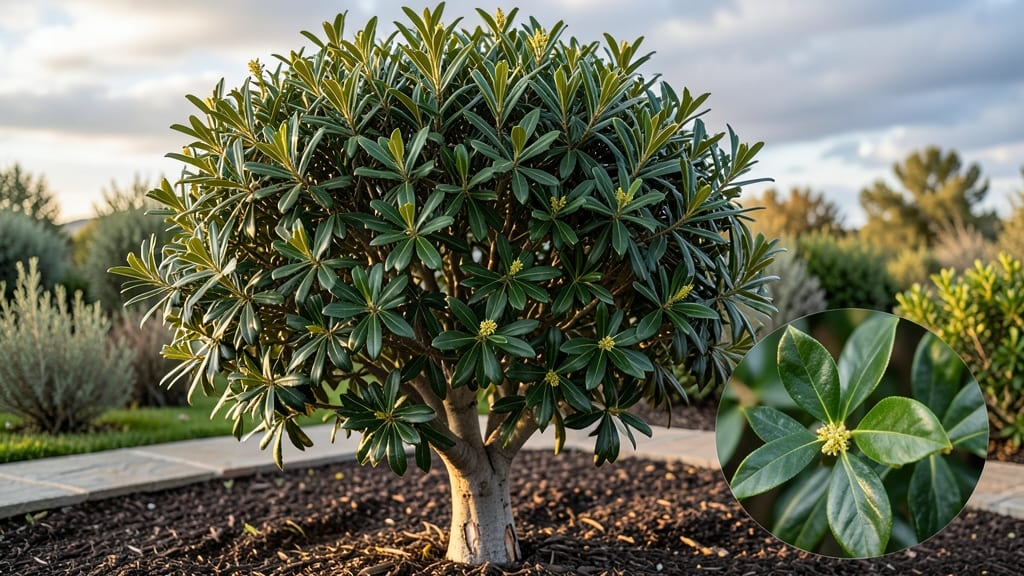
A bay leaf tree grows between 10 and 40 feet tall, depending on the variety and how you grow it 🌿 — some stay compact enough for a patio, while others reach for the sky like a small tree.
If you’re dreaming of fragrant bay leaves for cooking but wondering how much space to dedicate, the height of your bay leaf tree matters—some varieties stretch skyward while others stay compact.
Standard bay trees in the ground can tower 20 to 40 feet tall, making them a statement in any landscape. But with the right pruning and container gardening, you can keep them at a manageable 8 to 12 feet for patios or balconies.
Below, I’ll break down the height ranges by variety, how to control growth, and whether your space can handle this fragrant giant. Plan your bay tree’s placement based on its mature size!

Bay leaf tree height by variety: from dwarf to towering giants
If you’re planning to grow a bay leaf tree for its fragrant foliage, understanding its mature height is key to choosing the right variety for your space.
The Sweet Bay Laurel (Laurus nobilis), the classic kitchen herb tree, can grow dramatically different sizes depending on its variety and growing conditions. Some stay compact enough for containers, while others become towering giants in your landscape.
Let’s explore the height ranges and growth habits so you can pick the perfect fit for your garden or patio.
Bay leaf trees thrive in USDA Zones 7-10 and can reach heights from as short as 6 feet to over 40 feet in ideal conditions. Their growth rate varies too—some varieties grow just 1-2 feet per year, while others shoot up 3 feet annually when happy.
Whether you’re dreaming of a dwarf bay tree for your balcony or a standard tree for your backyard, knowing these details will help you plan for success.
🌿
The Sweet Bay Laurel, the most common variety for cooking, typically reaches 20-40 feet tall when planted in the ground. However, if you’re growing it in a large container, you can keep it pruned to 10-15 feet.
This makes it a versatile choice for both landscape planting and container gardening. The California Bay Laurel, native to the West Coast, is even taller, often exceeding 60 feet in its natural habitat, but it grows more slowly in containers.
For those with limited space, the dwarf varieties like Laurus nobilis 'Angustifolia' are perfect. These stay between 6-10 feet tall and grow at a much slower pace, making them ideal for patios, balconies, or small yards.
Even in containers, they thrive as long as you provide enough well-draining soil and regular pruning to maintain their shape.
Climate plays a huge role in height too. Bay leaf trees grown in warmer climates (Zones 9-10) tend to grow faster and taller, while those in cooler zones (7-8) may stay smaller unless given extra care.
In container cultivation, height is naturally restricted, but you’ll still see 1-2 feet of growth per year if the tree is healthy. Always choose a pot with drainage holes and use lightweight potting mix to avoid root-bound stress.
If you’re growing bay leaf trees for their aromatic leaves, remember that pruning encourages bushier growth and can help control height. Regular trimming in late winter or early spring keeps the tree manageable while ensuring a steady supply of fragrant leaves.
For cooking purposes, even a 6-foot dwarf variety can produce enough leaves for your kitchen needs!
🪴
Before planting, check your local frost dates—bay leaf trees are sensitive to cold and may struggle in Zones below 7 unless given winter protection. In container gardens, you can easily move potted trees indoors during freezing weather. For outdoor planting, choose a sunny spot with
How to control bay leaf tree height: pruning and growth tips
Bay leaf trees (Laurus nobilis) can reach towering heights of 20-40 feet outdoors, but with the right techniques, you can keep them compact—even in containers. The key lies in strategic pruning and understanding their growth habits.
Whether you're aiming for a patio-sized tree or a bushy houseplant, these methods will help you control their height naturally.
Pruning isn’t just about cutting back—it’s about encouraging bushier growth while preventing leggy stems. Bay trees respond well to pruning, but timing matters. The best time to prune is late winter or early spring, just before new growth begins.
Avoid heavy pruning in fall or winter, as this can stress the tree and reduce its resilience to cold.
For container-grown bay trees, height control starts with root pruning and pot size. Choose a container that’s only slightly larger than the root ball—this restricts root growth, which in turn limits how tall the tree can grow.
Combine this with regular tip pruning to encourage a fuller, more compact shape. Remember, bay trees grow slowly, so patience is key!
- Step 1: Wait for the Right Time Prune in late winter or early spring (just before new growth starts). Avoid pruning in fall or winter—this can weaken the tree.
- Step 2: Use Sharp, Clean Tools Sterilize your pruners with rubbing alcohol to prevent disease. Use bypass pruners for clean cuts on branches up to ½-inch thick.
- Step 3: Prune for Shape, Not Just Height Remove 1/3 of the tallest branches to encourage bushiness. Cut just above a leaf node or outward-facing bud to promote new growth.
- Step 4: Avoid Topping Never cut the main stem flat (topping)—this creates weak, leggy growth. Instead, prune selectively to maintain a natural shape.
- Step 5: Fertilize After Pruning Apply a balanced fertilizer (10-10-10) to support new growth. Water deeply to help the tree recover.
- Step 6: Monitor Container Growth If growing in a pot, repot every 2-3 years to refresh soil and roots. Choose a container 12-18 inches wide for compact growth.
If your bay tree is already too tall, don’t panic—gradual pruning over 2-3 years will bring it back to a manageable size. Focus on removing the longest branches first, then gradually shape the tree.
For container trees, pinching back new growth regularly will keep them small and bushy. Just remember: bay trees thrive on consistency, so stick to a pruning schedule!
For a dwarf bay tree, look for varieties like 'Angustifolia' or 'Tiny Tower', which naturally stay under 8-12 feet tall. These are perfect for small gardens or patios.
Even with dwarf varieties, light pruning will keep them healthy and encourage dense foliage. Pair this with regular harvesting of leaves—this stimulates new growth and maintains a compact shape.
With these tips, you can enjoy a fragrant, manageable bay tree whether it’s in your garden or on your balcony. Start pruning early, and you’ll avoid the headache of dealing with an unruly giant later. Happy gardening! 🌿✂️