
Pruning
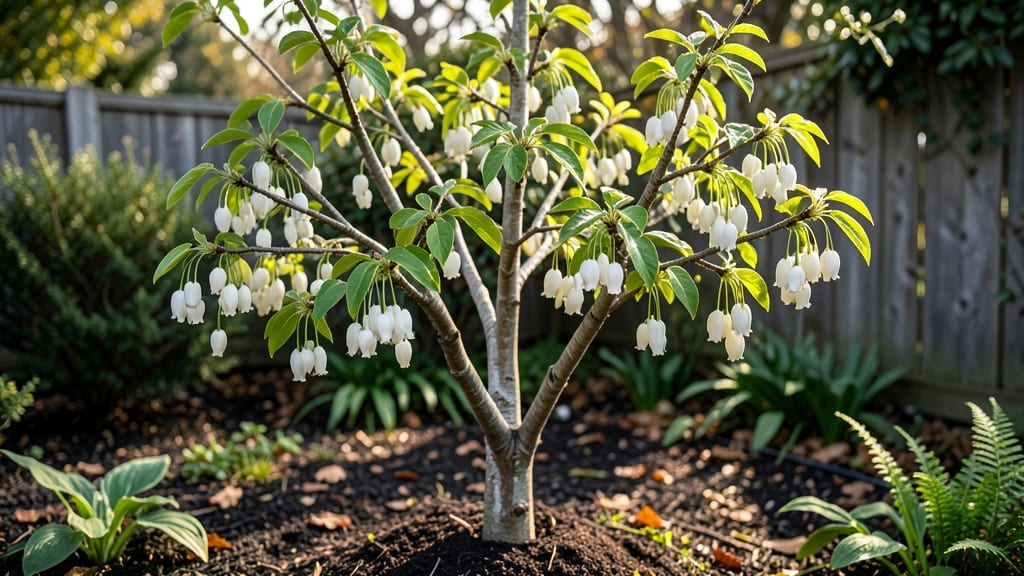
A stink tree picture highlights its unmistakable traits: glossy dark green leaves with jagged edges, clusters of tiny yellow-green spring blooms, and those infamous rotten-smelling seed pods. The tree's textured gray-brown bark completes its striking appearance.
A stink tree's visual identity goes beyond just its leaves. 🌳 The tree's serrated leaf edges and alternate arrangement along the branches help distinguish it from similar species like sycamore.
What really sets it apart is the odor - those crushed seed pods smell like spoiled meat, a defense mechanism against predators. I've seen people mistake stink trees for hackberry at first glance, but the leaf shape and bark texture reveal the difference upon closer inspection.
The spring flowers are another key identifier, appearing in dense clusters before the distinctive fruit forms.
What makes stink tree identification tricky is how easily its features can be overlooked.
Many people focus only on leaf shape, missing the crucial bark texture or seasonal flower patterns. 🌿 The tree's growth habit - with its spreading branches and moderate height - also plays a role in proper identification.
When in doubt, I recommend examining all these features together rather than relying on any single characteristic.
💡 In This Article
- Identifying Stink Tree Leaves and Bark
- Common Mistakes in Stink Tree Photo Identification
Identifying stink tree leaves and bark
The stink tree's leaves are one of its most distinctive features, with a leathery texture and deep green color that stays vibrant year-round. Each leaf measures about 3-6 inches long and 2-4 inches wide, featuring 7-11 pairs of veins that create a noticeable pattern when held up to light.
The serrated edges aren't just jagged - they form sharp, irregular teeth that can catch light differently than smoother leaf margins. 🌿 This vein structure helps distinguish it from sycamore leaves, which typically have more rounded lobes.
The bark tells another story with its deeply furrowed, diamond-shaped plates that create a textured surface. These patterns develop as the tree matures, starting smooth in younger specimens before becoming increasingly rugged.
The color shifts from light gray in wet conditions to a more brownish hue when dry, with the furrows often collecting lichen or moss. What's fascinating is how this bark structure helps regulate moisture - the deep grooves create microclimates that protect the tree during droughts. 🌳
Seasonal changes reveal even more clues. In spring, the tree produces small yellow-green flowers in dense clusters that hang downward, creating a fragrant (though not unpleasant) display.
These flowers develop into the infamous seed pods that emit that rotten odor - a chemical defense called putrescine that mimics decay to deter animals from eating the seeds.
The pods themselves are 1-2 inches long and split open when mature, releasing the foul smell that gives the tree its name.
What often confuses people is how the stink tree's leaf arrangement differs from similar species. The leaves grow alternately along the branches (one leaf per node) rather than in opposite pairs, which helps distinguish it from trees like hackberry.
The petiole (leaf stem) is also distinctive - it's 1/2 to 1 inch long and often appears slightly swollen at the base, another subtle but important identification feature.
For a complete identification, examine all these elements together. The combination of serrated leaves, furrowed bark, alternate leaf arrangement, and seasonal flower/fruit changes creates a unique visual profile that's hard to mistake once you know what to look for.
The key is patience - these features become more apparent when observed over time rather than in a single snapshot. 🔍