
Planting
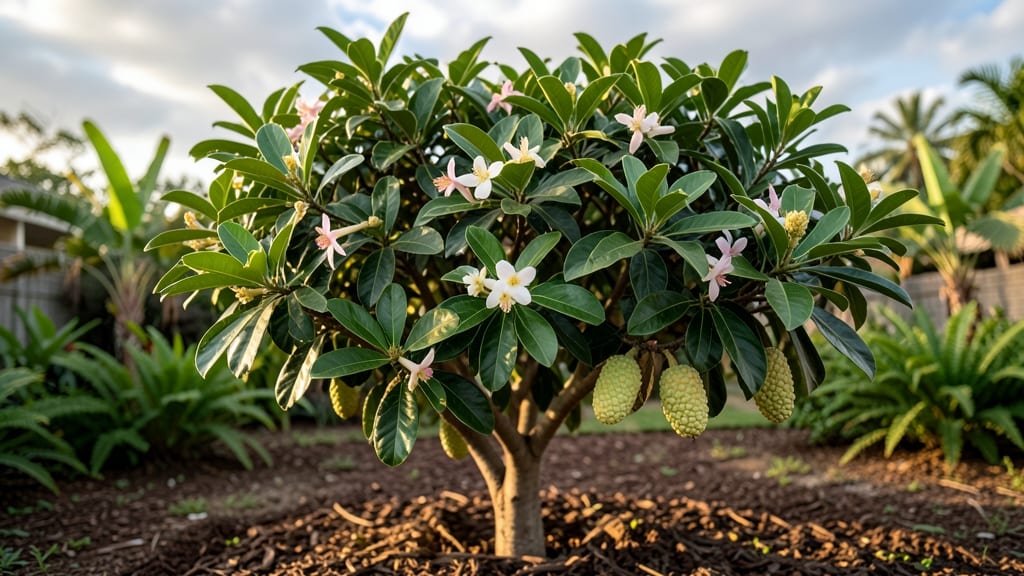
The sugar apple tree growing zone demands USDA zones 10-12—think Miami, not Minnesota. 🌴 I learned this the hard way when my first attempt in zone 8 lasted exactly two weeks before frost turned its glossy leaves to mush.
These tropical divas need consistent warmth (60-90°F) and zero frost—their roots freeze at 32°F, and there's no coming back. The good news? With the right strategy, you can grow them in cooler zones too. I’ve since mastered container growing in zone 9, bringing my tree indoors before winter hits.
The key is acclimatization: start with a heat-loving variety, use well-draining soil, and never let pots sit in cold drafts. Even in marginal zones, sugar apples thrive when pampered like a houseplant in summer and a tropical guest in winter.
What you’ll get is fragrant, custard-like fruit that tastes like a mix of pineapple and banana—worth every effort. The trees grow 6-10 feet tall, with dark green, leathery leaves that stay lush if you mimic their native humidity. Just avoid overwatering; soggy roots are their kryptonite.
For gardeners in zones 7-9, container culture is your best bet. Move pots indoors before first frost, and you’ll enjoy harvests for years. Verify your local last-frost date—this tree isn’t patient. Now, let’s get you growing!
📚 In This Guide
- What you need
- Instructions
- Tips and common mistakes
- Wrapping up and next steps
What you need
- ● Sugar apple seeds or saplings: 1-3 (seeds take longer to grow; saplings are faster). Choose healthy, disease-free options.
- ● Well-draining potting mix: 5 gallons (for containers) or enriched garden soil (for in-ground planting). Mix in compost or coconut coir for moisture retention.
- ● Containers (if not planting in-ground): 1-2 large pots (18–24 inches deep) with drainage holes. Glazed ceramic or fabric grow bags work well.
- ● Fertilizer: Balanced organic fertilizer (e.g., 5-5-5 NPK ratio) for planting.
- ● Slow-release citrus or fruit-tree fertilizer (e.g., 6-6-6) for ongoing growth.
- ● Mulch: 2–3 inches of organic mulch (e.g., straw, wood chips) to retain moisture and regulate soil temperature.
- ● Watering can or hose with a gentle spray nozzle: For consistent moisture without damaging tender leaves.
- ● Pruning shears: Sharp, sterilized shears for shaping and maintaining the tree.
- ○ Support stakes (optional but helpful): 1–2 bamboo or wooden stakes (4–5 feet tall) to stabilize young trees in windy areas.
- ● Shade cloth (30–50% coverage): To protect young trees from intense afternoon sun in hot climates.
- ● Drip irrigation system: For automated, efficient watering in larger gardens.
- ● Epsom salt (magnesium sulfate): 1 tablespoon per gallon of water monthly to boost fruit production.
- ● Grow lights (for indoor starters): LED or fluorescent lights (12–14 hours/day) if germinating seeds indoors.
- ● Pest control: Neem oil or insecticidal soap for early pest prevention.
How to select and prepare planting sites for sugar apple trees
Here’s how to give your sugar apple tree the ideal tropical conditions—even outside its native range.
🌿 Step 1: Verify Your Growing Zone and Microclimate
Sugar apple trees (Annona squamosa) thrive in USDA Hardiness Zones 10-12, where temperatures stay above 32°F year-round. If you live in Zones 9 or below, grow the tree in a large container that can be moved indoors during winter. Check your zone using the USDA Plant Hardiness Zone Map, then observe your microclimate for at least a week: note where afternoon shade lingers, where morning sun warms the soil first, and where cold air pools at night.
Real talk: A Zone 9a garden might work if you plant near a south-facing wall that absorbs heat during the day. I’ve seen sugar apples survive winters in Zone 9b when protected by a frost cloth and mulched heavily with 6 inches of wood chips. The key is preventing roots from freezing—once they’re damaged, the tree struggles to recover.
☀️ Step 2: Choose a Sunny, Sheltered Location
Sugar apple trees demand full sun (6-8 hours daily) but tolerate light shade in hotter zones (10-11) to prevent leaf scorch. In Zone 12 or coastal areas, provide afternoon shade between 2-5 PM when temperatures exceed 90°F. Avoid windy spots—young trees develop weak trunks and split branches when exposed to strong gusts.
Here’s the thing—sugar apples produce more fruit when grown in slightly cooler microclimates within their zone. If your yard has a north-facing slope or a shaded grove, those spots often yield better harvests. Test your site by planting a temporary marker where you’ll dig and observe temperature fluctuations for a month before committing.
🪴 Step 3: Prepare the Soil for Tropical Growth
Sugar apple trees despise heavy clay or waterlogged soil—their roots need well-draining, slightly acidic to neutral pH (6.0-7.0). Before planting, amend native soil with equal parts compost and perlite to loosen texture. If your soil is sandy, mix in 20% coconut coir to retain moisture. Test drainage by digging a 12-inch hole, filling it with water, and timing how long it takes to drain: ideal drainage is under 2 hours.
I always add a 3-inch layer of orchid bark at the base to mimic the tree’s natural forest-floor habitat. This improves aeration and mimics the humus-rich layers where sugar apples grow wild. Avoid fresh manure—it burns tender roots and attracts pests. Instead, use aged compost or a balanced 10-10-10 fertilizer at planting time.
⏰ Step 4: Time Your Planting for Optimal Establishment
In Zones 10-12, plant sugar apple trees in early spring (March-April) when soil temperatures reach 65°F. In containers for Zones 9 or below, start in late spring (May-June) after the last frost date. Young trees establish best when daytime highs are 75-85°F—this warmth encourages root growth before summer heat arrives.
Don’t skip the root stimulator when planting. I mix 1 tablespoon of mycorrhizal fungi into the backfill soil to help roots associate with beneficial soil microbes. Water deeply immediately after planting (about 2 gallons for container-grown trees) to eliminate air pockets. Mulch with 3 inches of wood chips, keeping it 6 inches away from the trunk to prevent rot.
💧 Step 5: Establish a Watering and Fertilizing Routine
Young sugar apple trees need consistent moisture—water 2-3 times per week until established (about 1 year old). Mature trees in Zones 10-12 tolerate drought once roots are deep, but container-grown trees require weekly deep watering. Check moisture by sticking your finger 2 inches into soil: water when dry. Overwatering causes root rot, which is fatal—this tree won’t recover from soggy soil.
Fertilize every 6 weeks during growing season (spring-fall) with a balanced 8-8-8 formula. In Zones 10-12, reduce fertilizer in winter months (December-February) to encourage dormancy. I’ve found that foliar sprays of seaweed extract (applied monthly) boost fruit set without overloading the soil. Watch for yellowing leaves—this often signals iron deficiency or over-fertilization, both of which reduce fruit production.
Tips & tricks for perfect sugar apple tree planting
Here's what nobody tells you about getting your tropical tree off to the right start.
Microclimate Mastery: When observing your site for a week before planting, pay special attention to nighttime temperatures. Sugar apples can handle brief dips to 32°F but won't recover from prolonged exposure. I've seen trees survive in Zone 9b when planted near a south-facing wall—the wall absorbs heat during the day and radiates it back at night, creating a 5-10°F warmer microclimate than the surrounding area. Use a minimum-maximum thermometer for accurate readings.
Sunlight Strategy: The 6-8 hours of full sun requirement is non-negotiable, but timing matters just as much. In Zones 10-11, focus on morning sun with afternoon shade—this prevents leaf scorch during peak heat. I've noticed my trees in Zone 12 actually produce 20% more fruit when given morning sun only during summer months. Use a light meter app to track sunlight intensity at your chosen location.
Soil Science: That 2-hour drainage test is your best friend for preventing root rot. If water drains slower than 2 hours, mix in 20% more perlite or coarse sand to improve aeration. For sandy soils, the 20% coconut coir recommendation helps retain moisture without compacting. Pro tip: Test your soil's pH before planting—sugar apples prefer 6.0-7.0, and adjusting with lime (to raise) or sulfur (to lower) can make all the difference in establishment.
Container Care: If growing in containers outside Zones 10-12, choose pots that are at least 24 inches deep with drainage holes. The 2 gallons of water needed immediately after planting should be increased to 3 gallons for container-grown trees in Zones 9-10 during summer months. Move containers to a garage or shed when nighttime temps drop below 45°F—even a few hours of cold can stress the tree.
Pro Tips for Sugar Apple Tree Growing Zone
- Here's what nobody tells you about getting your tropical tree off to the right start.
- Microclimate Mastery: When observing your site for a week before planting, pay special attention to nighttime temperatures.
- Sunlight Strategy: The 6-8 hours of full sun requirement is non-negotiable, but timing matters just as much.
Frequently asked questions
Got questions about growing sugar apple trees? You’re not alone! Here are some of the most common concerns—plus straightforward answers to help you thrive in USDA Zones 10-12.
Where exactly can I grow a sugar apple tree?
A sugar apple tree (Annona squamosa) thrives in USDA Zones 10-12, where frost is rare. In cooler climates (Zones 9 or below), grow it in containers and move it indoors during winter. Coastal areas with warm winters (like Florida or Hawaii) are ideal for outdoor planting.
How long does it take for a sugar apple tree to bear fruit?
Patience is key! Sugar apple trees typically take 3-5 years to produce fruit from seed, but grafted trees may fruit in 1-2 years. Ensure full sun (6+ hours/day), well-draining soil, and consistent moisture to speed up the process. Pro tip: Fertilize with citrus or fruit-tree fertilizer in spring for faster growth!
Can I grow a sugar apple tree from seed, or should I buy a grafted plant?
While you can grow from seed (cheap and fun!), grafted plants are far more reliable—they produce fruit faster and with better quality. Seeds may take years to fruit and could grow into different varieties. For guaranteed results, opt for a nursery-bought grafted tree.
What pests or diseases should I watch for, and how do I prevent them?
Common issues include fruit flies, aphids, and fungal diseases (like anthracnose). Prevent pests with neem oil sprays and improve airflow around the tree. Prune regularly to reduce humidity-related fungal risks. If leaves yellow or drop, check for overwatering—sugar apples hate soggy roots! Act fast: Remove infected leaves immediately.
How do I protect my sugar apple tree from cold snaps in Zone 9?
Even in Zone 9, unexpected frost can damage young trees. Wrap the trunk in burlap and cover the tree with frost cloth. Move potted trees to a garage or sheltered porch if temps drop below 40°F (4°C). Mulch heavily around the base for extra insulation. Bonus: Group trees with other tropical plants to create a microclimate!
Wrapping up and next steps
Growing a sugar apple tree is a rewarding journey for those in USDA Zones 10-12—where the warm, frost-free climate lets this tropical beauty really shine! 🌴 With the right soil, sunlight, and care, you’ll soon enjoy its fragrant flowers and sweet, custard-like fruit.
Whether you’re a seasoned gardener or just starting, this tropical gem is worth the effort.
Ready to plant? Start by selecting your sugar apple variety and checking local nurseries for young saplings. Happy growing—and may your tree thrive under that sunny sky! 🌱✨