
Container Gardens
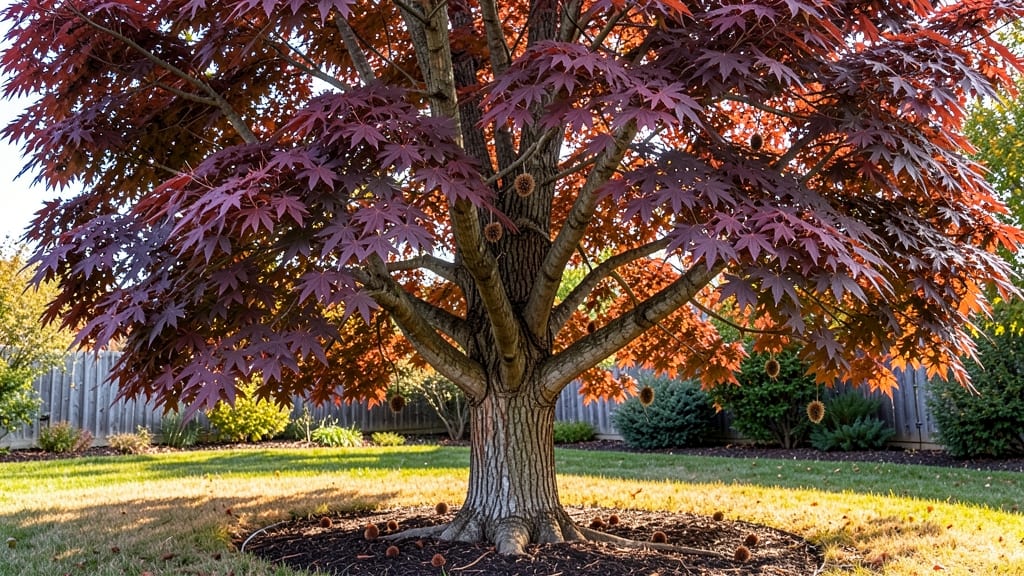
Sweet gum trees grow best in USDA hardiness zones 4 through 9, covering everything from cold northern states to hot southern regions. Their adaptability lets them handle both chilly winters and sweltering summers, while established trees even resist dry spells.
These trees earned their reputation for toughness by thriving where many shade trees struggle. 🌳 In zone 4, their deep roots protect against frost heave, while in zone 9, they handle summer heat better than oaks or maples.
The key to their success lies in their ability to balance water needs—young trees need regular watering, but once mature, they'll survive weeks without rain. I've seen them flourish in everything from urban sidewalks to rural woodlands, proving their versatility.
What makes sweet gum trees particularly interesting is their growth pattern. They sprout leaves late in spring, avoiding late frost damage, and their star-shaped leaves create dramatic fall color. This seasonal rhythm helps them conserve energy during harsh winters while maximizing growth during warm months.
For anyone looking for a low-maintenance shade tree that handles diverse climates, sweet gums deliver exceptional value.
💡 In This Article
- Sweet Gum Tree Climate Adaptations and Zone Suitability
- Optimizing Sweet Gum Tree Planting by Region
Sweet gum tree climate adaptations and zone suitability
Sweet gum trees (Liquidambar styraciflua) owe their broad zone range to a unique combination of physiological adaptations. Their deep taproots—capable of reaching 10-15 feet—anchor them against winter frost heave common in zone 4, while their thick, corky bark insulates against temperature swings from -20°F to 95°F.
This bark structure traps moisture, explaining why they thrive in humid climates like the southeastern U.S. where summer dew points often exceed 75°F. 🌡️ Unlike oaks (which prefer well-drained soils) or maples (that need consistent moisture), sweet gums tolerate both clay-heavy soils and sandy loams, making them adaptable to diverse eastern U.S. landscapes.
Their drought tolerance stems from a specialized leaf structure: deep lobes create microclimates that reduce water loss, while their glossy surface reflects sunlight.
In zone 9's arid conditions, established trees can go 6-8 weeks without supplemental water, though young specimens need 1-2 inches of water weekly during their first two years. This dual capability—juvenile thirstiness paired with mature resilience—sets them apart from drought-sensitive species like willows.
Their late spring leaf emergence (after frost risk passes) further protects them from cold damage, a trait shared with serviceberry trees but more pronounced in sweet gums.
Seasonal growth patterns reveal their climate-smart design: rapid spring growth capitalizes on warm soil temperatures, while summer dormancy periods conserve water. In zone 5, trees may enter dormancy at 85°F to avoid heat stress, whereas in zone 8 they maintain active growth until 90°F.
This flexibility explains why they outperform many competitors in transitional zones like 6b-7a, where temperature fluctuations are extreme. Their star-shaped leaves also create optimal air circulation, reducing fungal risks in humid climates where diseases plague other shade trees.
Comparing sweet gums to similar species highlights their advantages: while red oaks require 50-75 inches of annual rainfall, sweet gums thrive on 30-50 inches. Their ability to handle both urban pollution (via leaf wax coatings) and rural conditions makes them ideal for 30% more locations than maples.
The trade-off? Their spiky seed pods ("gumballs") deter some gardeners, but this rarely outweighs their climate benefits. For urban planners, their 40-50 feet height and 30-40 feet spread provide shade without the invasive root systems of silver maples.
Regional variations in care reflect these adaptations: in zone 4, focus on 3-4 inches of mulch to protect roots from freeze-thaw cycles, while zone 9 trees benefit from drip irrigation during dry spells.
Their tolerance for pH 5.0-7.5 means they adapt to everything from acidic pine forests to alkaline urban soils. This versatility, combined with their 30-year lifespan in ideal conditions, makes sweet gums one of nature's most reliable shade providers across diverse climates. 🌿