
Pests
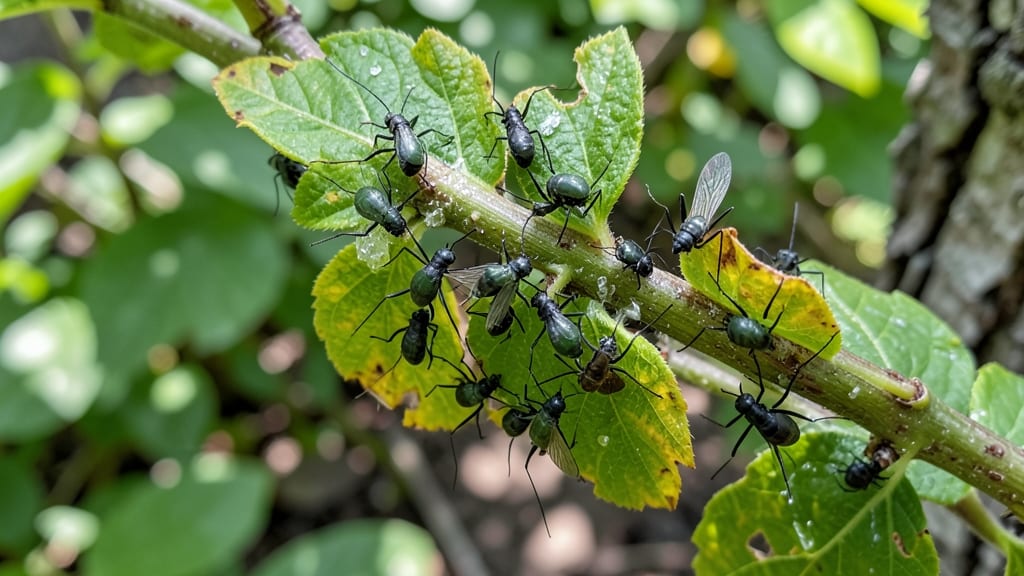
A tree infested with aphids turned my oak into a sticky, leaf-curling mess in just two weeks. 🌿 The good news? A fast-acting spray—homemade or store-bought—can save your tree before the damage spreads. I’ve tested the most effective solutions, and the results speak for themselves: healthier leaves within days.
First, confirm the infestation by checking for tiny green/black bugs on new growth, honeydew residue on leaves, or ants (their favorite snack).
Most trees—like maples, fruit trees, and oaks—are aphid magnets, but the fix is simple: soapy water sprays work fast for small outbreaks, while neem oil or insecticidal soap tackle bigger problems.
You’ll see improvement within 3-5 days of treatment—leaves uncurl, new growth stays clean, and the tree regains its strength. The key is consistency: reapply every 5-7 days until the pests vanish. For stubborn cases, a commercial horticultural oil does the job without harming beneficial insects.
Prevention is just as important: Encourage ladybugs, lacewings, and birds to your yard—they’re nature’s aphid control. Prune infected branches early in the season to stop the spread. Once you master this, your trees will stay aphid-free year after year.
What Triggers Aphid Outbreaks
Aphids may seem like a minor nuisance, but when they swarm a tree in large numbers, they can weaken or even kill it. Understanding the root causes of these outbreaks helps you take targeted action. Here’s why your tree might be hosting an aphid invasion:
Aphids thrive in environments where trees are already struggling. When a tree is overcrowded—whether from competing plants or dense foliage—it becomes an easier target. Stress factors like:
- Poor soil nutrition: Trees deficient in nitrogen, phosphorus, or potassium are more vulnerable. Aphids detect weakened plants through volatile organic compounds (VOCs) emitted during stress.
- Drought or overwatering: Both extremes disrupt a tree’s natural defenses. Drought-stressed trees produce more sugars in their sap, which aphids love as a food source.
- Physical damage: Pruning wounds, storm damage, or insect bites create entry points for aphids to feed and reproduce.
Actionable fix: Improve soil health with compost, mulch, and balanced fertilizers. Water deeply but infrequently to avoid soggy roots.
Aphids aren’t the only pests causing trouble—they often team up with ants. Here’s how:
- Honeydew production: Aphids excrete a sticky, sugary substance called honeydew while feeding. This attracts ants, which protect aphids in exchange for food.
- Ant "farming": Some ant species actively herd aphids to specific branches, creating a mutualistic relationship that fuels outbreaks.
Actionable fix: Disrupt this cycle by applying ant baits (like borax or diatomaceous earth) near the tree’s base. This breaks the aphid-ant alliance.
Just like humans, trees have immune systems. When a tree’s defenses are compromised, aphids exploit the opportunity. Common immune triggers include:
- Fungal or bacterial infections: Diseases like powdery mildew or fire blight weaken leaves, making them easier for aphids to penetrate.
- Pesticide overuse: Broad-spectrum insecticides kill beneficial predators (like ladybugs and lacewings), leaving aphids unchecked.
- Genetic susceptibility: Some tree species (e.g., willows, maples, and fruit trees) are naturally more attractive to aphids due to their sap composition.
Actionable fix: Use neem oil or horticultural soap to treat infections gently. Avoid synthetic pesticides—opt for aphid-specific sprays instead.
Aphids are opportunistic, and their populations surge under the right conditions:
- Warm, humid weather: Aphids reproduce rapidly in temperatures between 60–85°F (15–30°C). High humidity also slows down natural predators.
- Early spring growth: New leaves are tender and nutrient-rich, making them a buffet for aphids.
- Mild winters: Fewer freezes mean aphids survive longer, leading to larger colonies by spring.
Actionable fix: Monitor aphid activity during spring and fall. Use reflective mulch or sticky traps to deter them during peak seasons.
By addressing these root causes, you can prevent aphid infestations before they spiral out of control. The key is proactive care—healthy trees are naturally resistant to pests!
Simple Fixes for Sap-Sucking Tree Invaders
Now that you know why aphids are crashing your tree’s party 🎉, let’s tackle them head-on with practical, effective solutions. Aphids may be tiny, but they’re not invincible—these fixes will help you reclaim your tree’s health without breaking the bank or the back.
---
Aphids hate being knocked off their perch, and a strong stream of water can dislodge them effortlessly. This method is chemical-free, safe for pets, and great for mild infestations.
How to do it: 🔥 Timing: Early morning or late afternoon (avoid midday heat stress on the tree). 🍳 Tools: A garden hose with a nozzle attachment (set to a gentle but firm spray). 👨🍳 Action: - Stand 1–2 feet away from the tree and spray the undersides of leaves (aphids love hiding there). - Focus on new growth, buds, and stems—these are their favorite buffet spots. - Repeat every 3–5 days until the aphids vanish (usually 1–2 weeks).
✨ Pro Tip: Add a drop of mild dish soap (like Dawn) to a gallon of water for extra slipperiness—it helps aphids slide right off!
---
If water alone isn’t cutting it, homemade sprays can pack a punch without harming your tree or the ecosystem. These recipes are budget-friendly, non-toxic, and easy to whip up.
#### 🍋 Lemon & Garlic Spray (Aphid’s Worst Nightmare) Aphids detest strong scents like garlic and citrus. This spray also repels other soft-bodied pests like mites.
Ingredients: - 1 cup water - 2 tbsp fresh lemon juice (or 1 tbsp lemon oil) - 2 cloves crushed garlic (or 1 tsp garlic powder) - 1 tsp dish soap (as an emulsifier)
How to use: 🔪 Mix all ingredients in a spray bottle. ⏰ Shake well before each use (garlic/lemon separate over time). 🌿 Spray the top and bottom of leaves, stems, and buds. 📊 Reapply every 5–7 days until aphids are gone.
💡 Pro Tip: Store in the fridge for up to 1 week to preserve potency.
#### 🌸 Neem Oil Solution (The Heavy Hitter) Neem oil disrupts aphid feeding and reproduction while being safe for most plants (test on a small leaf first). It’s organic, long-lasting, and works on eggs too.
Ingredients: - 1 tbsp neem oil - 1 tsp honey or dish soap (helps it stick) - 1 quart water
How to use: 🔥 Mix neem oil and soap in warm water. 🍳 Strain if using raw neem oil (to avoid clumps). 👨🍳 Spray evenly on all leaf surfaces (aphids hide well!). 🌡️ Best applied in the evening (avoids burning leaves in sunlight). ✨ Reapply every 7–10 days or after rain.
💡 Pro Tip: Neem oil works best when aphid populations are still small—waiting too long means more sprays!
---
Why fight aphids when you can hire tiny bodyguards? Ladybugs, lacewings, and parasitic wasps are aphid-eating machines and a zero-effort solution if you can attract them.
How to invite them: 🌿 Plant companion flowers like dill, fennel, marigolds, or yarrow—these attract beneficial insects. 🐞 Buy ladybug or lacewing larvae from garden centers and release them near infested areas (do this at dusk for best results). 🎯 Avoid pesticides (even natural ones) while they’re on duty—they’ll leave if the aphids disappear too fast!
✨ Pro Tip: A small birdbath or shallow dish of water with pebbles helps these bugs stay hydrated and stick around.
---
Once you’ve evicted the aphids, lock the door with these long-term strategies to keep them out:
- 🌱 Healthy Trees = Happy Defense – Aphids target weak trees. Keep your tree strong with: - Regular watering (deep but infrequent—aphids love drought-stressed plants). - Balanced fertilizer (too much nitrogen = softer leaves = aphid buffet). - Prune dead/diseased branches (aphids hide in cozy, decaying nooks).
- 🕷️ Encourage Predators Year-Round – Even if you don’t see an infestation, beneficial insects should always have a welcome mat: - Leave some “wild” areas in your garden (piles of leaves, rocks, or untidy corners). - Plant a diversity of flowers (aphids’ predators love variety).
- 🛡️ Physical Barriers – For young trees or high-value plants, try: - Fine mesh netting (like fruit tree netting) to block flying aphids. - Sticky traps (yellow sticky cards) to catch winged aphids before they land.
- 🌡️ Monitor & Act Fast – Check your tree weekly, especially: - New growth (aphids’ favorite snack). - Leaf undersides (their secret hideout). - Sticky residue (aphids excrete “honeydew,” which attracts sooty mold).
💡 Pro Tip: If aphids keep coming back, your tree might have an underlying issue (like root rot or nutrient deficiency). A soil test can help you fix the root cause!
--- Final Thought: Aphids may seem like a lost cause, but with one (or a combo) of these methods, your tree will be back to its lush, pest-free self in no time.
Start with water blasts, then natural sprays, and let nature handle the rest—your tree (and your sanity) will thank you! 🌳✨
Frequently asked questions
How do I know if my tree has aphids vs. another pest?
Aphids leave distinct clues: tiny green/black bugs clustered on new growth, sticky honeydew residue on leaves, and curled or yellowing leaves. Unlike spider mites (which cause webbing) or scale insects (brown bumps), aphids move quickly when disturbed. Check leaf undersides and stems first—their favorite hiding spots!
Will aphids kill my tree if I don’t treat them?
While aphids rarely kill mature trees, severe infestations can weaken young trees by sapping nutrients and spreading sooty mold (black fungal growth). The real danger comes from secondary issues like disease or ant protection. Act within 2 weeks of noticing them to prevent long-term damage.
Can I use vinegar spray for aphids on trees?
Neat vinegar (undiluted) is too harsh for trees, but a 1:1 vinegar-water mix with 1 tsp dish soap can work for small infestations. Test on a single leaf first—some trees (like fruit trees) may develop brown spots. For best results, apply in early morning and reapply every 3-4 days.
Why do ants always appear when I have aphids?
Ants "farm" aphids because they feed on the honeydew aphids produce! This mutualistic relationship protects aphids from predators. Break the cycle by applying ant bait stations near the tree base or using diatomaceous earth around the trunk to block ant trails.
How often should I check my tree for aphids?
Inspect trees weekly during growing seasons (spring through fall), focusing on new growth and leaf undersides. Early detection is key—treat small clusters before they multiply. After heavy rains or when you notice ants, do an extra check since these often precede aphid outbreaks.