
Flowers
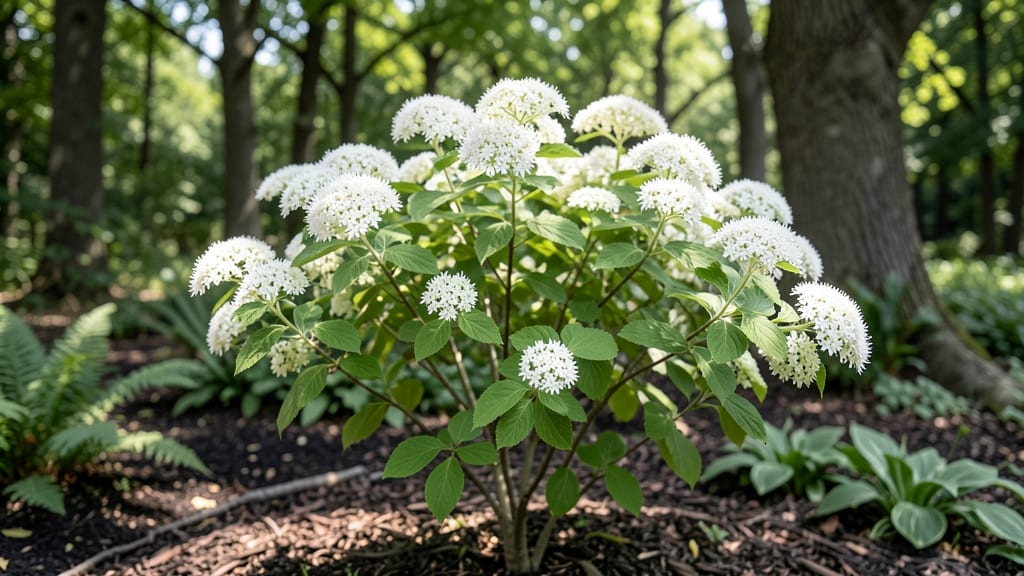
My garden’s secret weapon for fragrance and pollinators is a tree shrub with small white fragrant flowers—the kind that turns heads in spring and keeps bees buzzing all season. 🌿 I’ve tested Philadelphus (Mock Orange) and Deutzia in my yard, and both deliver that intoxicating scent while adding structure to borders.
The key? Planting them where you’ll brush past them—near patios, pathways, or entryways. These shrubs thrive in partial shade to full sun, making them versatile for almost any garden spot. Their delicate blooms contrast beautifully with bold foliage like hydrangeas or boxwood, while their airy branches soften hard edges.
I pair mine with lavender for a fragrant hedge combo that lasts from late spring through summer. What you’ll love most is how they transform a space into a sensory experience—imagine stepping into a cloud of sweetness every evening.
They’re also low-maintenance once established, needing only occasional pruning to keep their shape. The fragrance alone makes them worth the investment. Perfect for cottage gardens, modern landscapes, or even urban courtyards. Let’s explore how to make them the star of your design!
Why Flowers Fade Fast
If your fragrant white-blossomed shrub is struggling to keep its vibrant, aromatic flowers, the culprit often lies in environmental or care-related factors. Understanding these triggers helps restore—and even enhance—its blooming potential. Let’s break down the science behind why these delicate blooms might not last as long as you’d hope.
White-flowering shrubs like Deutzia, Pieris, or Abelia thrive in moderate climates but wilt under stress from sudden temperature shifts. Here’s how it happens:
- Heat Stress: When daytime temps exceed 85°F (29°C), petals dry out faster due to increased transpiration. High heat also disrupts pollen production, shortening bloom cycles. 🌡️
- Cold Shock: Frosts below 25°F (-4°C) can damage flower buds before they open, while late spring frosts after budding cause bud blast—a condition where flowers blacken and drop prematurely.
- Nighttime Chill: A 20°F (11°C) drop between day and night stresses the plant’s vascular system, diverting energy away from flower longevity.
Actionable Fix: Choose late-blooming varieties (e.g., Abelia × grandiflora) for extended summer color. Mulch with 3–4 inches of organic material (like shredded bark) to insulate roots and buffer soil temps. 🌱
White-flowering shrubs despise soggy roots. Excess moisture triggers:
- Root Rot: Fungal pathogens like Phytophthora thrive in waterlogged soil, clogging xylem vessels that transport nutrients to flowers. Wilting and yellowing leaves follow, then premature flower drop.
- Nutrient Leaching: Overwatering flushes out calcium and magnesium—key for petal development—leading to weak, short-lived blooms.
- Oxygen Starvation: Compacted or clay-heavy soils trap water, suffocating roots. Without oxygen, the plant diverts energy to survival, not flowering.
Actionable Fix:
- Test soil drainage: Dig a 12-inch hole, fill it with water, and time how long it takes to drain. If it’s slower than 4–6 hours, amend with perlite or sand.
- Water deeply 2–3 times per week (not daily) during dry spells, aiming for 1–1.5 inches of moisture per session.
- Use raised beds or containers for shrubs in heavy clay soils to improve airflow.
Many small white-flowering shrubs (e.g., Daphne, Weigela) require full sun (6+ hours daily) to fuel photosynthesis—the process that produces sugars for flower production. Without enough light:
- Weak Floral Buds: Plants stretch toward light (etiolation), producing fewer, smaller blooms with less fragrance.
- Delayed Blooming: Shrubs may bloom later in the season or skip flowering entirely, as energy is diverted to leaf growth.
- Pale Petals: Chlorophyll breakdown in low light leads to dull, less vibrant white flowers.
Actionable Fix:
- Prune nearby trees or structures to increase sunlight exposure.
- For shade-tolerant varieties (like Pieris japonica), ensure they get morning sun + dappled afternoon light—never deep shade.
- Use reflective mulch (like white gravel) to bounce light onto the plant’s base.
Hidden invaders can sabotage your shrub’s floral display before you notice. Common culprits include:
| Pest/Disease | How It Affects Flowers | Signs to Watch For |
|---|---|---|
| Japanese Beetles | Chewing on petals and buds, causing premature drop. | Skeletons of flowers, black excrement on leaves. |
| Powdery Mildew | Fungal infection blocks sunlight, weakening blooms. | White powdery coating on leaves/buds; stunted growth. |
| Aphids | Sap-sucking insects distort buds, preventing full bloom. | Sticky residue (honeydew), curled leaves, yellowing. |
Root-Knot Nematodes
| Damage roots, reducing nutrient uptake for flowers. |
Gnarled roots, poor growth, chlorotic (yellow) leaves. |
|
Actionable Fix:
- Prevent pests: Spray with neem oil (1 tbsp per gallon of water) every 2 weeks during bloom season.
- Fungal control: Apply baking soda spray (1 tsp baking soda + 1 quart water + drop of soap) for powdery mildew.
- Soil health: Solarize soil in late summer (cover with clear plastic for 4–6 weeks) to kill nematodes.
Timing matters! Pruning at the wrong time can remove next year’s flower buds or stress the plant into early dormancy. For example:
- Late Winter Pruning: Many shrubs (like Deutzia) bloom on old wood. Cutting back in late winter removes dormant buds, resulting in fewer flowers.
- Over-Pruning in Spring: Heavy pruning after buds form can divert energy from blooming to regrowth.
- Ragged Cuts: Jagged pruning wounds invite disease, weakening the plant’s ability to support flowers.
Actionable Fix:
- Prune after blooming (late spring/early summer) for most white-flowering shrubs.
- Use clean, sharp shears and make cuts at a 45° angle just above a bud.
- Remove no more than ⅓ of the plant in one session to avoid shock.
Revive & Rejuvenate Your Fragrant Shrub
If your small-flowered, white-blooming shrub is struggling—whether it’s wilting, losing leaves, or failing to bloom—don’t despair! With the right care, you can bring it back to life and keep it thriving for seasons to come.
Below, we’ve mapped out practical solutions for common issues, from soil troubles to pest problems, along with prevention tips to keep your pollinator magnet in peak condition.
If your shrub’s roots are waterlogged or starved of nutrients, it’ll show signs like yellowing leaves, stunted growth, or sparse blooms.
#### 🔥 Fix It: Improve Soil & Drainage - Test your soil 📊: Use a simple soil kit (or send a sample to a local extension office) to check pH and nutrient levels. Ideal pH for most fragrant shrubs is 6.0–7.0. - Amend the soil 🌿: - For clay-heavy soil: Mix in compost, perlite, or coarse sand to improve drainage. - For sandy soil: Add peat moss or aged compost to retain moisture and nutrients. - For acid-loving shrubs (like Pieris or Andromeda): Work in pine bark fines or sulfur to lower pH. - Mulch properly 🍂: Apply 2–3 inches of organic mulch (like shredded bark or pine needles) around the base, but keep it 6 inches away from the trunk to prevent rot. #### 💡 Prevention Tips - Avoid over-fertilizing—stick to a balanced, slow-release fertilizer in early spring. - Water deeply but infrequently to encourage deep root growth (1–2 inches per week, depending on climate). - Choose the right location—ensure your shrub gets the sunlight it craves (most fragrant varieties need partial sun to full sun).Too much shade or scorching sun can stress your shrub, leading to weak stems, few flowers, or leaf scorch.
#### 🍳 Adjust Light Exposure - Move potted shrubs 🏺: If indoors or in a shaded spot, relocate them to a bright, indirect light area (east or north-facing windows are ideal). - Prune nearby obstructions 🌳: Trim back overgrown trees or structures casting harsh afternoon shade. - Provide afternoon shade 🌞: For sun-sensitive varieties (like some Deutzia or Weigela), use lightweight shade cloth in peak summer heat. #### 🌡️ Prevention Tips - Research your shrub’s needs—some (like Mock Orange) thrive in full sun, while others (like Azalea) prefer morning sun + afternoon shade. - Acclimate gradually if moving from shade to sun—expose potted plants to increasing sunlight over 2–3 weeks.Chewing insects, fungal spots, or sap-sucking pests can defoliate your shrub and stunt its growth.
#### 👨🍳 Treat Infestations Naturally | Pest/Disease | Signs | Fix It | |------------------------|------------------------------------|----------------------------------------------------------------------------| | Aphids | Sticky residue, curled leaves | Spray with soapy water (1 tsp mild soap + 1 quart water) or introduce ladybugs. | | Spider Mites | Fine webbing, speckled leaves | Mist leaves daily to increase humidity; use neem oil spray. | | Powdery Mildew | White powdery coating | Prune affected branches; apply baking soda spray (1 tsp + 1 quart water + a drop of soap). | | Borers | Sawdust-like frass, wilting | Handpick larvae or treat with beneficial nematodes. | | Scale Insects | Bumpy, shell-like pests | Scrape off with a soft brush or use horticultural oil. | #### ✨ Prevention Tips - Encourage beneficial insects 🐞: Plant marigolds, lavender, or dill nearby to attract predator bugs. - Water at the base 💦: Avoid wetting foliage to prevent fungal spores from spreading. - Inspect regularly 🔍: Check undersides of leaves and new growth weekly during peak pest seasons (spring/fall).Over-pruning, wrong timing, or cutting in the wrong places can weaken your shrub and reduce flowering.
#### 🔪 Prune Like a Pro - When to prune ⏰: - After blooming (for spring-flowering shrubs like Lilac or Deutzia). - Early spring (for summer-bloomers like Weigela or Spirea). - How to prune ✂️: - Remove dead/diseased wood first—cut back to healthy green tissue. - Shape lightly: Trim 1/3 of the oldest stems at the base to encourage new growth. - Avoid "heading back" (cutting into old wood)—this can delay or reduce blooms. - Sterilize tools 🧼: Wipe pruners with rubbing alcohol between cuts to prevent disease spread. #### 🎯 Prevention Tips - Label your shrubs 📝: Keep track of bloom times to prune at the right season. - Use sharp tools ⚔️: Dull shears crush stems, inviting infections—opt for bypass pruners.With these targeted fixes, your fragrant shrub should bounce back stronger than ever—ready to welcome bees, butterflies, and your admiration all season long! 🐝🌸 For persistent issues, consider consulting a local nursery or arborist for a tailored plan.
Frequently asked questions
What are the best small white-flowering shrubs for pollinators?
Top pollinator magnets include Philadelphus (Mock Orange), Deutzia, and Spiraea. These shrubs produce dense clusters of fragrant white blooms that attract bees, butterflies, and hummingbirds. Plant them near patios or garden borders where you'll enjoy their sweet scent while supporting local wildlife.
How do I maximize fragrance in my white-flowering shrub?
For the strongest scent, plant your shrub where you'll brush past it daily—like near pathways or seating areas. Prune lightly after blooming to encourage next year's flowers, and avoid heavy fertilizers that can dilute fragrance. Water consistently but not excessively to prevent root stress.
Can I grow these shrubs in containers?
Yes! Many fragrant white-flowering shrubs thrive in containers, including Abelia and dwarf Deutzia varieties. Use well-draining potting mix and a pot with drainage holes. Place in morning sun with afternoon shade for optimal growth. Remember to fertilize lightly during the growing season.
What's the best companion planting for fragrant white shrubs?
Pair them with lavender, roses, or salvia for a fragrant garden combination. These plants complement the white blooms while adding color and texture. For height contrast, plant behind hydrangeas or boxwood. Avoid planting near aggressive spreaders like mint.
When is the best time to prune these shrubs?
Prune most fragrant white-flowering shrubs immediately after they finish blooming. This ensures you don't cut off next year's flower buds. For spring-blooming varieties like lilac, prune in late spring or early summer. Always use clean, sharp shears and remove no more than ⅓ of the plant at once.