
Lawn
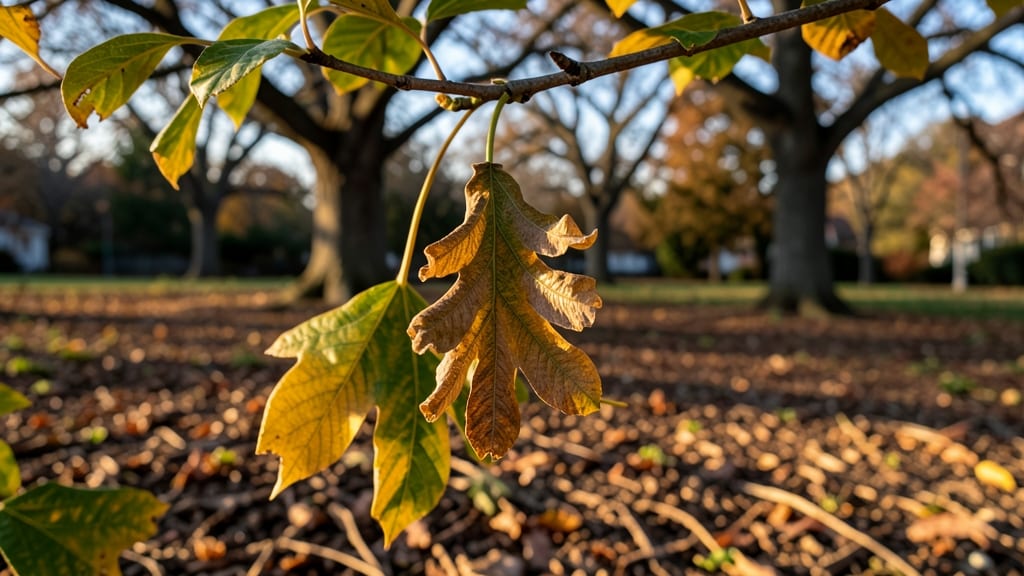
Growing a tulip tree from its dramatic seed pod is like unlocking nature’s secret to a fast-growing shade giant. 🌳 The moment you spot those football-shaped pods dangling in late summer, you’re holding the key to a tree that can shoot up 10 feet in a single season—if you play your cards right.
The trick starts with patience. You’ll need to let those pods ripen fully before harvesting, then crack them open to reveal the winged seeds inside. Skipping this step means wrestling with stubborn dormancy later.
Once you’ve got the seeds, soaking them in water for 24 hours breaks their natural resistance, giving you a head start on germination. By spring, you’ll watch those first leaves unfurl—bright green and eager—while most gardeners are still waiting for their slow-growing nursery trees to catch up.
The secret isn’t magic; it’s knowing when to plant them shallowly in well-draining soil and keep them consistently moist without drowning them. This method works best in zones 5-9, where tulip trees thrive naturally.
Even if you’re not in their native range, the fast growth makes them worth the extra care. Ready to grow your own towering shade provider?
📚 In This Guide
- What you need
- Instructions
- Tips and common mistakes
- Wrapping up and next steps
What you need
- ● Fresh tulip tree seed pods: 3–5 mature pods (harvested in late fall or winter; they should be brown and slightly papery).
- ● Sharp pruning shears or scissors: For carefully opening the pods without damaging the seeds.
- ● Paper towels or coffee filters: 2–3 sheets (for seed drying and stratification).
- ● Plastic zip-top bags: 1–2 quart-sized bags (for cold stratification).
- ● Potting soil: 1–2 gallons of well-draining, seed-starting mix (or a blend of peat moss and perlite).
- ● Seed-starting trays or small pots: 6–12 (3–4 inches deep) with drainage holes.
- ● Spray bottle with water: For gentle misting (avoid soaking the soil).
- ○ Plastic wrap or clear lid: To create a mini greenhouse effect (optional but helpful).
- ● Grow lights or sunny windowsill: A spot with indirect light (6+ hours/day) for seedlings.
- ● Labeling tags or markers: To track planting dates and seed varieties.
- ● Seed stratification setup: A refrigerator (for cold treatment) or outdoor cold frame (if you’re patient!).
- ● Fungicide (like hydrogen peroxide or cinnamon): To prevent mold if pods are damp.
- ● Heat mat: Speeds up germination for warm-weather starters (70–75°F ideal).
- ● Transplanting tools: Small trowel, gloves, and a watering can for moving saplings outdoors.
- ● Mulch (wood chips or straw): Protects young saplings from temperature swings once planted.
How to grow a tulip tree from seed pods
Here’s how to turn those giant, papery seed pods into sturdy saplings in record time—no nursery shortcuts needed.
🌱 Step 1: Harvest and Extract the Seeds
Collect seed pods when they turn brown and split open naturally, usually in late summer or fall. The pods are huge—up to 12 inches long—so wear gloves to protect your hands from the sharp edges. Split them open carefully with a knife, revealing winged seeds inside that look like tiny helicopters.
Remove the seeds and soak them in lukewarm water for 24 hours to soften the hard outer shell. This step is crucial—tulip tree seeds won’t germinate without breaking dormancy. After soaking, drain and let them dry slightly before planting. You’ll know they’re ready when the outer coating feels slightly softened but not mushy.
🪴 Step 2: Plant Seeds in a Controlled Environment
Fill a 4-inch deep container with well-draining potting mix—tulip trees hate soggy roots. Plant the seeds ½ inch deep, spacing them 2 inches apart to avoid overcrowding. Press the soil lightly around each seed to ensure good contact. Place the container in a warm, shaded spot (around 65-75°F) where indirect light filters through.
Keep the soil consistently moist but not waterlogged. A spray bottle works best to avoid disturbing the seeds. Germination can take 4-8 weeks, so patience is key. You’ll see the first sign of life when tiny green sprouts push through the soil—don’t rush to move them yet. Wait until they reach 2 inches tall before considering transplanting.
☀️ Step 3: Transition to Sunlight Gradually
Once seedlings have 3-4 leaves, they’re ready for brighter light. Move them to a south-facing window or under a grow light for 12-14 hours daily. Tulip trees grow fast once established, but they need time to adjust to full sun. You’ll notice the leaves darken and stems thicken as they adapt—this is a good sign.
By 6 months, your saplings should be 3-4 feet tall if given proper care. This is when they’re ready for their first outdoor planting in a permanent location with full sun. Choose a spot with well-draining soil and plenty of space—they’ll grow 40-70 feet tall in ideal conditions.
✂️ Step 4: Maintain Growth and Prune Strategically
Water deeply once a week during the first year, letting the soil dry slightly between waterings. Mulch around the base with 2-3 inches of organic material to retain moisture and regulate soil temperature. Prune in late winter or early spring to remove dead or crossing branches—this encourages a strong, upright growth habit.
Fertilize lightly in early spring with a balanced, slow-release fertilizer to support rapid growth. Tulip trees are drought-tolerant once established, but young saplings benefit from consistent moisture. Watch for signs of stress like yellowing leaves—this usually means overwatering or poor drainage. Adjust your care routine accordingly.
Tips & tricks for growing tulip tree saplings from seed pods
These little-known tricks will help you skip the nursery and grow your own towering tulip trees in no time.
Pod Handling: Those 12-inch seed pods are deceptively tough—wear heavy-duty gardening gloves when harvesting to protect your hands from the razor-sharp edges. I learned this the hard way after my first attempt left me with more scratches than seeds! After splitting open the pods, store the seeds in a paper bag in a cool, dry place until ready to plant. This prevents moisture buildup that could cause mold before you even begin.
Soaking Secret: The 24-hour lukewarm water soak is non-negotiable for breaking dormancy, but here's the trick: use distilled or rainwater if possible. Tap water's chlorine can stress the seeds. After soaking, pat them dry on paper towels—don't rub!—to avoid damaging the delicate winged structure that helps with germination. Think of it like preparing a seed for its first flight rather than a heavy landing.
Container Strategy: While the instructions call for a 4-inch deep container, I recommend using at least 6-inch pots for better root development. Tulip trees grow fast once established, and deeper containers prevent root binding. Add a handful of perlite to your potting mix to improve drainage—this is especially important since tulip trees hate soggy roots. The 2-inch spacing between seeds gives them room to grow without competing for nutrients during those critical first weeks.
Light Transition: That gradual move to 12-14 hours of daily light is where most people rush the process. Start with just 2 hours of morning sun after the initial 3-4 leaf stage, then gradually increase by 1 hour every 3-4 days. Watch for leaves that look pale or stretched—they're begging for more light! A simple grow light on a timer works wonders if natural sunlight is limited. Remember, these trees will eventually reach 70 feet tall, so we're just getting them ready for their future life in the sun.
Pro Tips for Tulip Tree Seed Pod
- These little-known tricks will help you skip the nursery and grow your own towering tulip trees in no time.
- Pod Handling: Those 12-inch seed pods are deceptively tough—wear heavy-duty gardening gloves when harvesting to protect your hands from the razor-sharp edges.
- Soaking Secret: The 24-hour lukewarm water soak is non-negotiable for breaking dormancy, but here's the trick: use distilled or rainwater if possible.
Frequently asked questions
Got questions about harvesting, growing, or troubleshooting tulip tree seed pods? You’re not alone! Here are some of the most common queries—and their answers—to help you navigate from pod to sapling like a pro.
When is the best time to collect tulip tree seed pods?
The ideal time to harvest Liriodendron tulipifera seed pods is late fall to early winter (November–January), when they turn brown and split open naturally. Wait until the pods are dry and brittle—never harvest green pods, as they won’t contain viable seeds. If pods are still closed, leave them on the tree for another 2–4 weeks.
How long does it take for tulip tree seeds to germinate?
Tulip tree seeds are notoriously slow to germinate, often taking 6–12 months (or even longer) under ideal conditions. Cold stratification (mimicking winter) is key—plant seeds in fall or refrigerate them in moist sand for 3–6 months before sowing. Patience is a virtue here!
Can I grow a tulip tree from a seed pod without cold stratification?
While possible, success rates drop dramatically without cold stratification. Seeds may sprout faster in warm soil, but they’ll likely be weak or fail entirely. For best results, stratify seeds (see above) or buy pre-stratified seeds from a nursery. If you’re impatient, consider grafting or planting a young sapling instead!
Why aren’t my tulip tree seeds sprouting? Troubleshooting tips.
If your seeds aren’t germinating, check these common issues:
- Improper stratification: Seeds need cold, moist conditions. Try burying them in a pot outdoors over winter.
- Old or damaged seeds: Tulip tree seeds lose viability quickly. Use fresh pods (current year’s harvest).
- Poor soil contact: Seeds need darkness to germinate. Plant them 1/4-inch deep, not buried too shallowly.
- Pests or rot: Ensure your soil is well-draining to avoid fungal issues.
How tall will a tulip tree grow from seed?
Tulip trees are fast growers when established! Seedlings can reach 3–6 feet in their first year with proper care, and mature trees typically grow 70–90 feet tall (with some exceeding 100 feet). For a head start, transplant saplings (3–5 feet tall) from a nursery—they’ll outpace seeds within a few years.
Wrapping up and next steps
The tulip tree seed pod is a natural treasure—packed with potential for growing a stunning, fast-growing sapling right in your yard! 🌱 From gathering pods to nurturing seedlings, every step is rewarding, whether you're a gardening newbie or a seasoned green thumb.
Your patience will soon bloom into towering shade trees that add beauty and value to your landscape.
Ready to take the next step? Start small: plant those seedlings in a sunny spot, keep them hydrated, and watch them thrive. Who knows? You might just grow the next generation of backyard giants! 🌳✨