
Blooming
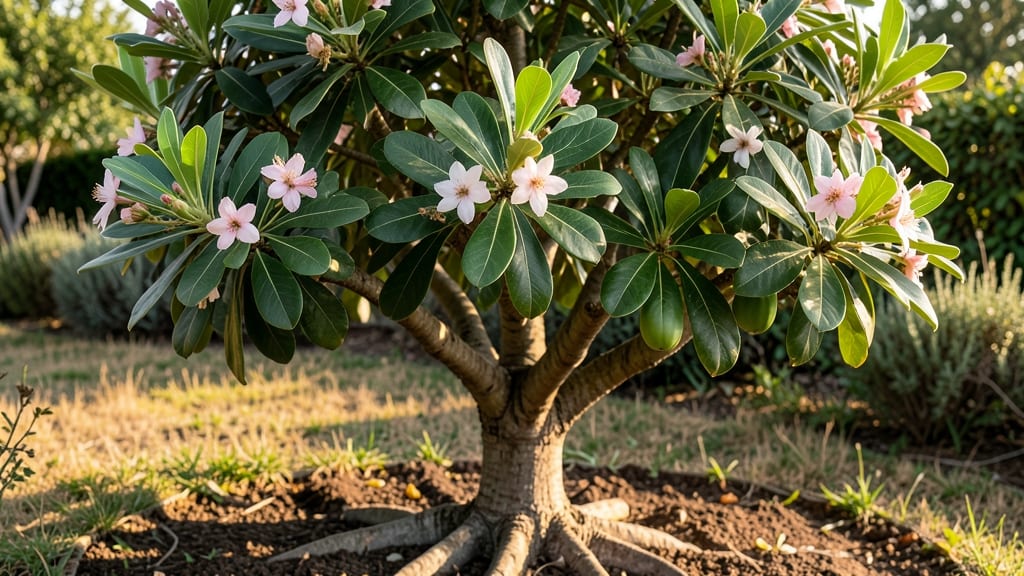
A guava tree blooms when the days grow warm and the air hums with spring’s promise—typically between late winter and early summer, depending on your climate zone.
Picture this: a pink canopy 🥝 that transforms your yard into a fragrant paradise, but only if you know the right timing. Miss the window, and your tree might skip flowering altogether—or worse, produce sparse blooms that never turn into fruit.
That’s why understanding your local climate’s rhythm is the key to unlocking your guava tree’s full potential.
In tropical regions like Florida or Hawaii, guava trees often bloom year-round, with peaks in spring and fall. But in cooler microclimates (like USDA Zone 9b), flowering usually kicks off in February or March, right as the last frost fades.
Even a few degrees can shift the schedule, which is why knowing your exact zone—and how to nudge nature along—makes all the difference.
Below, I’ll break down the exact bloom windows by region, plus pro tips to encourage heavier flowering, from pruning tricks to fertilizer hacks. Ready to turn your guava tree into a blooming superstar?
Guava tree bloom timeline by climate Zone: month-by-month breakdown
Guava trees (Psidium guajava) are stunning when they bloom, but their flowering timeline varies dramatically based on your climate zone.
In tropical regions like the Caribbean or Florida, blooms can appear year-round, while in USDA Zone 9b (like parts of California), they typically wait for warmer months. Understanding these patterns helps you anticipate—and even encourage—your tree’s pink floral display.
Temperature shifts trigger blooming: guavas need consistent warmth (70°F+) to set flowers. In cooler microclimates, a winter chill period (even mild) can delay blooms until late spring.
Meanwhile, tropical varieties may bloom twice yearly—once after rains and again in cooler months. Let’s break down the exact month-by-month windows for your region.
🌱 Key Insight: Guava trees in frost-free zones (Zones 10-11) bloom year-round with peaks, while those in Zone 9b rely on spring warmth to trigger flowers. Your local microclimate (urban heat islands, coastal breezes) can shift timelines by 2-4 weeks.
In tropical zones (10-11), guava trees often bloom twice yearly, with major peaks in January-March and September-October. This aligns with dry-to-wet season transitions, where increased humidity and warmer nights trigger floral buds.
For example, in Florida, you’ll see pink blossoms heavy in spring, while Caribbean trees may extend blooms into summer if rains are frequent.
For subtropical growers in Zone 9b (like Southern California), blooms are highly seasonal. Your tree typically waits until February-April when daytime temps hit 80°F+ and nights stay above 60°F.
A cool winter snap (below 50°F) can delay blooms until late spring. 🌡️ Pro Tip: Use a minimum-maximum thermometer near your tree to track these triggers.
If you’re in a coastal microclimate (like San Diego or Miami), expect blooms to arrive 1-2 weeks earlier than inland areas. Coastal breezes moderate temperatures, creating ideal conditions in March-May.
Meanwhile, urban heat islands (e.g., Phoenix) can push blooms into January or even July-August during heatwaves. 🌿 Watch for: New pink buds forming on young wood as temps rise.
Young guava trees (
How to induce early or late blooming in guava trees: proven techniques
Guava trees naturally bloom in late winter to early spring in cooler climates, but with the right techniques, you can shift this cycle to match your needs. Whether you want earlier fruit production or delayed flowering to avoid frost, these methods will help.
The key lies in manipulating light exposure, water stress, and nutrient triggers—all while avoiding common pitfalls like over-pruning.
For early blooming, focus on creating a winter chill shock followed by warm conditions. This mimics the natural transition from dormancy to growth. In contrast, late blooming requires delaying stress signals until later in the season.
Urban gardeners may face unique challenges due to microclimates, while rural growers can leverage larger temperature swings to their advantage.
Start with pruning strategies to control flowering time. For early blooms, prune lightly in late winter (January-February) to remove old, dense branches and encourage new growth. This stimulates flower buds to form sooner.
Conversely, for delayed blooming, prune heavily in early spring (March-April) to push back flowering until summer. Avoid severe pruning in fall, as this can shock the tree and disrupt its natural cycle.
Water management plays a critical role. Reduce watering 4-6 weeks before your target bloom time to create mild drought stress. This trick signals the tree to prioritize reproductive growth over foliage. For example, if you want summer blooms, taper watering in late spring.
Conversely, increase watering during cooler months to delay flowering. Urban trees in containers dry out faster, so monitor soil moisture closely with a moisture meter.
Fertilizer timing and ratios are game-changers. Use a high-phosphorus fertilizer (e.g., 10-20-10) 2-3 months before your desired bloom time to promote flower bud formation. Phosphorus encourages root and flower development, while potassium (e.g., 6-6-6) supports overall tree health.
Avoid high-nitrogen fertilizers during this period, as they promote leafy growth at the expense of blooms. Apply fertilizers in early morning to prevent leaf burn from midday heat.
Microclimate adjustments can also shift blooming times. In urban settings, use reflective surfaces (like white walls) to increase light exposure and warm the tree’s environment. For rural growers, plant near heat-absorbing materials (e.g., dark mulch or gravel) to create a warmer microclimate.
In cooler zones, consider row covers or windbreaks to protect young flowers from late frosts. Always monitor your tree’s response and adjust techniques incrementally to avoid stress.
✂️ Remember: Over-pruning can permanently stunt blooming by removing too many flower-producing branches. Limit pruning to 20-30% of the canopy per session, and always use sterilized tools to prevent disease. With patience and precision, you’ll unlock your guava tree’s full potential—whether that’s earlier fruit or a delayed, extended bloom season.