
Plants
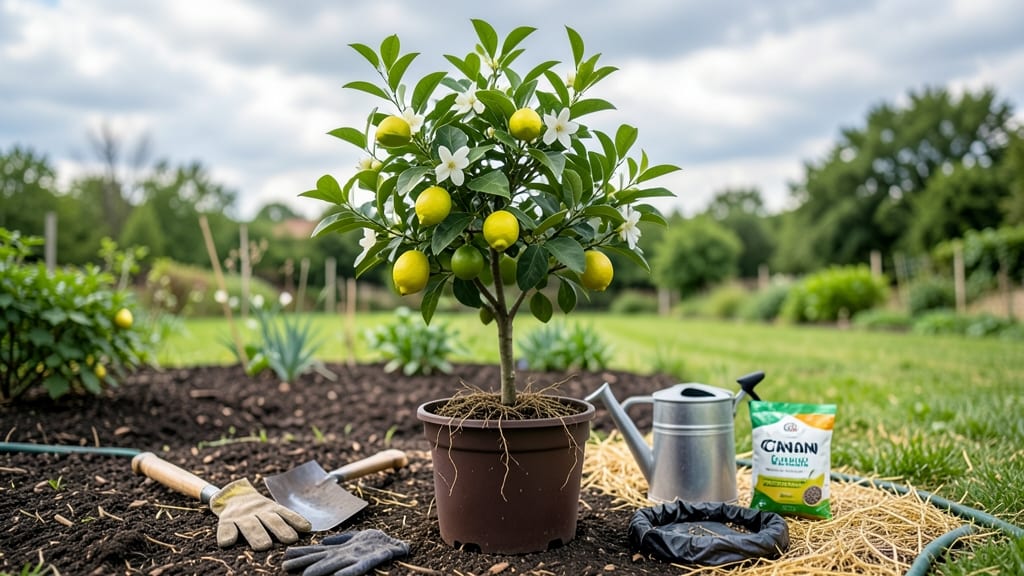
Planting a lemon tree in Louisiana means timing it right to avoid frost damage and maximize growth—aim for late February to early April when the soil warms up.
Louisiana’s warm climate makes it a paradise for growing lemon trees—but planting at the wrong time can mean stunted growth or even death from unexpected cold snaps. Timing is everything for thriving citrus in the Bayou State.
Most gardeners in USDA Zones 8a-9b can start as early as February, but cooler pockets like North Louisiana may need to wait until March or April. The key is watching soil temperatures and avoiding late frosts, which can still hit in early spring.
Below, I’ll break down the best months by region, soil prep tips, and whether container growing is a good option for cooler areas—so you can get your 🍋 tree off to the strongest start.
Best months to plant lemon trees in Louisiana’s climate zones
Louisiana’s USDA zones 8a-9b create perfect conditions for lemon trees, but timing your planting is critical. The state’s mild winters and hot summers mean frost risks vary dramatically between zones.
In zone 8a, late frosts can still occur in March, while zone 9b gardeners rarely face freezing temperatures. Understanding these differences ensures your citrus thrives from the start.
For most of Louisiana, the ideal planting window spans from mid-February to early April, but zone-specific adjustments are essential.
In cooler northern areas (8a), wait until after the last frost date—typically mid-March—while southern regions (9a-9b) can plant as early as late January when soil temperatures reach 60°F+. This timing aligns with when citrus roots can establish without stress from cold snaps.
The soil temperature is your best indicator—lemon trees need warm soil (65°F+) to prevent root shock. In Louisiana, this usually happens by late February in southern zones and early April in northern zones.
Use a soil thermometer to verify before planting, as cool soil can stunt growth for months. Container-grown trees adapt slightly better to cooler soil but still require warmth for optimal root development.
Here’s how Louisiana’s microclimates affect your planting schedule:
| USDA Zone | Best Planting Window | Soil Temp Requirement | Frost Risk | Key Consideration |
|---|---|---|---|---|
| 8a (N. LA) | Mid-March to early April | 65°F+ (soil) | Late frosts possible | Wait for stable 60°F nights |
| 8b (Central LA) | Late Feb to mid-April | 60°F+ (soil) | Minimal frost risk | Can plant earlier with protection |
| 9a (S. LA) | Late Jan to March | 55°F+ (soil) | Rare frost events | Ideal for container growing |
| 9b (Southeast LA) | Late Jan to early April | 50°F+ (soil) | Frost-free year-round | Best for outdoor planting |
If you’re in zone 8a, prioritize container planting for extra flexibility—you can move potted trees indoors during unexpected cold snaps (below 32°F). In warmer zones (9a-9b), in-ground planting is ideal, but always choose a well-draining location to prevent root rot.
Louisiana’s clay-heavy soils often need amendments like compost or sand to improve drainage.
For dwarf varieties (like Meyer lemons), you can push the planting window slightly earlier in zone 9a-9b since they establish faster. However, avoid planting after May in any zone—summer heat can stress young trees before they’ve built root systems.
If you miss the spring window, fall planting (September-October) is your second-best option, but ensure soil stays warm enough for root growth.
Pro tip: Mulch heavily after planting to maintain soil warmth and moisture. Use 3-4 inches of organic mulch (like pine straw or wood chips) and keep it 6 inches away from the trunk to prevent rot.
This is especially critical in zone 8a where nighttime temperatures can still dip into the 40s°F range even in spring.
Remember that lemon trees hate soggy roots, so always plant on a slightly elevated mound if your yard has poor drainage. In Louisiana’s humid climate, air circulation is just as important as water—space trees 15-20 feet apart to prevent fungal diseases like citrus canker.
With the right timing and care, your lemon tree will reward you with homegrown fruit in 2-3 years—a true taste of Louisiana’s citrus paradise.
🍋🌱🌡️
Critical factors that determine your planting timeline
Planting a lemon tree in Louisiana isn’t just about picking a month—it’s about understanding soil conditions, humidity impacts, and whether you’re planting in-ground or in containers.
These factors can shift your ideal timeline by weeks, especially when dealing with citrus trees that are sensitive to root stress and temperature fluctuations.
For example, Louisiana’s high humidity can accelerate soil moisture loss, while our occasional cold snaps (even in USDA Zone 9) demand careful timing. If you plant too early, your lemon tree may struggle to establish roots before summer heat sets in.
Too late, and it might not harden off before winter’s chill.
Key Factors to Consider Before Planting
- 1. Soil Temperature: Wait until soil reaches 60°F+ (use a soil thermometer). In Louisiana, this typically means March-April for in-ground planting.
- 2. Container vs. In-Ground: Containers warm faster—plant 2-4 weeks earlier than in-ground. Use well-draining pots with 10+ inches depth.
- 3. Humidity & Root Health: Louisiana’s humidity increases fungal risks. Add sand or perlite to soil for aeration and mulch heavily to retain moisture.
- 4. Frost Protection: Even in Zone 9, late frosts can occur. Plant dwarf varieties or use protective covers if planting in November.
- 5. Root Establishment Window: Lemon trees need 6-8 weeks to establish roots before summer’s peak heat. Plan accordingly!
Another critical factor is soil preparation. Louisiana’s clay-heavy soils can suffocate citrus roots if not amended. I always mix in compost and sand to improve drainage—citrus trees hate soggy feet! For container growing, use a 50/50 blend of potting mix and perlite to mimic ideal conditions.
Louisiana’s humidity levels also play a role in your timeline. High moisture can lead to root rot if drainage isn’t perfect. That’s why I recommend adding a 2-inch layer of gravel at the bottom of planting holes or containers.
This creates a buffer zone that keeps roots dry while still allowing water to penetrate.
If you’re in northern Louisiana (Zone 8), consider planting in containers for extra mobility. You can move them indoors or under cover during unexpected cold snaps. For southern Louisiana (Zone 9), in-ground planting is safer, but still monitor soil temperatures closely—below 55°F can stunt root growth.
Finally, don’t forget that citrus trees need time to acclimate. After planting, avoid heavy watering for the first 7-10 days to let roots establish. Once established, water deeply 2-3 times per week during Louisiana’s hot summers.
With these factors in mind, you’ll set your lemon tree up for success year-round! 🍋🌱