
Plants
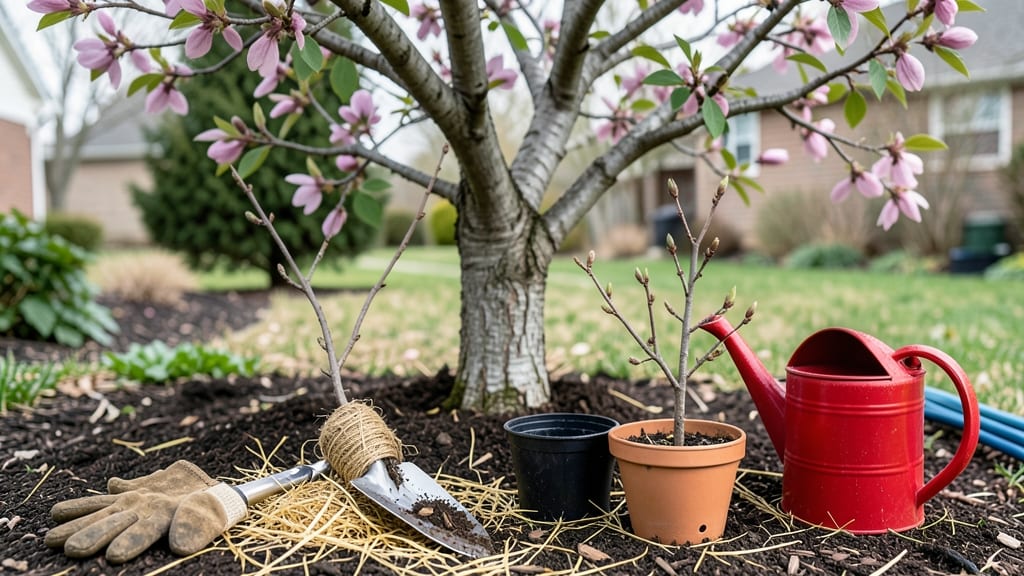
Planting a redbud tree 🌳 in Texas during the right window means the difference between a thriving shade tree and one that wilts before it ever blooms.
Timing is everything when planting redbud trees in Texas—get it wrong, and your tree may struggle to take root before scorching summer heat sets in. But plant at the perfect moment, and you’ll unlock vibrant spring blooms and a thriving landscape staple for years to come.
In zones 8a-10b, the best months for fast root establishment are November through February, when cooler temperatures and moist soil give young roots the head start they need. This avoids the stress of late spring planting, when summer’s intensity can overwhelm newly transplanted trees.
Below, I break down the exact planting windows by region—from North Texas’s last frost dates to the Gulf Coast’s milder winters—and share soil prep tips to ensure your redbud tree grows strong and fast.
Best planting months for redbud trees in Texas by region
Texas' diverse climate means one planting window doesn't fit all. Whether you're in Dallas' chilly winters or Houston's humid summers, timing your redbud tree planting correctly ensures strong root growth before extreme heat arrives.
The key is planting when soil temperatures stay above 50°F (10°C) but before summer's brutal 100°F+ (38°C+) temperatures.
Redbuds thrive when planted during cooler months when rainfall is more consistent. In North Texas, this means late fall through early spring, while South Texas gardeners have a slightly extended window due to milder winters.
The goal is to give your tree 3-4 months of root establishment before summer's stress begins.
Soil temperature is your best indicator. Aim for 60-70°F (15-21°C) soil temps at planting time—this happens naturally in November-February across most of Texas. Using a soil thermometer ensures you're planting at the optimal time, especially if you're in a transition zone like Austin.
For North Texas gardeners, the November 1 start date aligns with when daytime highs drop below 75°F (24°C). This gives your redbud 4 months of cooler weather to establish roots before summer arrives.
In Dallas/Fort Worth, the last average frost occurs around February 15, making this the absolute deadline for spring planting.
Central Texas offers a slightly longer window due to its milder winters. Planting from October 15 gives your tree time to root before January's occasional frosts. The Hill Country microclimate may experience 10°F (-12°C) dips, so protect young trees with burlap wraps if planting in late fall.
South Texas gardeners enjoy the most flexibility with a September 15 start. The humid subtropical climate means soil stays warm longer, but avoid planting after February 28 when temperatures begin climbing toward 90°F (32°C). The Gulf Coast's high humidity can actually help maintain soil moisture during establishment.
One critical mistake Texas gardeners make is planting in late spring. While it might seem like a good idea to get trees in the ground before summer, May-June plantings often result in root shock when summer heat arrives.
Always prioritize root establishment over quick planting—your redbud will thank you with vibrant spring blooms for years.
Pro tip: Mulch heavily (3-4 inches) after planting to retain moisture and regulate soil temperature. In North Texas, use pine straw mulch; in Central and South Texas, hardwood mulch works better to prevent fungal issues.
Water deeply twice weekly for the first month, then taper to weekly deep waterings once established.
Remember, redbud trees are deciduous and enter dormancy in winter. Planting in fall takes advantage of this natural cycle, allowing roots to grow while the tree focuses energy on above-ground growth in spring. This two-season advantage is why fall planting
How to prepare your Texas soil for redbud tree success
Texas soil can be a double-edged sword for your redbud tree—rich in nutrients but often heavy with clay that bakes hard under summer sun. Without proper prep, your tree’s roots may suffocate or dry out before they even establish.
The key? Balancing drainage, adjusting pH, and adding organic matter to create the perfect foundation for fast root growth.
Redbuds thrive in well-draining, slightly acidic soil with a pH between 6.0 and 7.0. Most Texas native soils lean alkaline (pH 7.5+), which can lock out essential nutrients like iron and phosphorus. Testing your soil first saves time—and money—by revealing exactly what amendments your redbud tree needs to thrive.
📋 STYLED LIST: Essential Soil Prep Steps for Texas Redbuds
- 🔍 Test Soil pH – Use a digital pH meter or send a sample to your local AgriLife Extension office. Aim for 6.0–7.0.
- 🚜 Break Up Clay – Rent a rototiller or use a broadfork to loosen the top 12–18 inches of soil.
- 🌿 Add Organic Matter – Mix in 3–4 inches of compost or well-rotted manure to improve structure and moisture retention.
- ⚠️ Avoid Fresh Mulch – Use aged compost only; fresh mulch can mat down and suffocate roots.
- 💧 Improve Drainage – If your soil feels sticky when wet, blend in sand or perlite (20% of the mix max) to prevent waterlogging.
For clay-heavy soils, consider planting your redbud in a raised bed or mound of amended soil. This elevates roots above the dense clay layer while still allowing them to access moisture from the surrounding native soil. Just ensure the bed has drainage holes if using containers.
Once your soil is prepped, avoid compacting it around the root ball when planting. Gently loosen the edges of the hole with your hands or a hand trowel to encourage roots to spread outward. Water deeply after planting to eliminate air pockets and settle the soil around roots.
After planting, top the soil with 2–3 inches of mulch (like pine straw or shredded bark) to retain moisture and regulate soil temperature. Replenish mulch annually, but keep it 6 inches away from the trunk to prevent rot.
With the right soil prep, your redbud tree will establish roots 30–50% faster in Texas’ challenging climate—setting the stage for vibrant spring blooms and decades of shade. 🌳