
Pruning
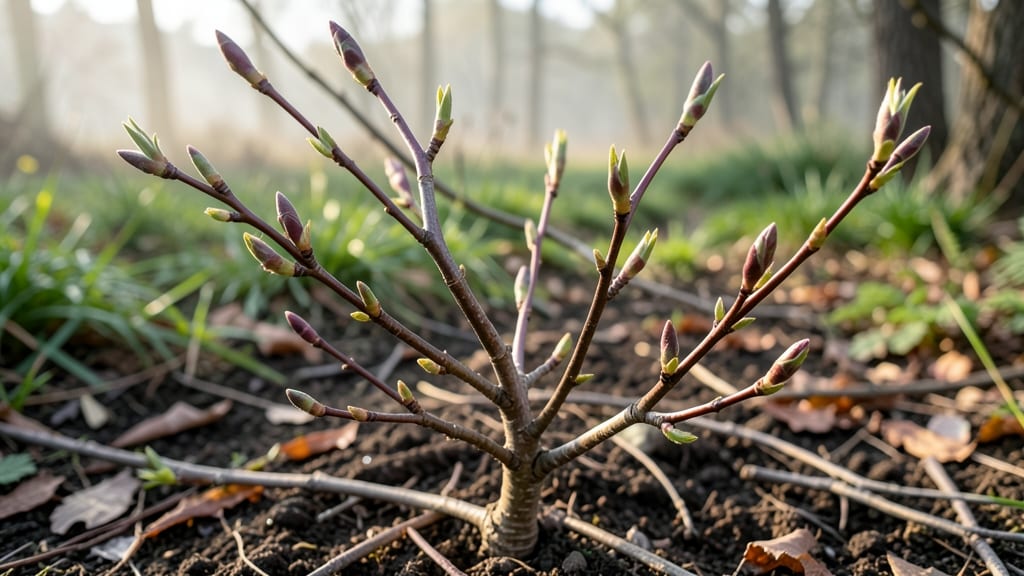
Willow tree buds are nature’s promise of spring growth—if you know how to protect them. 🌿 I’ve pruned willows for years, and the difference between a thriving tree and a struggling one often comes down to timing and technique when those fat, fuzzy buds first appear.
Those buds form in late summer, then wait through winter’s chill before bursting in early spring. The key is pruning after they’ve swollen but before they open—usually in late winter or early spring, depending on your zone.
Cut too early, and you risk frost damage; wait too long, and you’ll stunt new growth.
With the right cuts, your willow will reward you with dense, vibrant foliage by summer and long, graceful branches by fall. The secret? Prune at a 45-degree angle just above a bud, and avoid heavy pruning in fall—it stresses the tree when it’s already preparing for dormancy.
Even experienced gardeners make mistakes here—like pruning willow branches too aggressively, which leads to weak regrowth. We’ll cover the exact tools, timing, and techniques to keep your tree healthy year after year, so you get that willow’s signature beauty without the struggle.
📚 In This Guide
- What you need
- Instructions
- Tips and common mistakes
- Wrapping up and next steps
What you need
- ● Pruning shears: Bypass pruners (sharp, clean, and disinfected—think blank">Felco F-2 or blank">Gonicc T-203 for precision).
- ● Loppers: For thicker branches (1.5"–2" cutting capacity), like blank">Fiskars X27.
- ● Pruning saw: Curved-tooth saw (e.g., blank">Bahco Laplander) for branches >2" in diameter.
- ● Gloves: Heavy-duty, cut-resistant gloves (e.g., blank">Wolverine Tough) to protect from thorns and sap.
- ● Disinfectant: 70% isopropyl alcohol or blank">copper-based pruning spray (1 part bleach to 9 parts water) to prevent disease.
- ○ Pruning sealant: Optional but helpful for large cuts (e.g., blank">Tanglefoot Tree Wound Pruning Sealer).
- ● Ladder or extension pole: Sturdy, tall enough to reach buds safely (e.g., blank">Little Giant 24-Ft. Ladder).
- ● Safety gear: Goggles (to shield from debris) and long sleeves/pants (willow sap can irritate skin!).
- ● Best timing: Prune willow buds in late winter/early spring (before buds swell) or summer (after flowering). Avoid pruning in fall—it encourages disease!
- ● Weather check: Choose a dry, calm day (no rain for 24–48 hours post-pruning).
- ● Tree health assessment: Inspect for dead/diseased branches (remove first!) or pests (e.g., willow borers).
- ● Tools sharpened & sanitized: Dull tools crush buds—hone blades before starting! Wipe down with disinfectant.
- ● 🔥 Mark your cuts: Use chalk or tape to outline where you’ll prune—helps avoid over-trimming!
- ● 🌡️ Work in layers: Remove 1/3 of the canopy max per year to avoid stressing the tree.
- ● ✨ Clean as you go: Wipe tools on a rag soaked in disinfectant between cuts to prevent spreading sap/sap-sucking pests.
Step-by-step guide to pruning willow tree buds
Pruning willow trees at the right time keeps them healthy and encourages lush, year-round growth.
✂️ Step 1: Identify the Best Time to Prune
Willow trees respond best to pruning during their dormant season, which runs from late fall to early spring—typically November through March. This timing prevents heavy sap flow and reduces stress on the tree. Avoid pruning during summer heat or winter freezes, as both extremes can shock the tree.
Look for bare branches and buds that haven’t yet swollen—these are your cues that the tree is dormant. If you see fresh green leaves or active sap bleeding, wait until the next dormant season. Pruning at the right time ensures the tree directs energy into new growth rather than healing wounds.
✂️ Step 2: Gather the Right Tools and Safety Gear
Use sharp, clean pruning shears for small branches and a pruning saw for thicker stems over ½ inch in diameter. Dull tools crush branches, leaving jagged cuts that invite disease. Sterilize your tools with rubbing alcohol before and after pruning to prevent spreading fungal infections.
Wear thick gloves—willow branches are brittle and can snap back unexpectedly, causing scratches. Safety glasses protect your eyes from flying debris, especially when cutting larger branches. If your tree is near power lines, call your utility company first; willow branches can grow surprisingly fast and become hazardous.
✂️ Step 3: Remove Dead, Diseased, or Weak Branches First
Start by scanning the tree for dead wood (branches that are brittle, gray, or snap easily when bent) and diseased branches (those with black spots, oozing sap, or unusual discoloration). Cut these out completely at the branch collar, the swollen area where the branch meets the trunk. Never leave stubs—this invites rot and pests.
Next, remove crossing branches or those growing inward, as they rub against each other and create wounds. Thin out crowded areas to improve airflow, which reduces humidity and fungal risks. Step back occasionally to visualize the tree’s shape—you’re aiming for an open, balanced canopy that lets light reach all branches.
✂️ Step 4: Shape the Tree for Optimal Growth
Willow trees naturally grow long, flexible branches, so prune to encourage a strong, upright structure. Focus on reducing length rather than removing entire branches—cut back to a bud or lateral branch to promote new growth. Avoid cutting into the main trunk, as willows are sensitive to large wounds and may not heal well.
For a more compact shape, trim the outer tips of branches by ⅓ of their length. This stimulates bushier growth while keeping the tree manageable. If you’re pruning a young willow, prioritize removing water sprouts (fast-growing, vertical shoots) to direct energy into stronger, horizontal branches. Always make cuts at a 45-degree angle just above a bud facing outward.
⏰ Step 5: Clean Up and Monitor for Recovery
After pruning, collect and dispose of all cuttings—willow branches can root easily if left on the ground, leading to unwanted suckers. Sterilize your tools again to prevent cross-contamination between trees. Water the base of the tree deeply if the soil is dry, but avoid overwatering, as willows prefer moist but well-drained soil.
Watch for new buds swelling within 2-4 weeks—this is your sign the tree is recovering well. If you notice yellowing leaves, wilting, or excessive sap, you may have pruned too aggressively. In that case, reduce watering slightly and avoid further pruning until the tree shows signs of regrowth. With proper care, your willow will reward you with vibrant, healthy buds year after year.
Tips & tricks for pruning willow tree buds
These simple strategies will help you prune your willow tree like a pro while keeping it thriving for years.
Timing is Everything: The November through March dormant season window is non-negotiable for willows. I once pruned in late April and watched my tree struggle for two growing seasons—don't make my mistake! If you're in a mild climate, aim for late winter when buds still look dormant. The key visual cue is those unswollen buds and bare branches that tell you the tree's energy is stored, not actively growing.
Tool Prep Matters: Sterilizing your pruning shears with rubbing alcohol before and after each cut isn't just cleanliness—it's disease prevention. I learned this after my first willow pruning session left me with a fungal infection on my tools that spread to three other trees. Use a small spray bottle with 70% isopropyl alcohol for quick sterilization between cuts, especially when moving from diseased branches to healthy ones.
Shape with Purpose: When reducing branch length in Step 4, focus on creating that 45-degree angle just above an outward-facing bud. This isn't just aesthetic—it directs the tree's growth pattern. I've seen willows develop awkward growth when cuts were made at random angles. Think of each cut as a growth instruction to the tree rather than just trimming. The goal is to maintain that open canopy while encouraging upward growth.
Recovery Watch: Those 2-4 weeks for new buds to swell are your progress report. If you don't see swelling after 4 weeks, you may have pruned too aggressively. I once over-pruned a young willow and had to wait an entire year before attempting any shaping again. When in doubt, err on the side of caution—willows are resilient but not invincible.
Pro Tips for Willow Tree Buds
- These simple strategies will help you prune your willow tree like a pro while keeping it thriving for years.
- Timing is Everything: The November through March dormant season window is non-negotiable for willows.
- Tool Prep Matters: Sterilizing your pruning shears with rubbing alcohol before and after each cut isn't just cleanliness—it's disease prevention.
Frequently asked questions
Got questions about harvesting, timing, or caring for willow tree buds? You’re not alone! Here are some of the most common queries—plus straightforward answers to keep your willow thriving.
When is the best time to harvest willow tree buds for pruning?
The ideal time to harvest willow buds is late winter to early spring (just before new growth starts, around February–March in most climates). This timing ensures you’re pruning dormant wood while still allowing the tree to recover before summer heat. Avoid harvesting in fall or summer, as this can stress the tree and reduce next year’s growth.
How often should I prune willow tree buds for optimal growth?
Willow trees are fast-growing but benefit from annual light pruning in late winter. For established trees, remove 10–20% of the oldest branches to encourage new, vigorous growth. Over-pruning (cutting more than 30% of foliage) can weaken the tree, so prioritize shape and health over aggressive trimming.
What should I do if my willow tree buds turn brown or die after pruning?
Brown or dead buds are often a sign of over-pruning, disease, or environmental stress. First, check for signs of fungal issues (like black spots) or pest damage. If the tree is otherwise healthy, thin out the dead branches and fertilize lightly in spring. Avoid pruning during wet conditions, as this can invite rot.
Can I use willow tree buds for crafts or medicinal purposes?
Willow buds (and bark) are rich in salicin, a natural compound similar to aspirin. You can harvest them for tea, tinctures, or even woven crafts (like baskets). Just ensure you’re not over-harvesting—leave at least 50% of the buds on the tree to maintain its health. Always research proper preparation methods for medicinal use.
Are there alternatives to willow tree buds for pruning young trees?
If you’re working with a young willow and want to minimize stress, focus on structural pruning instead of bud removal. Trim only water sprouts (vertical shoots) and crossing branches to improve airflow and shape. For medicinal or crafting needs, consider blackberry canes or elderberry branches as eco-friendly substitutes.
Wrapping up and next steps
From understanding the best time to prune your willow tree buds to mastering the tools and techniques for a clean cut, you’re now equipped to nurture a thriving, healthy tree year-round! 🌿 Remember, patience and precision are key—every trim helps shape your willow’s future growth.
Ready to take the next step?
🌱 Your Action Plan:
- Schedule your first pruning session—whether it’s winter dormancy or early spring, act now!
- Monitor your tree’s response—adjust your approach based on new buds and foliage.
- Share your progress! Snap photos and celebrate the transformation with fellow gardening enthusiasts.
Happy pruning—your willow tree will thank you with vibrant, lush growth for seasons to come! ✨