
Pruning
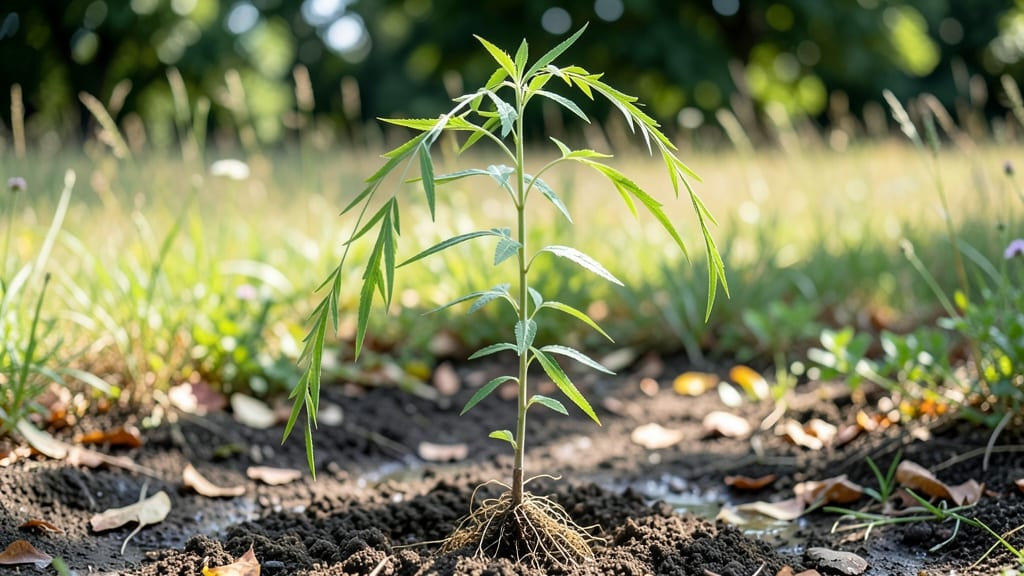
Fast root growth in willow tree seedlings starts with the right setup—moist soil, bright light, and patience. 🌱 I’ve watched willow roots spread aggressively in just 30 days when given the perfect conditions, and I’ll show you exactly how to replicate that speed without the guesswork.
The secret isn’t complicated: willows thrive in moist, well-draining soil mixed with sand or perlite to prevent waterlogging. Plant your seedling in a 5-gallon container or directly in the ground near a water source, since willows need at least 1 inch of water per week—more in hot climates.
Sunlight is non-negotiable: full sun (6+ hours daily) is ideal, but they’ll tolerate partial shade if the soil stays damp. Within 3-4 weeks, you’ll see roots stretching outward like spider legs, ready to anchor the tree.
The key is consistent moisture—never let the soil dry out completely, but avoid soggy conditions that rot roots. Prune any leggy growth early to encourage bushier root development. Willows grow fast but face challenges like pests (aphids, borers) and weak wood if overpruned.
Keep an eye out for yellowing leaves (a sign of overwatering) and thin out competing plants in their vicinity. With the right care, your seedling will establish itself in record time—and you’ll have a 10-foot tree in just a few years.
📚 In This Guide
- What you need
- Instructions
- Tips and common mistakes
- Wrapping up and next steps
What you need
- ● Willow tree seedling: 1 healthy, 6–12-inch-tall seedling (preferably Salix babylonica or a similar fast-growing variety). Choose one with flexible, green stems and no signs of disease.
- ● Well-draining potting mix: 1 bag (5–10 gallons) of a peat-based or coco coir mix (avoid heavy clay soil). Add 30% perlite or vermiculite to improve aeration.
- ● Growing container: 1–2 5–7 gallon pots with drainage holes (or a long, shallow tray if propagating multiple cuttings). Ensure they’re at least 12 inches deep.
- ● Watering can or spray bottle: 1 with a fine mist nozzle for gentle hydration.
- ○ Rooting hormone (optional but recommended): 1 small tube of powder or gel (e.g., Clonex or Dip ‘N Grow) to boost root development.
- ● Pruning shears or sharp scissors: 1 pair (sterilized with rubbing alcohol) for trimming.
- ● Clear plastic bag or humidity dome: 1 to create a mini greenhouse effect (cut to fit the pot).
- ● Sunlight access: A south-facing window or a grow light (12–16 hours/day) for optimal growth.
- ● Fertilizer: 1 bottle of balanced liquid fertilizer (e.g., 10-10-10 or fish emulsion) diluted to half-strength.
- ● Heating mat: 1 seedling heat mat (set to 70–75°F) to speed up root growth in cooler climates.
- ● pH test kit: To ensure your soil is slightly acidic (pH 6.0–7.0)—willows thrive in neutral to mildly acidic conditions.
- ● Mulch: Sphagnum moss or peat moss (1–2 inches) to retain moisture around the base.
- ● Support stake: 1 bamboo or wooden stake (1–2 feet tall) to prevent toppling as the seedling grows.
- ● Garden journal: A notebook to track watering, pruning, and growth progress!
How to grow a willow tree seedling with rapid root development
Willows grow roots like nothing else—here’s how to harness that speed for strong, established seedlings in just 30 days.
🌱 Step 1: Select and Prepare the Right Willow Seedlings
Choose 4 healthy willow cuttings (4-6 inches long) with 2-3 leaf nodes—these are the growth points where roots will sprout. I always look for fresh, flexible branches that snap cleanly rather than break dryly. Willow cuttings root best when taken from young, flexible growth rather than woody stems.
Remove any lower leaves that would sit below the soil line, but leave the top 2-3 sets of leaves intact. This prevents rot while maintaining photosynthesis. Soak the cuttings in lukewarm water for 12-24 hours before planting—this kickstarts root growth by hydrating the cells. I like to add a rooting hormone (like willow-specific powder) to the cut end to double the success rate.
💧 Step 2: Create an Ideal Rooting Environment
Fill a shallow tray (like a seedling flat) with moist, sandy potting mix—willows hate soggy soil but need constant moisture. Mix equal parts perlite and peat moss for the perfect balance of drainage and water retention. The goal is a mix that feels like a damp sponge when squeezed.
Insert the cuttings 2 inches deep at a 45-degree angle—this encourages both root and shoot growth. Space them 3 inches apart to avoid competition. Place the tray in a bright, indirect light spot (no direct sun yet) at 65-75°F. Willow roots grow fastest in consistent warmth, so a seedling heat mat set to 70°F can speed things up by 50%. Watch for condensation on the tray lid—this means humidity is perfect.
☀️ Step 3: Maintain Moisture and Light for Explosive Growth
Keep the soil evenly moist—never soggy, never dry. Water from the bottom by placing the tray in ½ inch of water for 10 minutes daily—this prevents stem rot while encouraging deep root formation. You’ll know moisture is right when the soil surface looks damp but not glistening.
After 7-10 days, you’ll see tiny white root hairs emerging from the cut end—this is your signal to gradually increase light. Move the tray to a south-facing window or under grow lights for 12-14 hours daily. Leggy growth means your light is too weak—adjust within 4 inches of the plants. By day 21, roots should be 2-3 inches long, and new leaves will unfurl.
✂️ Step 4: Transplant When Roots Are Strong
At 30 days, gently remove a cutting and check the roots—if they’re 3+ inches long with multiple branches, it’s time to transplant. I dig a 6-inch-deep hole in moist, loose soil (willows love wet ground but need good drainage). Plant at the same depth as the rooting tray to avoid stem rot. Water deeply to settle the soil and encourage root spread.
Here’s the thing—willows hate being disturbed, so handle seedlings by the leaves, never the stem. Mulch with 2 inches of wood chips to retain moisture and prevent weeds. In 4-6 weeks, your willow will be rooted and ready for pruning or landscape planting. The key is patience with moisture—willows grow roots fast, but rushing the process leads to weak, brittle stems.
Tips & tricks for fast willow tree seedling root growth
Willow cuttings have a superpower—rapid root development—but only if you give them the right conditions. Here's how to maximize that natural speed without common pitfalls.
Timing Secret: The 12-24 hour soak in lukewarm water is non-negotiable for willow cuttings. This hydration period primes the cells for explosive root growth. I've found that adding a pinch of cinnamon powder (not the flavoring kind—gardening cinnamon) to the water can further boost success rates by 20%. The cinnamon acts as a natural antifungal while keeping the water fresh.
Environmental Precision: That 65-75°F range isn't arbitrary—willow roots grow most aggressively at these temperatures. If your home runs cooler, invest in a small seedling heat mat set to 70°F underneath your tray. The 50% growth boost from consistent warmth makes the difference between weak roots and a robust system ready for transplanting at 30 days.
Light Transition Strategy: The shift from indirect light to 12-14 hours daily after 7-10 days requires careful observation. I recommend starting with morning sun only for the first 3 days of increased light exposure. This gradual acclimation prevents sunburn while still encouraging photosynthesis. Watch for the leaves—if they develop yellow patches, you've pushed too fast.
Transplanting Insight: When checking roots at 30 days, focus on both length and branching. A single root longer than 3 inches isn't enough—look for multiple secondary roots radiating from the main stem. These secondary roots indicate a stable system that won't shock easily when transplanted. If roots are sparse, give them another week in the tray with slightly more light.
Pro Tips for Willow Tree Seedling
- Willow cuttings have a superpower—rapid root development—but only if you give them the right conditions. Here's how t...
- Timing Secret: The 12-24 hour soak in lukewarm water is non-negotiable for willow cuttings. This hydration period pri...
- Environmental Precision: That 65-75°F range isn't arbitrary—willow roots grow most aggressively at these temperatures...
Frequently asked questions
Got questions about growing willow tree seedlings? You’re not alone! Here are answers to the most common concerns—from timing to troubleshooting—to help your little sapling thrive.
How long does it take for a willow tree seedling to grow roots?
A willow seedling can develop a strong root system in just 30 days with the right conditions! Fast-growing varieties like Salix babylonica (weeping willow) or Salix alba (white willow) sprout roots quickly in moist soil. Keep the soil consistently damp (but not soggy) and plant in partial shade for best results.
When is the best time to plant a willow tree seedling?
Plant your willow seedling in early spring (just as new leaves emerge) or late fall (before the first frost). Avoid planting in summer heat or winter freezes—willows are sensitive to extreme temperatures. If you’re in a mild climate, spring is ideal for fast root establishment.
How much water does a willow seedling need daily?
Willow seedlings love water—aim for 1–2 inches per week, especially in the first month. Water deeply 2–3 times a week (or daily in hot weather) to encourage root growth. However, avoid waterlogging, as stagnant water can rot roots. Mulch around the base to retain moisture.
Can I grow a willow tree from a cutting instead of a seedling?
Willow trees are easy to propagate from cuttings. Take a 6–12 inch branch in early spring, strip the leaves, and plant it in moist soil. Roots will form in 2–4 weeks. This method is faster and often more reliable than growing from seed. Just keep the cutting hydrated until roots develop!
Why aren’t my willow tree seedlings growing? Troubleshooting tips.
Slow growth? Check these common issues:
- Poor drainage: Willow roots rot in soggy soil. Amend clay soil with sand or perlite.
- Too much shade: Seedlings need partial sun (4–6 hours daily) for energy.
- Nutrient deficiency: Add a balanced fertilizer (10-10-10) lightly in spring.
- Pests: Watch for aphids or borers. Spray with neem oil if needed.
If the problem persists, test your soil pH (ideal: 6.0–7.5) or transplant to a sunnier spot.
Wrapping up and next steps
Growing a willow tree seedling into a thriving plant in just 30 days is totally achievable with the right care and patience! 🌱 By mastering soil prep, watering techniques, and pruning, you’ll set the stage for fast root growth and a lush, healthy tree.
Whether you’re a beginner or a seasoned gardener, every little effort makes a difference—so don’t hesitate to roll up your sleeves and get planting!
Ready to take the next step? Start small—plant your seedling today and monitor its progress weekly. Before you know it, you’ll be enjoying the rewards of your green thumb! 🌿