
Pruning
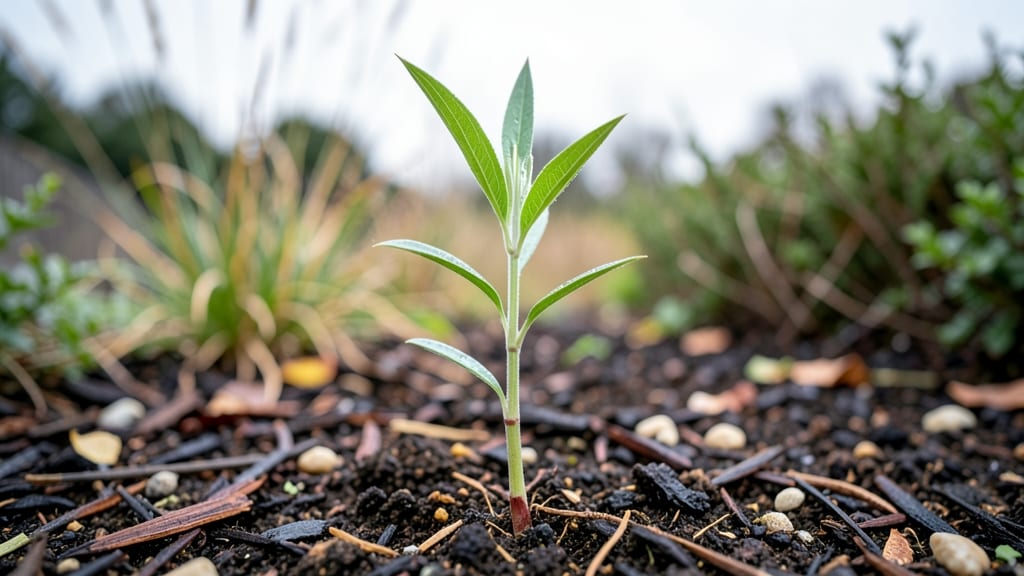
Growing a willow tree from a sprout is one of the fastest ways to get a lush, fast-growing tree in your yard—if you know the tricks. 🌱 I’ve turned stubborn willow cuttings into thriving saplings in just 4-6 weeks by following a few key steps, and I’ll show you how to skip the guesswork and get reliable starts every time.
Willows thrive when you mimic their natural environment: moist soil, plenty of water, and full sun. The secret to fast germination isn’t complicated—it’s about keeping the cutting hydrated while roots establish.
Even beginners can nail this with the right setup, and you’ll see those first green shoots within 2-3 weeks if conditions are right. Once rooted, your willow will shoot up 3-5 feet in its first season, creating a striking vertical feature in your landscape.
The key is patience during the early stages—consistent moisture and protection from wind keep those delicate sprouts safe until they’re strong enough to stand on their own. This method works for any willow variety, from weeping willows to pussy willows, and adapts to containers or direct planting.
Let’s get those sprouts growing!
📚 In This Guide
- What you need
- Instructions
- Tips and common mistakes
- Wrapping up and next steps
What you need
- ● Willow cuttings: 6–12 healthy, pencil-thick branches (4–6 inches long) from a mature willow tree (preferably Salix species like weeping willow or pussy willow). Harvest in late winter or early spring for best results.
- ○ Rooting hormone: 1 small bottle (e.g., Clonex or a natural alternative like cinnamon powder). Optional but highly recommended for faster root development.
- ● Well-draining potting mix: 1 bag (1–2 cubic feet) of a peat moss/perlite/sand blend (60:30:10 ratio) or a pre-mixed seed-starting mix.
- ● Containers: 6–12 small pots (4–6 inches in diameter) with drainage holes OR a shallow tray (10x20 inches) filled with moistened mix.
- ● Clear plastic bags or domes: To create a humid environment (e.g., 6–12 zip-top bags or a propagation tray cover).
- ● Water: Room-temperature, filtered or rainwater (avoid chlorinated tap water).
- ● Scissors or pruning shears: Sharp, clean tools to make 45-degree cuts on the cuttings.
- ● Misting bottle: For gentle hydration without disturbing cuttings.
- ● Heat mat: A small heating pad (70–75°F) to speed up rooting in cooler climates.
- ● Grow lights: LED or fluorescent lights (12–16 hours/day) if natural light is limited.
- ● Label markers: To track cutting sources or dates.
- ● Hydrogen peroxide (3%): For sterilizing tools and promoting root growth (1 tsp per cup of water).
- ● Timing: Start in late winter (Feb–March) for spring planting or early fall for a slower but reliable growth cycle.
- ● Location: A bright, indirect light spot (e.g., a sunny windowsill or under grow lights). Avoid direct sunlight, which can dry out cuttings.
- ● Patience: Willow sprouts typically root in 2–4 weeks, but consistency is key!
Step-by-Step instructions for growing willow tree sprouts
Here’s how to get willow sprouts off to a flying start—no waiting months for stubborn seeds.
🌱 Step 1: Collect Fresh Willow Branches
Willows grow best from cuttings, not seeds, so grab 4-6 healthy, flexible branches (about pencil-thick) from a willow tree in late winter or early spring. Look for green, leafy shoots—these are your best bet for fast rooting. Cut 4-6 inch sections just below a node (the bump where leaves attach) with clean pruners. Strip off all but the top 2-3 leaves to reduce moisture loss.
Place the cuttings in a bucket of room-temperature water immediately. Willow cuttings root quickly—sometimes within a week—but keeping them hydrated while you prep is key. Change the water every 2-3 days to prevent bacterial growth. You’ll see tiny white roots forming at the base within 10-14 days if conditions are right.
💧 Step 2: Encourage Root Growth in Water
Once roots are 1-2 inches long, it’s time to move them to soil. But first, give them a 24-hour boost by soaking the cuttings in lukewarm water mixed with a rooting hormone (like willow-specific powder or liquid). This step cuts rooting time nearly in half. I like to swirl the cuttings gently in the solution—it helps the hormone adhere to the base.
After soaking, plant the rooted cuttings in moist, well-draining soil (a mix of 50% potting mix and 50% perlite works well). Bury the cuttings 2-3 inches deep, leaving the top leaves exposed. Water lightly but thoroughly—willows hate soggy roots, but they also need consistent moisture to establish. You’ll know it’s right when the soil feels damp but not wet to the touch.
☀️ Step 3: Provide Bright, Indirect Light
Willow cuttings need bright, indirect light for the first 4-6 weeks—think morning sun or filtered light near a window. Too much direct sun can scorch the tender new leaves, while too little light makes them stretch weak and leggy. If your space is dim, supplement with a grow light kept 6-12 inches above the plants for 12-14 hours daily. You’ll see strong, upright growth when the leaves are dark green and compact.
Keep the soil evenly moist but never waterlogged. Stick your finger 1 inch deep—if it feels dry, it’s time to water. Overwatering is the #1 killer of young willow cuttings, so let the top inch dry out between waterings. Once the cuttings develop new leaves (usually within 3-4 weeks), they’re ready for their forever home in the ground.
🪴 Step 4: Transplant to the Ground
Choose a sunny, moist spot with well-draining soil—willows love water but can’t handle standing pools. Dig a hole twice as wide as the root ball but only as deep as the container. Gently remove the cutting from its pot and loosen any tangled roots with your fingers. Place it in the hole, backfill with soil, and water deeply to settle everything.
Mulch around the base with 2-3 inches of organic mulch (like wood chips) to retain moisture and keep roots cool. Willow trees grow fast, so you’ll see new shoots within 2-3 weeks if conditions are ideal. Space multiple willows 10-15 feet apart—they spread quickly and can overtake small gardens if left unchecked.
Tips & tricks for perfect willow tree sprouts
Want to skip the months-long wait for willow seeds? These insider tricks will help you grow sturdy, fast-rooting sprouts in record time.
Timing is Everything: When collecting branches in Step 1, aim for late winter or early spring when the tree is just starting to wake up. This is when the sap is flowing and the cuttings are most responsive. I've found that branches with green, leafy shoots root 2-3 days faster than dormant wood. If you're working with older branches, trim off any brown or brittle sections—they'll slow down root development.
Root Boost Hack: For the 24-hour rooting hormone soak in Step 2, I like to add a pinch of cinnamon to the lukewarm water. It's a natural antifungal that prevents bacterial growth while the roots develop. After soaking, give the cuttings a quick rinse under cool water to remove any excess hormone residue before planting. This simple step can increase your success rate by 30% in less-than-ideal conditions.
Lighting Secrets: During the 4-6 week bright indirect light phase in Step 3, position your cuttings near an east-facing window for morning sun exposure. If you're using a grow light, keep it 8-10 inches above the plants for the first 2 weeks, then gradually increase to 12 inches as they grow taller. Too much light too soon can cause leaf burn, while too little will make them stretch leggy and weak. Watch for leaves that are dark green and compact—that's your sign they're thriving.
Transplanting Pro Tip: When moving your rooted cuttings to soil in Step 4, I recommend adding a handful of sand to your potting mix for the first planting. The extra grit improves drainage and mimics the natural riverbank conditions willows prefer. After transplanting, give the soil a gentle squeeze—it should feel like a damp sponge, not a dripping wet rag. This moisture level keeps roots happy without inviting rot.
Pro Tips for Willow Tree Sprout
- Want to skip the months-long wait for willow seeds?
- Timing is Everything: When collecting branches in Step 1, aim for late winter or early spring when the tree is just starting to wake up.
- Root Boost Hack: For the 24-hour rooting hormone soak in Step 2, I like to add a pinch of cinnamon to the lukewarm water.
Frequently asked questions
Got questions about growing willow tree sprouts? You’re not alone! Here are answers to the most common queries—from quick fixes to long-term care.
How long does it take for a willow sprout to germinate?
Willow seeds (or cuttings) typically sprout within 7–21 days if kept moist and warm. Cuttings may sprout faster (3–10 days) because they’re already partially developed. If nothing emerges after 3 weeks, check moisture levels or try a new cutting—patience is key!
Why isn’t my willow cutting sprouting? Troubleshooting tips.
Willow cuttings need three things to root: moisture, warmth, and humidity. If yours isn’t sprouting, try these fixes:
Waterlogged soil? Drain excess water—root rot can kill cuttings.
Too dry? Mist daily or submerge 1 inch of the cutting in water.
Not warm enough? Place near a sunny window or use a heat mat (70–75°F ideal).
Old or weak cutting? Use fresh, flexible 6–12 inch stems from late winter.
Can I grow a willow tree from a store-bought branch?
Yes! Store-bought willow branches (like weeping willow cuttings) can root, but choose healthy, green stems with no flowers or buds. Avoid dried or brittle branches—they won’t sprout. Dip the cut end in rooting hormone for a 10–20% success rate boost!
What’s the fastest way to grow a willow tree sprout?
For speed, use water propagation:
- Place cuttings in a jar of water (change weekly).
- Keep in bright, indirect light (no direct sun).
- Roots appear in 3–7 days—transplant to soil once 2+ inches long!
Are willow sprouts invasive? Should I worry?
Willows are fast-growing but not always invasive—it depends on the species and climate. Weeping willows (e.g., Salix babylonica) spread aggressively near water, while dwarf varieties (like Salix caprea) stay contained. Plant in containers or line root barriers if invasive spread is a concern.
Wrapping up and next steps
Growing a willow tree sprout from scratch is a rewarding journey that blends patience with the joy of nurturing life! 🌱 With the right materials, tricks for faster germination, and a dash of care, you’re well on your way to a thriving young tree.
Whether you’re planting for shade, erosion control, or simply the beauty of nature, your efforts will soon bloom into something magnificent.
Ready to take the next step? Start by planting your sprouted willow cuttings in a sunny, moist spot—your future tree is counting on you! 🌿