
Pests and Diseases
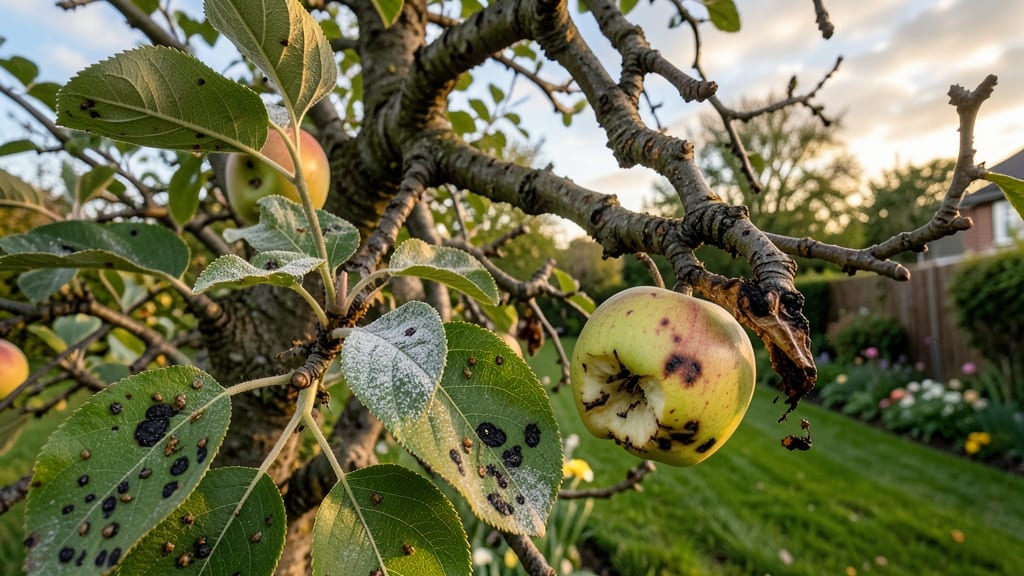
Apple tree pests and diseases turn your harvest dreams into a battle for survival. 🌳 I’ve watched my own orchard go from lush to leafless in weeks—until I learned the organic tricks that actually work, not just the quick fixes that fail by summer.
The real enemy isn’t just the pests (codling moths, apple scab, fire blight) but the cycle they create: weak trees attract more problems. Prevention starts with proper spacing, pruning for airflow, and seasonal monitoring—not just spraying when you see damage.
By summer’s end, you’ll have a tree that resists attacks naturally, with fewer spots on leaves, fewer worms in fruit, and stronger wood that won’t snap in storms. The key is timing: treat early, treat often, and treat the roots, not just the symptoms.
This works for backyard trees, commercial orchards, or even container-grown apples. Let’s stop the cycle before it starts.
Root Causes Behind Tree Struggles
Understanding why apple trees fall victim to pests and diseases starts with recognizing the environmental, biological, and human factors that create the perfect storm for trouble. These issues rarely happen in isolation—they’re often the result of weakened defenses, poor growing conditions, or unintentional human mistakes.
Let’s break down the key triggers so you can address them before they spiral out of control.
Apple trees are tough, but like any living organism, they need strong immunity to fight off invaders. When their natural defenses weaken, pests and diseases move in like uninvited guests at a buffet.
- 🔬 Nutrient Deficiencies Trees deprived of essential nutrients—like nitrogen, phosphorus, or micronutrients (zinc, iron, manganese)—struggle to produce chlorophyll, cell walls, and disease-resistant compounds.
For example, a zinc deficiency can stunt growth and make trees more susceptible to apple scab, a fungal disease that thrives on weak, slow-growing tissue.
- 💧 Water Stress (Too Much or Too Little)
- Overwatering leads to root rot (caused by fungi like Phytophthora), which suffocates roots and opens the door for codling moth larvae (they love soft, waterlogged fruit).
- Drought stress weakens the tree’s cuticle (its protective skin), making it easier for woolly aphids or powdery mildew to latch on.
- 🌡️ Extreme Temperature Shifts Sudden freeze-thaw cycles in spring can crack bark, inviting bacterial canker (Pseudomonas syringae) to infect wounds. Similarly, late spring frosts damage blossoms, reducing fruit set and leaving the tree energy-depleted—prime targets for pests like apple maggot flies.
Pests don’t just appear out of nowhere—they’re drawn to specific conditions that make your tree look like an all-you-can-eat buffet. Here’s what invites them:
- 🍎 Overripe or Damaged Fruit
- Codling moths and apple maggots lay eggs in bruised or rotting apples because the soft flesh is easy to penetrate.
- Solution: Pick up fallen fruit immediately and avoid over-thinning—too few apples = more sugar-rich, pest-magnet fruit.
- 🍂 Poor Sanitation
- Mummified apples (dried, shriveled fruit still clinging to branches) harbor fungi (Venturia inaequalis) and insect eggs over winter.
- Leaf litter near the trunk provides hiding spots for scale insects and mealybugs.
- 🌿 Dense, Unmanaged Canopy
- Shady, humid conditions (from thick foliage) create the ideal breeding ground for powdery mildew and sooty mold (a fungus that grows on honeydew secreted by pests like aphids).
- Solution: Prune for good airflow—aim for an open vase shape with branches spaced 12–18 inches apart.
Diseases don’t just strike randomly—they exploit vulnerabilities in your tree’s environment. Here’s how they get the upper hand:
- 💦 Excess Moisture on Leaves
- Apple scab (Venturia inaequalis) spores splash onto leaves during rain, especially if the tree is watered overhead (which keeps foliage damp for hours).
- Fire blight (Erwinia amylovora) spreads via rain-splashed bacteria or insects, targeting wounded tissue (like pruning cuts).
- 🌿 Host Plant Availability
- Many apple tree diseases (like cedar apple rust) require two host plants—your apple tree and a nearby cedar, juniper, or hawthorn. Removing alternate hosts can break the disease cycle.
- 🔥 Poor Air Circulation
- Powdery mildew thrives in stagnant, humid air (relative humidity >75% for prolonged periods). If your tree is crowded or overhead-irrigated, you’re basically rolling out the welcome mat.
Sometimes, well-meaning gardening practices accidentally invite disaster. Here’s how:
- 🪓 Improper Pruning
- Cutting too late in the season (after June) leaves fresh wounds vulnerable to bacterial canker.
- Leaving stubs creates entry points for pests like borers (Scolytus beetles).
- 💦 Overhead Watering
- Watering from above (instead of at the base) spreads fungal spores like apple scab and encourages leaf diseases.
- 🍄 Ignoring Early Warning Signs
- Yellowing leaves? Could be nutrient deficiency or aphids.
- Black spots on fruit? Likely apple scab—if you wait to act, it spreads exponentially.
💡 Pro Tip: The best defense is prevention. Conduct a spring and fall health check—look for weak branches, nutrient deficiencies, and pest hotspots—before problems escalate. A single ounce of prevention (like proper pruning, mulching, and sanitation) saves pounds of cure later!
How to Fix Apple Tree Troubles
Now that you’ve identified the culprits—whether they’re sneaky pests or stubborn diseases—it’s time to roll up your sleeves and restore your apple tree’s health. The good news? Many organic solutions are simple, cost-effective, and effective when applied consistently.
Below, we’ll map out practical fixes for common issues, along with prevention tips to keep your tree thriving long-term.
🍎 Codling Moth (Wormy Apples)
Fix: - 🔥 Trap & Remove: Hang pheromone traps (like Isomate CM) in early spring to disrupt mating.
Check traps weekly and replace lures as needed. - 🍳 Organic Sprays: Apply spinosad (fermentation-based) or kaolin clay (a natural barrier) every 7–10 days during peak moth activity (May–July).
Spinosad is especially effective but must be reapplied after rain. - 👨🍳 Physical Barriers: Wrap tree trunks with tree collars or fine mesh bags over fruit clusters to block egg-laying moths.
💡 Prevention Tip: Plant thyme, sage, or mint near your tree—codling moths dislike these herbs! Also, remove fallen fruit promptly to break the moth’s life cycle.
🐞 Apple Maggot Fly (Speckled Fruit)
Fix: - 🥘 Yellow Sticky Traps: Hang yellow sticky traps in June–July to catch adult flies before they lay eggs.
Place traps above the tree canopy for best results. - 🔪 Prune & Clean: Thin out overripe or damaged fruit regularly, as maggots target soft spots.
Drop infested apples into a soapy water bucket to drown larvae. - 🌡️ Soil Drenches: Mix neem oil with water and spray under the tree’s drip line to deter egg-laying. Repeat every 2 weeks.
✨ Pro Tip: Use red deluxe traps (instead of yellow) for a 90%+ reduction in maggot infestations—these mimic ripe fruit better!
🐜 Aphids & Scale Insects (Sticky Leaves & Weak Growth) Fix:
- 💦 Blast Them Off: Spray strong streams of water (from a hose) to knock off aphids, especially on new shoots and undersides of leaves.
- 🍳 Soap & Oil Sprays: Mix 1 tsp mild liquid soap + 1 tbsp horticultural oil per quart of water.
Spray early morning or late evening to avoid harming bees. Reapply every 5–7 days. - 🐛 Introduce Beneficial Insects: Release ladybugs, lacewings, or parasitic wasps (like Aphidius colemani) to devour aphids naturally.
🎯 Long-Term Defense: Plant garlic, dill, or fennel nearby—aphids hate these scents! Also, prune out heavily infested branches in dormant season to reduce hiding spots.
🍇 Apple Scab (Black Spots & Curling Leaves)
Fix: - 🔥 Copper Fungicide: Use copper spray (like Copper Soap) before bud break and again after rain.
Follow label rates—copper can build up in soil over time. - 🍳 Baking Soda Spray: Mix 1 tbsp baking soda + 1 tsp oil + 1 tsp soap per gallon of water. Spray every 7–10 days during wet seasons.
(Test on a small leaf first!) - 👨🍳 Prune & Rake: Remove infected leaves and fruit and sterilize pruners with rubbing alcohol. Rake up fallen debris to prevent spores from overwintering.
💡 Prevention Tip: Choose resistant apple varieties like ‘Liberty’ or ‘Enterprise’ if scab is a recurring issue. Also, improve airflow by thinning branches.
🍒 Fire Blight (Blackened, Oozing Branches)
Fix:
- ⏰ Prune Aggressively: Cut 6–12 inches below infected branches (fire blight can hide in buds!). Dispose of clippings in the trash—do not compost!
- 🔪 Sterilize Tools: Wipe pruners with bleach or 70% alcohol between cuts to prevent spreading bacteria.
- 🌡️ Bacterial Sprays: Apply copper fungicide or streptomycin (organic-approved) before bloom and after pruning.
🔥 Emergency Action: If fire blight hits flower clusters, prune immediately to save the tree. Do not prune during wet weather—wait for dry conditions.
- 💧 Water Deeply: 1–2 inches per week (deep watering encourages strong roots resistant to stress). - 🍎 Mulch Wisely: Use wood chips or straw (3–4 inches thick) to retain moisture and deter weeds—keep mulch 6 inches away from the trunk. - 📊 Feed Naturally: Top-dress with compost or worm castings in early spring.
Avoid synthetic fertilizers, which attract pests.
Final Reminder: Consistency is key! Most organic fixes take 2–3 seasons to fully eliminate pests/diseases. Monitor weekly, act fast at the first sign of trouble, and your apple tree will reward you with healthy growth and bountiful harvests! 🍏🌿
Frequently asked questions
How do I tell if my apple tree has codling moths vs. apple maggot flies?
Codling moths create wormy apples with holes leading to the core, while apple maggot flies cause small, shallow speckles under the skin. Check for tiny white eggs on fruit in summer—codling moth eggs are flat and yellowish, while maggot eggs are tiny and white. Both pests thrive in overripe or damaged fruit, so remove any questionable apples immediately.
Can I use the same organic spray for both fungal diseases and pests?
No—fungal diseases (like apple scab) need copper-based sprays or baking soda mixes, while pests (like aphids) respond better to neem oil or insecticidal soap. Mixing them can reduce effectiveness. For example, neem oil works on pests but won’t stop fungal growth. Always apply copper fungicides before bud break and pest sprays during active infestations (late spring/summer).
Why does my apple tree keep getting fire blight, even after pruning?
Fire blight spreads through bacterial ooze (a dark, sticky substance) that rains or insects carry to new branches. Pruning alone isn’t enough—you must sterilize tools between cuts with rubbing alcohol and remove infected wood 6–12 inches below visible damage. Also, avoid pruning during wet weather (bacteria spreads easily) and apply copper fungicide before bloom to prevent reinfection.
Are there any apple varieties that naturally resist pests and diseases?
Yes! Liberty, Enterprise, and Akane are bred for fire blight and scab resistance. For pest resistance, try ‘Golden Delicious’ (less attractive to codling moths) or ‘Honeycrisp’ (thicker skin deters maggots). Always pair resistant varieties with proper spacing (15–20 ft apart) and good airflow to maximize their natural defenses.
How often should I inspect my apple tree for early signs of trouble?
Check your tree every 7–10 days during growing season (April–September), focusing on new leaves, fruit, and branch tips. Look for yellowing leaves (aphids), black spots (scab), or oozing cankers (fire blight). Early detection is key—most organic treatments work best when applied at the first sign of pests or disease, not when symptoms are severe.