
Diseases
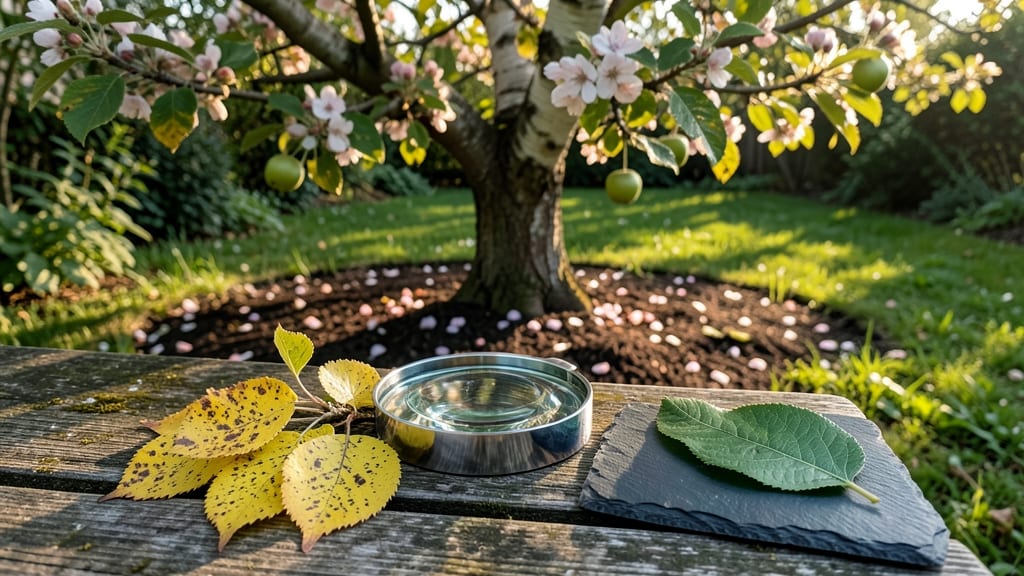
Your apple tree’s 🍎 leaves showing yellow spots could mean anything from a harmless nutrient quirk to a fungal infection that’s about to ruin your harvest.
Picture this: You’ve spent months nurturing your tree, only to wake up one morning and spot those telltale yellow patches creeping across the leaves. The panic sets in—is it too late to save your fruit? The good news?
Most issues are fixable if you catch them early, and knowing the difference between a fungal problem and a simple deficiency can mean the difference between a thriving tree and a sad, spotty mess.
In this guide, I’ll walk you through the most common causes—fungal diseases like apple scab or cedar rust, pesky mites, or even nutrient deficiencies—and how to tell them apart.
You’ll learn exactly what to look for, from spot shape to leaf texture, so you can diagnose the issue fast and take action before it spreads.
Ready to restore your tree’s health? By the end, you’ll have a clear plan to treat the problem, prevent future outbreaks, and keep your 🍎 producing sweet, blemish-free fruit for years to come.
How to diagnose apple tree leaf spots: fungal vs nutrient deficiency symptoms
Yellow spots on apple tree leaves can signal serious trouble, but not all spots mean disease. The first step is distinguishing between fungal infections and nutrient deficiencies. Both cause discoloration, but their patterns, timing, and tree behavior differ dramatically.
I’ll walk you through how to spot the differences using leaf patterns, spot shapes, and tree behavior to diagnose your tree’s issue accurately.
Fungal diseases like apple scab and cedar apple rust thrive in damp conditions, while nutrient deficiencies (especially iron or zinc) show up as yellowing between leaf veins. The key is examining the spot edges, leaf texture, and whether the problem spreads upward or stays localized.
Let’s break it down so you can act fast and save your harvest.
📌 Pro Tip: Always check the underside of leaves first—fungal spores often appear there before symptoms show on top. Grab a magnifying glass if needed; some spots are microscopic at first.
| Symptom | Apple Scab | Powdery Mildew | Cedar Apple Rust | Iron Deficiency | Nitrogen Deficiency | Zinc Deficiency |
|---|---|---|---|---|---|---|
| Spot Color | Olive-brown, velvety | White/gray powdery | Orange-yellow pustules | Pale yellow (interveinal) | Overall yellowing | Yellow with green veins |
| Spot Shape | Irregular, spreading | Powdery patches | Rust-colored spots | Between veins only | Uniform pale yellow | Small, scattered |
| Leaf Texture | Leathery, curled | Dry, brittle | Thin, distorted | Soft, flexible | Thin, weak | Small, stunted |
| Timing | Spring to summer | Late spring | Summer (after rain) | Any time (alkaline soil) | Early spring | New growth |
| Tree Behavior | Defoliation, weak growth | Stunted growth | Premature leaf drop | Slow growth, small leaves | Yellow leaves, poor fruit | Stunted shoots, rosettes |
| Key Diagnosis Tip |
Step-by-step fixes for yellow spots on apple tree leaves by causeOnce you’ve identified whether your apple tree’s yellow spots are from a fungal infection or nutrient deficiency, it’s time to act fast. Fungal diseases like apple scab or cedar apple rust spread quickly, while deficiencies like iron chlorosis or nitrogen deficiency weaken your tree’s overall health. Here’s how to tackle each issue with targeted solutions. For fungal infections, the key is to stop the spread while strengthening your tree’s defenses. Organic and chemical treatments both work, but timing and consistency matter most. If the problem is nutrient-related, soil amendments and foliar sprays can restore balance in just a few weeks. Let’s break down the steps by cause. 🌿 For Fungal Infections (Apple Scab, Cedar Apple Rust, Powdery Mildew)
🌱 For Nutrient Deficiencies (Iron, Nitrogen, Zinc, Magnesium)
If you’re dealing with a fungal infection, act within 48 hours of noticing new spots to prevent the disease from spreading to fruits or other trees. For nutrient deficiencies, results may take 4–6 weeks, so monitor your tree’s progress and retest soil if needed. Pro tip: Prevent future issues by planting disease-resistant varieties (like Liberty or Enterprise apples) and sanitizing pruning tools between cuts. A little proactive care now saves hours of cleanup later! 🍏 |